Israel's ability to "control" the region raises profound questions about understanding the political reality. The issue is not merely military power; it concerns how peoples are seen as active agents rather than mere pawns in a chess game.
This hypothesis, posed by some political circles, is a grave error. It reduces millions of people to superficial perceptions, hindering the understanding of the complex reality in which the region lives. Peoples are not just tools used in conflicts; they are key players in shaping events.
Event Details
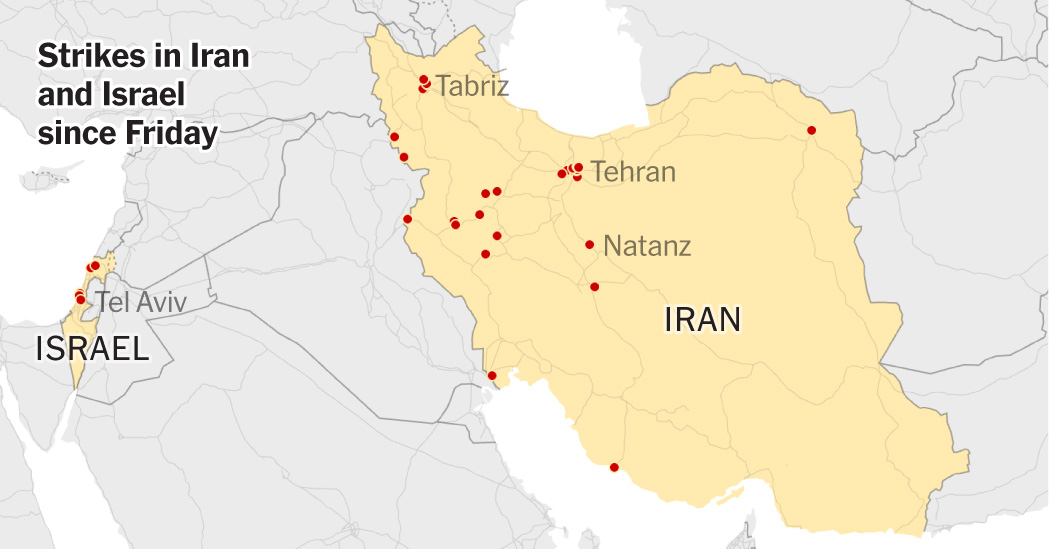
Amid increasing tensions in the region, especially following military escalations between Iran and Israel, the question arises about Israel's ability to impose its control. War is not just a military conflict; it is a struggle for influence and power in the region. Historical events have proven that military strength is not the only factor that determines the fate of nations.
Israel seeks, through its military and political strategies, to enhance its presence in the region. However, can it truly achieve this in the presence of regional powers like Iran and its allies? Answering this question requires a deep understanding of the political and social reality in the region.
Background & Context
Historically, the region has witnessed multiple conflicts, each impacting the balance of power. Since the establishment of the State of Israel in 1948, the region has been a stage for ongoing conflicts, where major powers have played a significant role in shaping events. With the rise of Iranian influence in recent years, the challenge for Israel has become greater than ever.
Today, Iran is considered one of the main regional powers seeking to expand its influence. By supporting groups like Hezbollah in Lebanon and militias in Iraq and Syria, Iran aims to create a new balance of power in the region. This makes it difficult for Israel to achieve absolute control.
Impact & Consequences
If Israel manages to enhance its control, it will significantly affect the regional balance. This could lead to increased tensions between regional powers, potentially resulting in new conflicts. Any attempt by Israel to expand its influence may provoke violent reactions from Arab and Iranian peoples.
On the other hand, if Israel fails to achieve control, it may weaken its position and strengthen its adversaries. Thus, the potential outcomes of this conflict will have far-reaching implications for the future of the region.
Regional Significance
The Arab countries involved in this conflict, such as Lebanon and Syria, find themselves in a precarious position. Increasing tensions may exacerbate humanitarian and economic crises in these countries. Furthermore, any military escalation could impact the stability of the entire region, negatively affecting the lives of millions.
Ultimately, Israel's ability to control the region after the Iran war is not merely a military issue; it is a matter that requires a deeper understanding of the social and political reality. Peoples are not just pawns; they are key players in shaping events, and this must be taken into account when considering the future of the region.