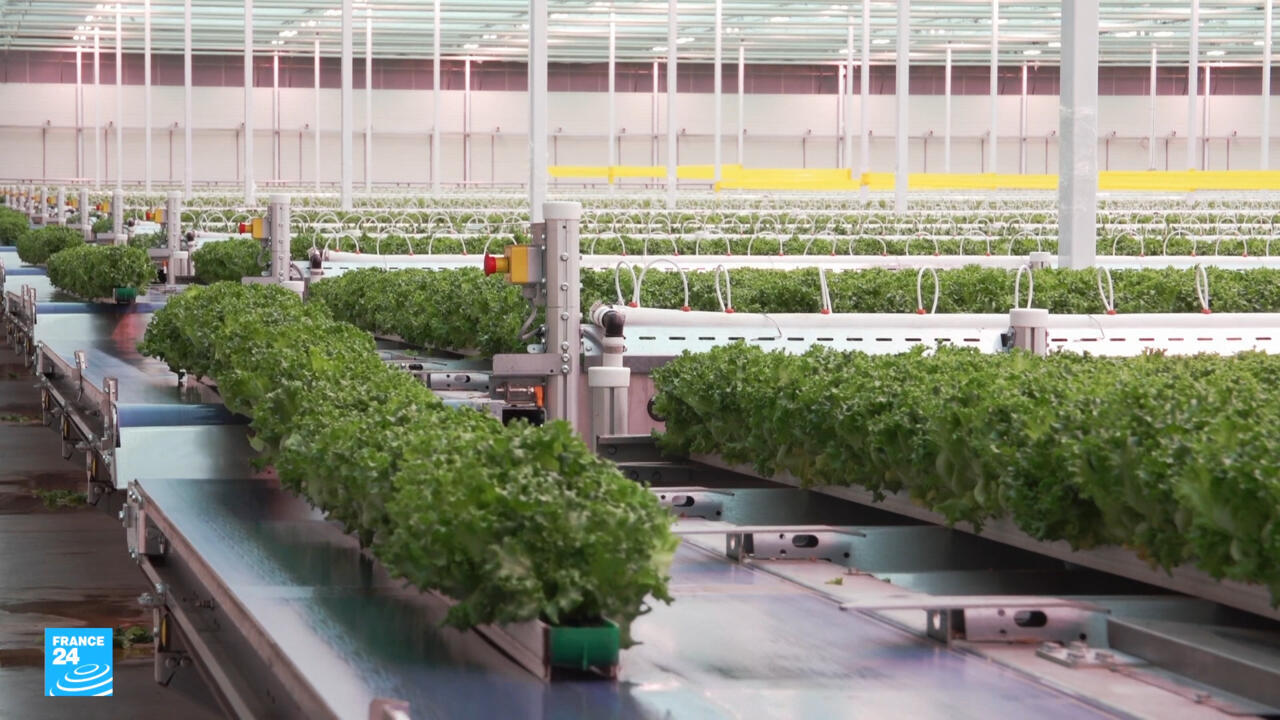
Canada is turning to smart agriculture as a key strategy to face increasing trade challenges with the United States, particularly under the previous administration of President Donald Trump. The country aims to boost its agricultural production through innovations in greenhouse farming, allowing for more efficient and cost-effective crop production.
In Ontario, which is considered the hub of agricultural research and innovation in Canada, tomatoes and cucumbers are grown away from harsh weather fluctuations. This modern agricultural model provides an ideal environment for plants, contributing to increased productivity and reduced waste.
Event Details
Canada is increasingly investing in artificial intelligence technologies, aiming to decrease reliance on imports, especially from the United States. By optimizing agricultural processes, Canada hopes to produce crops faster and at lower costs, enhancing its competitiveness in the global market.
Greenhouse farming is viewed as an innovative solution to climate challenges, as it allows for better control of environmental conditions, thereby improving crop quality. This strategy reflects Canada's commitment to sustainability and innovation in the agricultural sector.
Background & Context
Historically, Canada has heavily relied on agricultural imports, but with escalating trade tensions with the United States, it has become essential to develop new strategies to enhance local production. The trade war between the two countries has led to increased tariffs on numerous products, prompting Canada to seek innovative solutions.
Smart agriculture is not merely a reaction to current challenges but a forward-looking vision aimed at improving food security in Canada. By investing in technology, Canada seeks to achieve greater independence in food production.
Impact & Consequences
If Canada successfully implements its new agricultural strategy, it could lead to a reduction in import dependency, thereby strengthening the local economy. This move may also contribute to the creation of new job opportunities in the agricultural sector, fostering economic growth in the country.
Moreover, this strategy could have a positive environmental impact, as greenhouse farming can reduce the use of pesticides and chemical fertilizers, contributing to biodiversity conservation.
Regional Significance
Canada's experience in smart agriculture serves as a model for many Arab countries facing similar food security challenges. Arab nations can benefit from these innovations to improve their agricultural production and reduce import reliance.
Additionally, collaboration between Canada and Arab countries in the field of smart agriculture could open new avenues for trade and technical exchange, enhancing economic relations between the two sides.
In conclusion, smart agriculture in Canada represents a significant step towards achieving sustainability and food security, reflecting the global trend towards innovation in addressing economic and climate challenges.