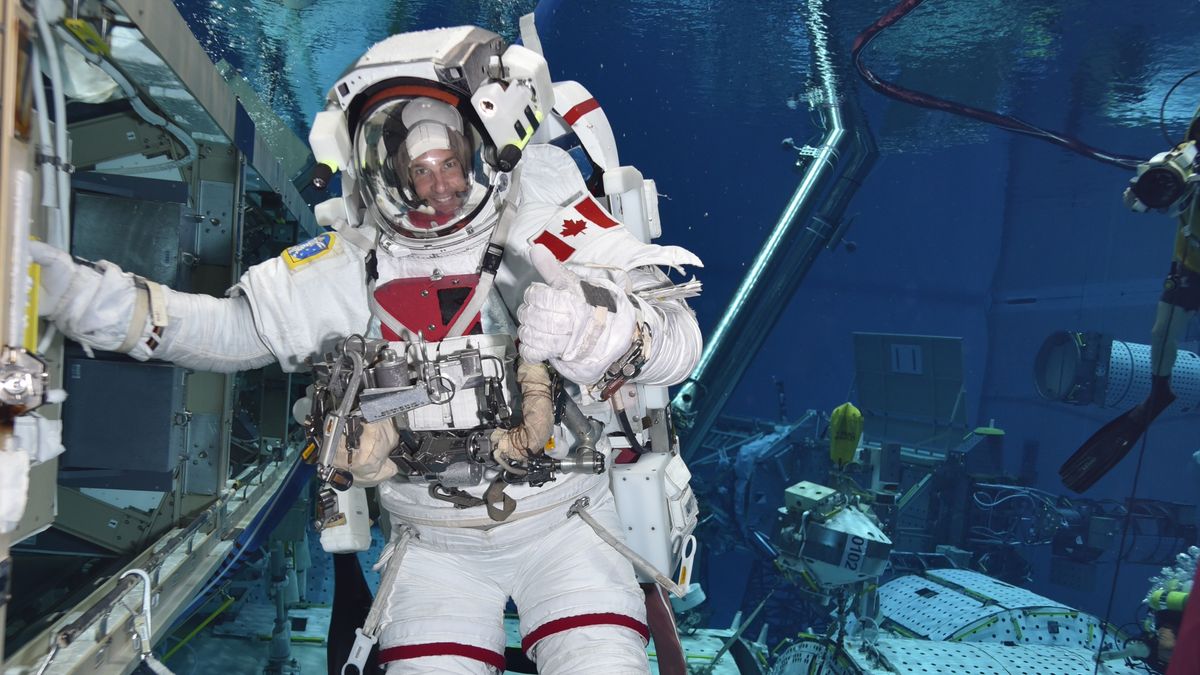
Canada has announced its plans to send its first Canadian astronaut to the moon, a move that is considered a historic achievement for the country in the field of space exploration. This mission is part of a joint collaboration with the United States, expected to enhance the partnership between the two nations in space and technology. However, this step comes at a time when the world is witnessing increasing tensions between Canada and the United States, raising questions about the impact on future cooperation.
This mission is part of the American space agency NASA's "Artemis" program, which aims to return humans to the moon by 2024. Canada will participate in this mission by sending a Canadian astronaut, reflecting its commitment to enhancing its capabilities in space. The name of the Canadian astronaut is expected to be announced later this year.
Details of the Event
This move comes at a sensitive time, as relations between Canada and the United States have noticeably deteriorated in recent years. Despite the historical cooperation between the two countries, trade and political issues have led to increasing tensions. Nevertheless, sending a Canadian astronaut to the moon is seen as an opportunity to strengthen cooperation in space, where this mission could contribute to improving bilateral relations.
Through this step, Canada demonstrates its commitment to enhancing its role in space, having invested significantly in developing space technologies and scientific research. This achievement is viewed as a step towards fulfilling Canada's goals in space exploration and reinforces its position as a leading nation in this field.
Background & Context
Historically, Canada has been a key partner in many international space projects, including the International Space Station program. Over the years, Canada has contributed to the development of space technologies, such as the robotic arm "Canadarm" used on the International Space Station. However, the current tensions between Canada and the United States cast a shadow over this cooperation, making this mission even more significant.
The relationship between Canada and the United States is complex, intertwined with various economic and political issues. In recent years, the relationship has faced challenges related to trade, immigration, and security. However, cooperation in space is seen as an area that could help improve relations between the two countries.
Impact & Consequences
This mission is considered a strategic step for Canada, showcasing its commitment to enhancing its capabilities in space. This move could strengthen relations with the United States, as cooperation in space is one of the areas that can foster trust between the two nations. Additionally, this mission could stimulate investments in the Canadian space sector, bolstering the local economy.
Furthermore, the success of this mission could enhance Canada's standing on the international stage, demonstrating its ability to participate in major space projects. This is important amid the increasing competition among countries in space, as many nations strive to enhance their capabilities in this field.
Regional Significance
Although this event pertains to Canada and the United States, it has potential implications for the Arab region. Space exploration is an important field for many Arab countries, with some nations like the United Arab Emirates seeking to enhance their capabilities in this area. Canada's experience in sending an astronaut to the moon could serve as a model for Arab countries aiming to develop their space programs.
In conclusion, sending Canada's first astronaut to the moon is a significant step that enhances its position in the field of space at a time when the world faces political and economic challenges. This move highlights the importance of international cooperation in space and fosters hope for achieving new accomplishments in the future.