Major central banks are entering a phase of heightened vigilance this week in a complex economic environment where geopolitical shocks intersect with inflationary pressures, placing the global economy in a potential "stagflation" scenario. These conditions require policymakers to take cautious steps to address the growing challenges.
Energy markets are experiencing increasing disruptions due to tensions in the Gulf region, where countries are exchanging political messages via social media, exacerbating the uncertainty. These factors make it difficult for central banks to make effective decisions, as they must rely on multiple scenarios instead of traditional forecasts.
Event Details
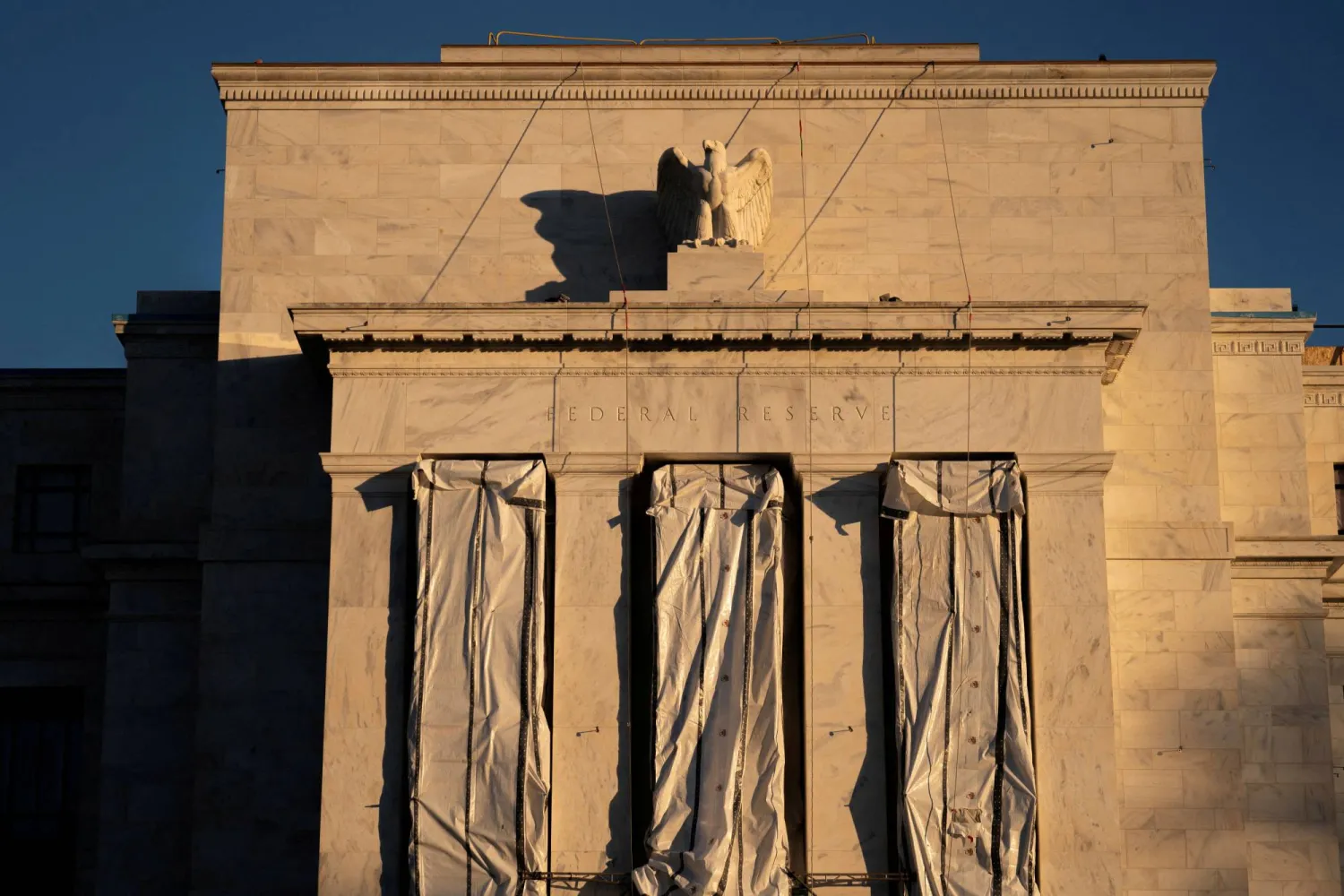
In the United States, the Federal Reserve is leaning towards stabilizing interest rates while adopting a cautious tone that leans towards tightening. This move comes in an attempt to avoid repeating past mistakes that characterized inflation as "transitory," especially with ongoing energy shocks affecting the economy.
In Europe, the European Central Bank is taking a wait-and-see approach amid fears of slowing economic growth, while the Bank of England is adopting a wait-and-see strategy to assess the impact of recent economic data before making any new decisions. These strategies reflect the prevailing anxiety among policymakers on the European continent.
Background & Context
Historically, central banks around the world have faced similar challenges, where economic crises required swift and effective responses. However, the current situation is marked by greater complexity due to the intertwining of geopolitical factors with economic pressures, making it difficult to predict growth trajectories.
Emerging markets are particularly affected by these challenges, as their economies become increasingly sensitive to fluctuations in energy prices and currency volatility. These factors necessitate that monetary policies be flexible and adaptable to changing conditions.
Impact & Consequences
These dynamics are impacting the global economy as a whole, potentially leading to an economic recession accompanied by inflation, known as stagflation. This scenario threatens economic stability and increases pressures on households and businesses.
Under these circumstances, governments and central banks must work together to develop effective strategies to address the challenges. These strategies may include enhancing international cooperation and information sharing to improve market forecasting capabilities.
Regional Significance
The Arab region is also facing the repercussions of these conditions, as many countries rely on oil and gas exports. Any fluctuations in energy prices can significantly impact their economies, necessitating proactive measures to mitigate the effects.
Furthermore, the uncertainty in global markets may affect foreign investments in the region, requiring governments to enhance the business environment to attract investments.
In conclusion, the current situation requires central banks and governments to take cautious and coordinated steps to address the increasing economic challenges, with a focus on long-term strategies to ensure stability and sustainable growth.