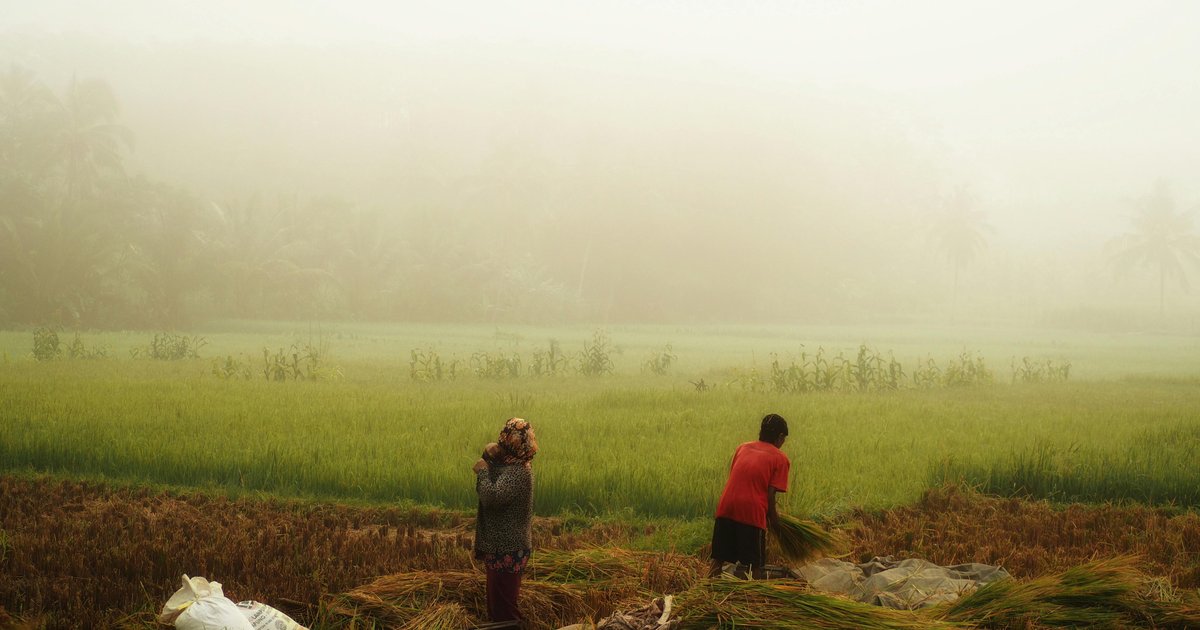
Indonesian farmers in many villages are facing increasing economic challenges, as their daily lives depend on a variety of agricultural crops. Amidst fluctuations in crop prices such as coffee and cocoa, farmers find themselves in a precarious position, especially when prices drop or when replanting palm trees requires waiting several years for them to produce again.
These challenges demonstrate that the issues faced by farmers are not only technical but also relate to the design of the household economy, which needs planning to meet their needs between production seasons. Studies on replanting palm trees have indicated that the loss of income during non-production periods is a fragile financial issue that affects agricultural sustainability.
Event Details
Agricultural communities in Indonesia are significantly affected by market fluctuations, as many rely on specific crops to meet their daily needs. When coffee or cocoa prices drop, or when farmers must wait several years for palm trees to bear fruit, farming families enter a phase of economic vulnerability.
This situation serves as evidence of the need to rethink agricultural strategies, as farmers must adopt new methods such as intercropping, which allows them to grow multiple crops simultaneously. This approach not only helps improve daily cash flows but also reduces the risks of agricultural failure.
Background & Context
Historically, Indonesia has been one of the largest producers of coffee and cocoa in the world, making agriculture a fundamental part of the local economy. However, climate change and global market fluctuations have significantly impacted this industry. In recent years, crop prices have experienced sharp fluctuations, increasing pressure on farmers.
Intercropping, which dates back to traditional practices, is a potential solution to address these challenges. By planting multiple crops, farmers can improve soil quality and enhance biodiversity, contributing to long-term agricultural sustainability.
Impact & Consequences
These challenges directly affect food and economic security in Indonesia. When farmers face financial pressures, it impacts their ability to invest in improving productivity or even meeting their families' basic needs. This situation can lead to increased poverty in rural areas, negatively reflecting on overall economic development.
Moreover, climate change plays a significant role in exacerbating these issues. As climate change intensifies, farmers face new challenges related to irrigation, water availability, and soil health, necessitating new adaptation strategies.
Regional Significance
These issues are particularly relevant to the Arab region, where many countries face similar challenges related to food security and climate change. Lessons learned from the Indonesian experience can be beneficial for Arab countries in developing sustainable agricultural strategies. By adopting diverse agricultural practices, Arab nations can enhance food security and reduce reliance on monoculture crops.
In conclusion, the current situation in Indonesia, as in many other countries, requires a rethinking of agricultural strategies. By promoting agricultural diversity and adopting sustainable methods, farmers can better face economic and climate challenges.