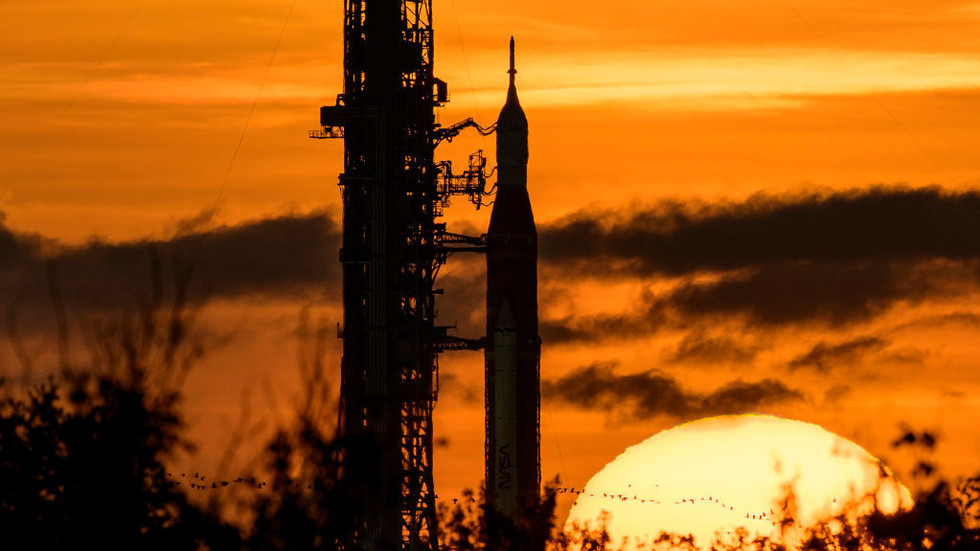
NASA, the United States space agency, launched a new mission to explore the moon on Wednesday, aiming to achieve new milestones in space. At the same time, China is intensifying its development of its space program, reflecting the growing competition between the two superpowers in the realm of space.
NASA's latest mission involves a lunar journey aimed at gathering new data about the moon's surface as part of its ongoing efforts in space exploration. Meanwhile, China is focusing on ambitious goals that include sending astronauts to the moon, demonstrating its strong commitment to enhancing its capabilities in this field.
Details of the Mission
Through its new mission, NASA seeks to explore undiscovered areas on the moon's surface, aiming to collect information about the moon's geological composition. This mission is part of the Artemis program, which aims to return humans to the moon by 2024. In contrast, China has announced plans to send astronauts to the moon by 2030, reflecting its increasing ambitions in space.
Chinese activities also include the development of new spacecraft capable of landing on the moon's surface, in addition to sending unmanned vehicles to explore lunar regions. These steps indicate that China is taking the competition in space seriously and is striving to become a leader in this field.
Background & Context
The history of space exploration dates back to the mid-20th century when major nations began exploring space. The United States was the first country to send a human to the moon in 1969, and since then, competition in space has seen significant developments. In recent years, China has increased its investments in its space program, making it one of the major powers in this domain.
Space programs are considered part of national strategies, as each country seeks to enhance its position on the international stage by achieving accomplishments in space. China, in particular, aims to bolster its image as a superpower through achievements in the field of space.
Impact & Consequences
The competition in space goes beyond a mere technological race, carrying political and economic implications. Advances in space can affect international relations, as countries seek to secure their interests by enhancing their capabilities in this field. Furthermore, progress in space can open new avenues for cooperation among nations, but it can also lead to new tensions.
In light of this competition, Arab countries need to consider how to benefit from developments in space. There may be opportunities for collaboration with major powers in this field, which could enhance the capabilities of Arab nations in space exploration.
Regional Significance
Some Arab countries are seeking to enhance their space programs, having begun to invest more resources in this field in recent years. For instance, the United Arab Emirates launched the Hope Probe to explore Mars, reflecting Arab ambitions in space. There is also a growing interest among Arab nations in enhancing cooperation in space, which could lead to the development of joint space programs.
The competition between the United States and China in space may open new horizons for Arab countries, allowing them to benefit from technological advancements and international cooperation in this field. Strengthening space capabilities can contribute to achieving sustainable development in the region.