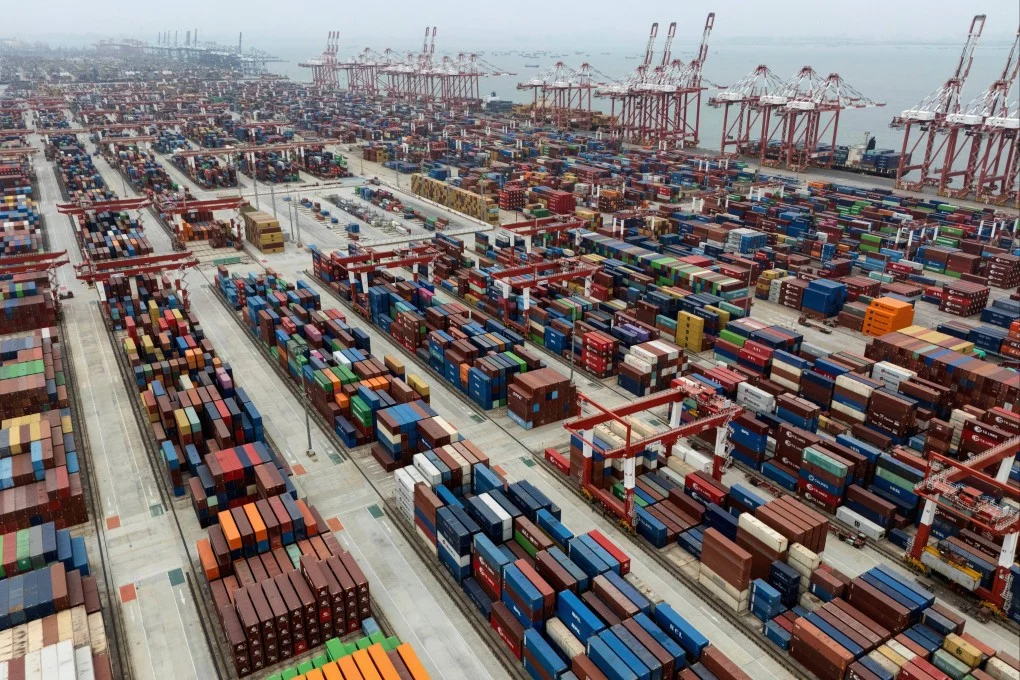
On Friday, China refuted allegations that it has intensified inspections on ships flying the Panamanian flag, in retaliation for the Panamanian government's decision to withdraw privileges from a Hong Kong group managing ports at both ends of the Panama Canal. This statement was made during the daily press conference held by the spokesperson for the Chinese Foreign Ministry, Lin Jian, who accused the United States of trying to dominate this strategic waterway.
Lin Jian clarified that the U.S. accusations regarding increased inspections are false and repetitive, emphasizing that China follows the legal procedures in inspecting ships, and these procedures do not target any specific country.
Details of the Incident
These remarks come at a sensitive time as tensions between China and the United States are escalating. The Panamanian government had decided to revoke privileges from a Hong Kong group, which provoked strong reactions from Beijing. China viewed this decision as interference in its internal affairs, prompting it to deny any intention of retaliation against Panama.
In this context, Lin Jian pointed out that the inspections conducted on ships are not new and are part of the routine procedures that China follows to ensure maritime safety. He also affirmed that China is committed to maintaining freedom of navigation in the canal.
Background & Context
The Panama Canal is considered one of the most important waterways in the world, linking the Atlantic and Pacific Oceans. Opened in 1914, the canal has played a vital role in global trade. In recent years, the management of the canal has undergone significant changes, with control being transferred from the United States to Panama in 1999.
China seeks to enhance its presence in the region through investments in infrastructure and ports, raising concerns in the United States that Beijing may aim to dominate this strategic canal. These fears intensified after Panama announced the withdrawal of privileges from the Hong Kong group, which China regarded as an unfriendly move.
Impact & Consequences
These developments could escalate tensions between China and the United States, as both countries strive to enhance their influence in the region. Control over the Panama Canal is vital for the United States, as many American companies rely on this canal to reduce shipping times and costs.
Furthermore, these developments may affect trade relations between China and Latin American countries, as Beijing aims to expand its influence in these markets. This could have significant implications for the global economy, especially amid the increasing competition between the two superpowers.
Regional Significance
For the Arab region, these events highlight the importance of strategic canals and waterways in global trade. Additionally, the tensions between China and the United States could impact oil prices and commodity prices, which may reflect on Arab economies that rely on oil exports.
Moreover, Arab countries may seek to strengthen their relations with China as part of their economic development strategies, especially in light of the Belt and Road Initiative, through which Beijing aims to enhance trade links with developing countries.