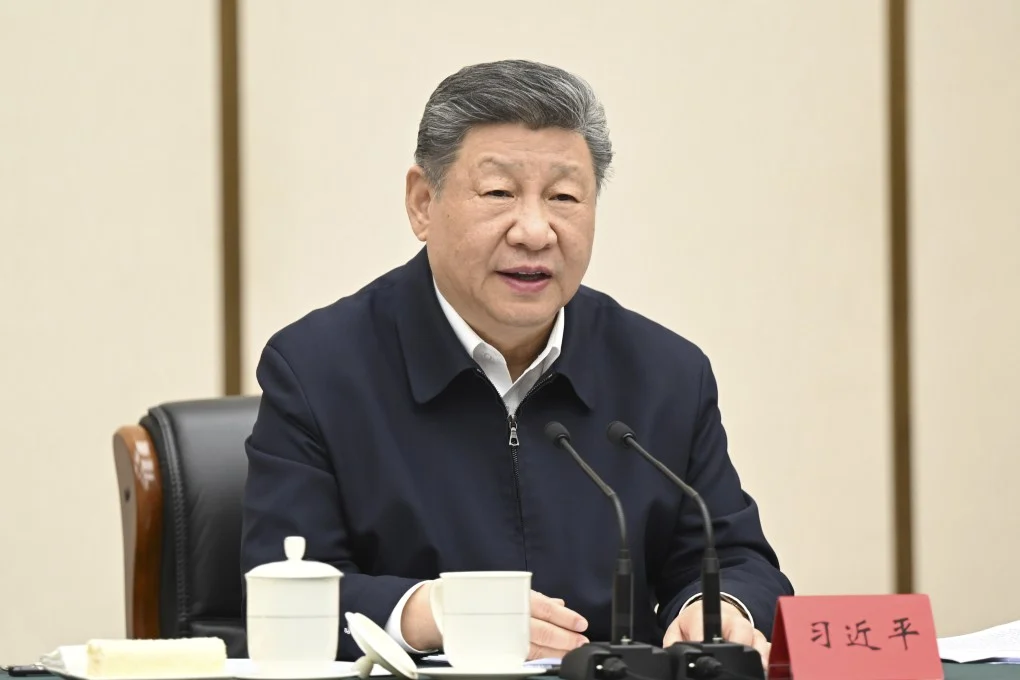
In a move reflecting China's new direction towards enhancing economic growth, President Xi Jinping highlighted the significance of the services sector as a key element in the country's future strategy. This was stated during a two-day conference where he stressed the need to focus on developing this sector through demand-driven and technology-based strategies.
Xi pointed out that "development must be demand-driven, with necessary reforms to enhance technology's capacity to support this growth." These remarks come at a critical time for China, as the government seeks solutions to the economic challenges it faces, including slowing growth and rising unemployment rates.
Key Details on the Services Sector
During the conference, several key topics were addressed regarding the enhancement of the services sector, including the importance of technological innovation and its role in improving the quality of services provided. There was also an emphasis on the need to improve the business environment to attract both foreign and domestic investments. The conference was attended by several senior officials from the Chinese government and representatives from the private sector, reflecting the importance of this sector in the national growth strategy.
Discussions also focused on how to leverage modern technologies, such as artificial intelligence and big data, to improve service efficiency and increase its capacity to meet market needs. Participants considered these steps essential to tackle the current economic challenges.
Background & Context
Historically, the services sector in China has witnessed significant growth, contributing to the transformation of the economy from reliance on heavy industry to a more diversified economy. However, challenges that have emerged in recent years, such as the trade war with the United States, have led to an urgent need to rethink growth strategies.
In recent years, China has undergone a significant shift towards a digital economy, making it essential to enhance the services sector as part of this transformation. This shift aligns with the Chinese government's vision for achieving sustainable development and improving the living standards of its citizens.
Impact & Consequences
This step is seen as a sign of China's strategic direction towards promoting sustainable growth. This strategy is expected to create new job opportunities and improve living standards, contributing to enhanced social stability.
Moreover, the focus on the services sector may lead to increased investments in this area, strengthening China's ability to compete in global markets. This direction could also improve trade relations with other countries, as enhancing the services sector can open new avenues for economic cooperation.
Regional Significance
This strategy is a vital step towards achieving sustainable economic growth in China, which has implications for the global economy. The emphasis on the services sector not only aims to boost domestic economic performance but also positions China as a more competitive player on the international stage.
In conclusion, the renewed focus on the services sector reflects China's commitment to adapting its economic strategies to meet current challenges and leverage opportunities for growth in a rapidly changing global environment.