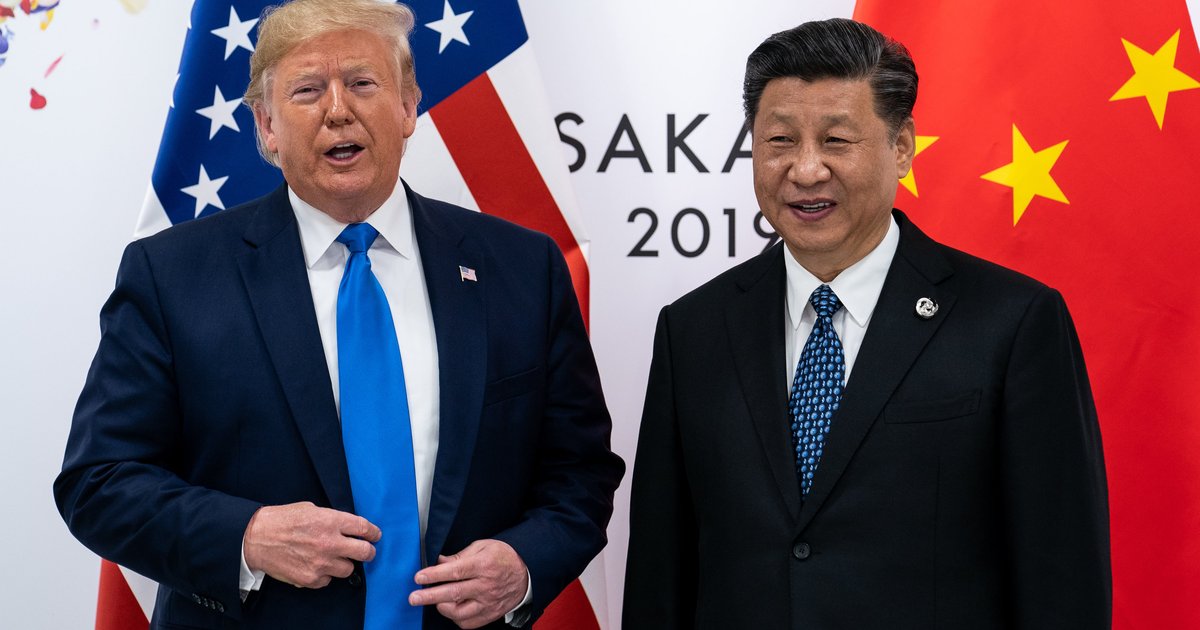
In a controversial move, China has confirmed that it is working to expand its economic pressure tools, despite the trade truce reached with the administration of former U.S. President Donald Trump. These developments come at a time when relations between China and the United States are experiencing increasing tensions, raising concerns about the future of global trade.
Beijing aims to enhance its economic power by developing new strategies, including expanding the scope of economic and trade sanctions. These steps are part of China's efforts to safeguard its economic interests and strengthen its influence in global markets.
Details of the Event
Reports indicate that China has already begun implementing measures aimed at increasing pressure on foreign companies, including imposing restrictions on imports from certain countries. These measures come at a sensitive time, as attention turns to how they will affect trade relations between China and the United States.
In addition, China is working to strengthen its economic partnerships with other countries, reflecting its strategy to counter Western pressures. Experts suggest that these steps could lead to significant changes in global trade dynamics.
Background & Context
Historically, U.S.-China relations have experienced numerous fluctuations, with periods of cooperation and others of tension. Since Trump took office, a trade war has erupted between the two countries, resulting in reciprocal tariffs on goods. However, the recent truce indicates a desire from both parties to avoid escalating the conflict.
In recent years, China has become a key player in the global economy, seeking to enhance its power through innovation and technology. This new dynamic may affect how other countries engage with China in the future.
Impact & Consequences
These steps are expected to impact global companies, as they may face new challenges in the Chinese market. Additionally, these measures could lead to increased tensions between China and the United States, potentially affecting global economic stability.
Analysts emphasize that these new dynamics could reshape global supply chains, as companies may seek to reduce their reliance on the Chinese market. This shift could create new opportunities in other markets, but it may also pose significant challenges.
Regional Significance
For Arab countries, these developments could lead to changes in economic relations with China. China is an important trading partner for many Arab nations, importing oil, gas, and other goods. Therefore, any changes in Chinese economic policy could impact these relationships.
Moreover, Arab nations may seek to strengthen their partnerships with China in areas such as technology and infrastructure, reflecting the importance of these relations in the context of global economic challenges.
In conclusion, U.S.-China relations remain uncertain, as Beijing seeks to bolster its economic power despite challenges. These new dynamics may affect the global economy, including Arab countries that rely on trade with China.