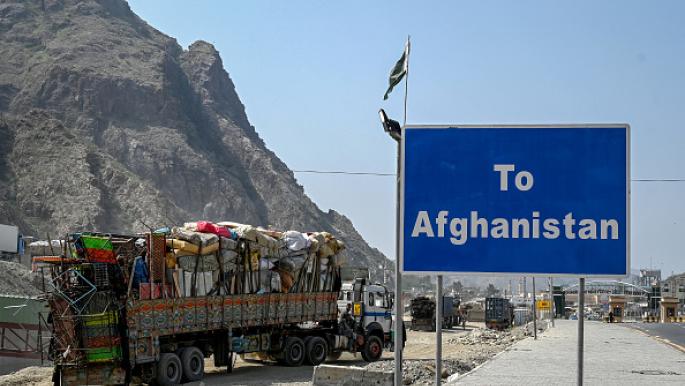
China is hosting a new round of negotiations between Afghanistan and Pakistan amid escalating border skirmishes between the two countries. The aim of these negotiations is to find solutions to the ongoing conflict between the neighbors.
This step comes at a sensitive time, as the Afghan-Pakistani border has witnessed increasing tensions, reflecting the security and political challenges faced by both nations. Diplomatic sources have confirmed that the negotiations will bring together representatives from both the Afghan and Pakistani governments, along with Chinese mediators.
Details of the Event
Through hosting these negotiations, China seeks to enhance its role as a regional mediator, hoping to achieve stability in the surrounding area. The talks are expected to address multiple issues, including border demarcation, security cooperation, and ways to enhance economic relations between the two countries.
This dialogue comes at a time when the world is increasingly interested in developments in Afghanistan following the Taliban's takeover of power. This control has exacerbated humanitarian and economic crises, increasing the importance of dialogue between Kabul and Islamabad.
Background & Context
Historically, relations between Afghanistan and Pakistan have been tense, with the border between the two countries witnessing numerous skirmishes and disputes. Part of this tension stems from issues related to borders drawn during the colonial era, in addition to each side supporting armed groups on the other side.
In recent years, these tensions have significantly increased, especially after the withdrawal of American forces from Afghanistan. This has led to a rise in military activities along the border, making it essential to seek diplomatic solutions.
Impact & Consequences
If the Chinese negotiations succeed in making progress, they could help alleviate tensions between Afghanistan and Pakistan, potentially leading to greater stability in the region. This stability could positively reflect on the economic and social conditions in both countries.
Moreover, the success of these negotiations could enhance China's role as a key mediator in resolving regional conflicts, potentially opening new avenues for cooperation with other countries in the region.
Regional Significance
The situations in Afghanistan and Pakistan are of particular importance to the Arab region, as developments there can affect regional security. Additionally, the stability of these countries could contribute to enhancing economic cooperation between Arab and Asian nations.
Given the challenges facing the Arab region, any progress in resolving regional conflicts could serve as a model for peace and stability efforts in other areas.