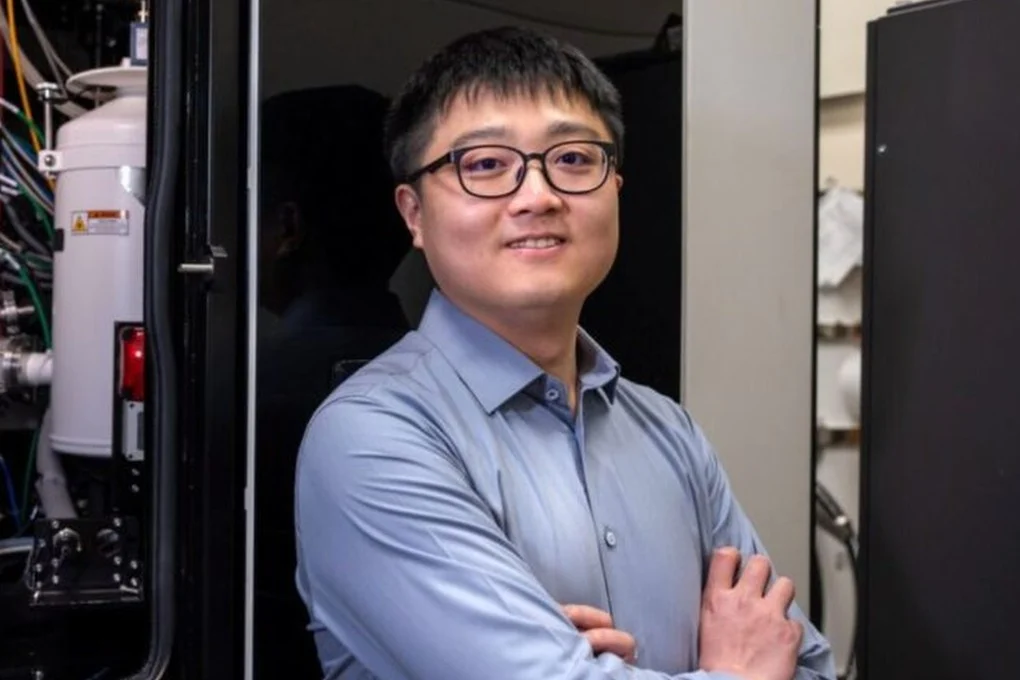
The Chinese embassy in the United States confirmed the death of semiconductor researcher Wang Danhao, who died at the University of Michigan last month, shortly after being questioned by U.S. federal authorities. This incident has raised numerous questions regarding the circumstances of his death and its impact on the relations between China and the United States, especially amid the current tensions between the two countries.
Wang Danhao was known for his significant contributions to the field of semiconductors, where he was working on developing new technologies in this vital area. His sudden death comes at a sensitive time, as pressures on Chinese scientists and researchers in the United States are increasing, raising concerns about the freedom of scientific research in the country.
Mysterious Circumstances of the Incident
Wang Danhao died under mysterious circumstances, having been questioned by federal authorities shortly before his death. Details of the questioning or the reasons that led to his death have not been disclosed, adding to the ambiguity surrounding this case. The Chinese embassy confirmed the news but did not provide further details regarding the circumstances of his death.
The death of Wang Danhao is one of many incidents that highlight the challenges faced by Chinese researchers in the United States. In recent years, many Chinese scientists have been targeted by U.S. authorities due to national security concerns, creating an environment of anxiety and fear among researchers.
Background & Context
This incident occurs against the backdrop of escalating tensions between the United States and China, particularly in the fields of technology and scientific research. Since the onset of the trade war between the two countries, their relationship has deteriorated significantly, with the United States taking stringent measures against Chinese companies, affecting scientific cooperation between the two nations.
In recent years, numerous actions have been taken by the U.S. government against Chinese scientists, leading to heightened concerns about the freedom of scientific research. This incident may exacerbate these fears, potentially impacting the ability of Chinese scientists to work in the United States.
Impact & Consequences
The death of Wang Danhao raises many questions about the future of scientific cooperation between the United States and China. This incident could lead to increased tensions between the two countries, negatively affecting scientific research and academic collaboration. It may also result in stricter restrictions on Chinese scientists in the United States, hindering progress in vital research areas such as technology and medicine.
Furthermore, this incident may heighten concerns among Chinese scientists and researchers abroad, prompting them to think twice before deciding to relocate to the United States for work. This could impact innovation and scientific advancement in the United States, as much scientific research relies on international collaboration.
Regional Significance
While this incident may seem distant from the Arab region, its impact could extend to Arab countries seeking to enhance scientific and technological cooperation with China. In recent years, relations between Arab nations and China have seen significant growth, as many Arab countries aim to benefit from Chinese technology in areas such as energy and infrastructure.
If tensions between the United States and China continue, it could affect Arab countries' ability to collaborate with China in technology and scientific research. It is essential for Arab nations to monitor these developments and be prepared to adapt to changes in the international environment.