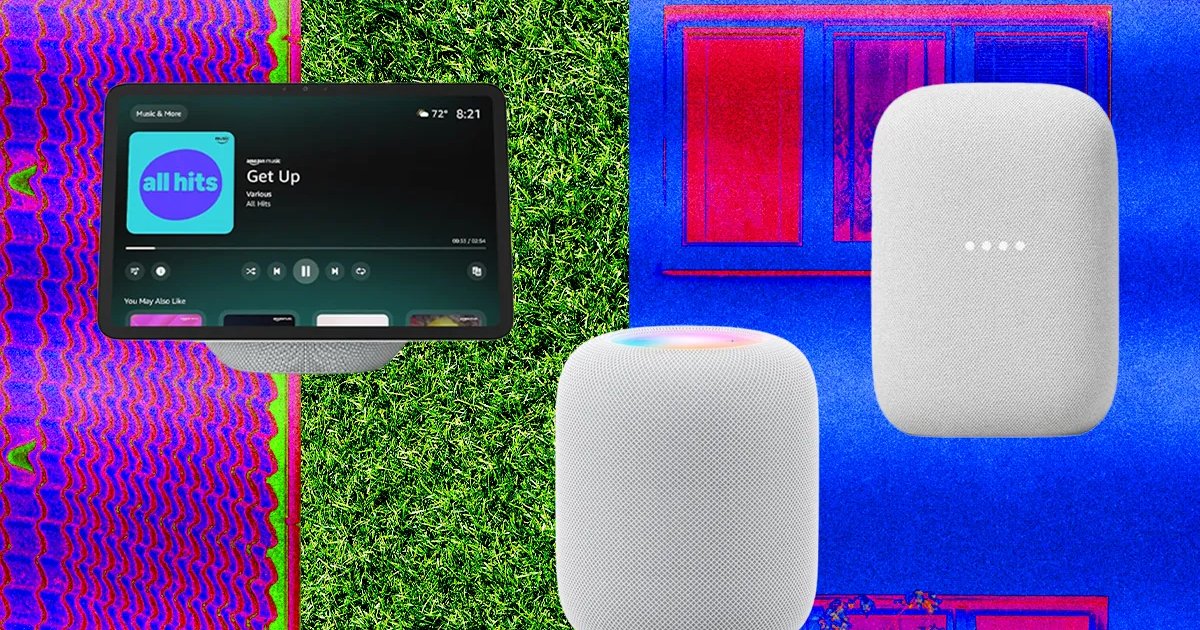
The spotlight is on smart homes, where having a voice assistant has become essential for operating these systems. The smart assistant, often integrated into a smart speaker, allows users to control their homes through voice commands and execute daily routines. It also acts as a hub for every device you wish to add to your home, from controlling the smart garage to voice commands for opening curtains.
But which assistant should you choose? Each of the major companies offers advantages and disadvantages, but it's best to select the assistant based on what you already use in your daily life. If you own a smartphone from Apple or Google, getting started will be easier. On the other hand, if you subscribe to Amazon services, it may be better to consider Alexa options.
Event Details
The journey of smart assistants began with Alexa, as the first Amazon Echo speakers were launched in 2012, making it easy to control smart lights and check the weather without the need for special installations or high costs. Today, Amazon still holds the largest array of options, offering 11 main models of speakers and displays, along with older versions of these devices.
Amazon's speakers are known for their ease of use, making them a great starting point if voice control is your priority. Alexa can create different profiles for family members, making it easier for everyone to control devices. However, there are concerns about privacy and data collection, especially regarding the Ring cameras owned by Amazon.
Background & Context
Apple is a leading company in this field, offering Siri as a voice assistant for iPhone users. Apple devices come with the Home app, which facilitates control over smart devices. However, the HomePod speakers have not gained much popularity, as many prefer using Amazon or Google systems.
Conversely, Google provides an easy system for Android users, allowing them to use the assistant built into their phones. Google speakers feature a sleek design and seamless integration with Nest devices, making them an attractive option for many users.
Impact & Consequences
The game changed with the emergence of the Matter standard, which allows smart devices to be compatible with each other without the need for multiple applications. This means you can set up your device using the app that connects to your smart home hub, such as the Alexa app or Apple's Home app.
However, using Matter may lock users into a specific smart system, making it difficult to switch between different systems. Despite this, having a separate app for each device may unlock additional features, such as specific lighting options or energy monitoring in smart plugs.
Regional Significance
The popularity of smart homes is increasing in the Arab world, as many seek to adopt modern technology. These systems can contribute to improving quality of life and saving time and effort. As smartphone usage rises, it becomes easier for Arab users to choose systems that meet their needs.
In conclusion, selecting the most suitable smart assistant for your home is an important step that requires considering the devices you already use and their compatibility with available systems. With the growing options, users can leverage technology to enhance their daily lives.