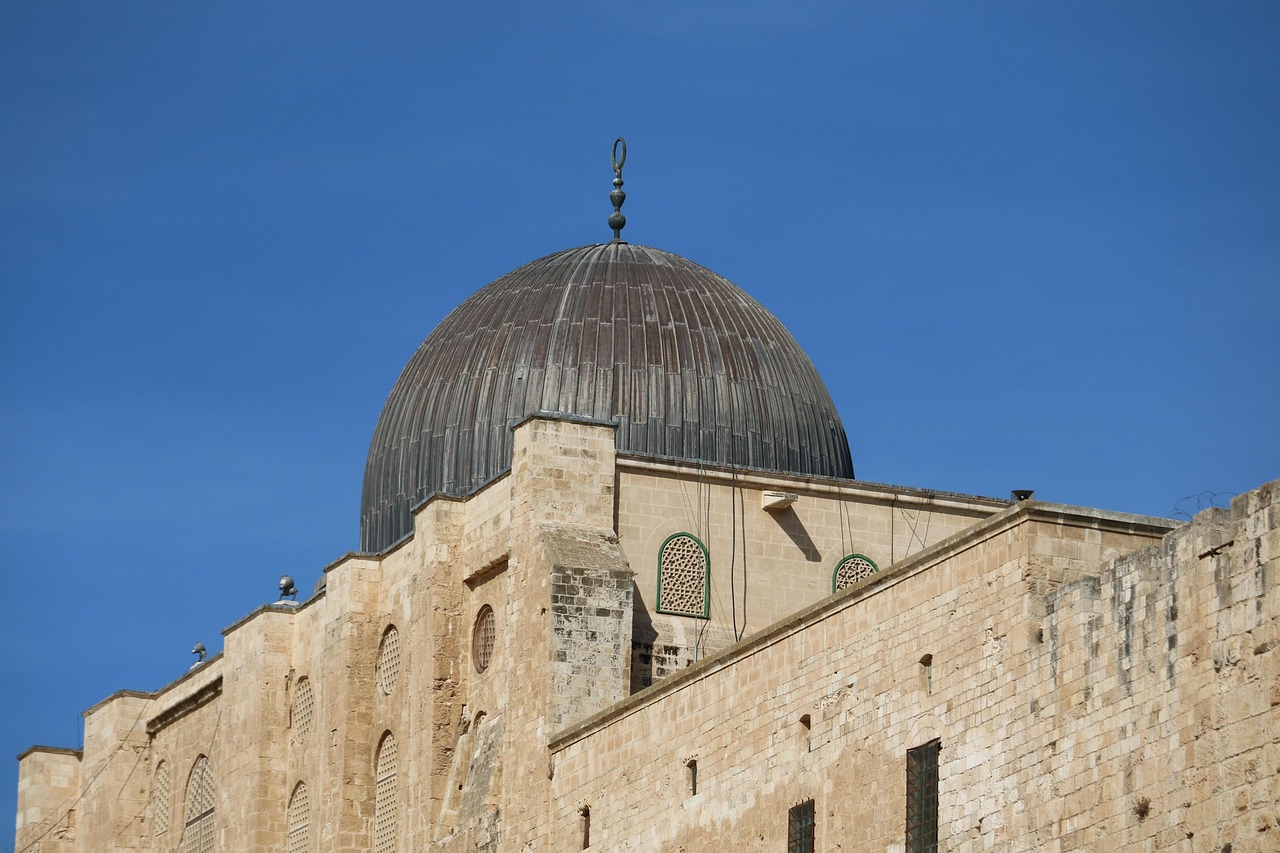
Israeli occupation forces have closed the Al-Aqsa Mosque for the 30th consecutive day, where calls for its invasion during the Jewish Passover are intensifying. This measure comes at a sensitive time, as tensions prevail in Jerusalem, raising fears of a new escalation in the region.
These events coincide with calls from extremist right-wing groups to invade the Al-Aqsa Mosque, which is seen as a provocation to the feelings of Muslims worldwide. Palestinian and international entities have warned that such invasions could lead to an escalation of violence in the holy city.
Details of the Event
Since the beginning of Ramadan, the occupation authorities have imposed strict restrictions on Palestinians' access to the Al-Aqsa Mosque, preventing many worshippers from praying there. In recent days, there has been an increase in the number of Israeli forces deployed around the mosque, heightening tensions.
At the same time, settler groups continue to organize invasions of the Al-Aqsa Mosque, taking advantage of Jewish holidays as an opportunity to strengthen their presence in the area. Reports indicate that these invasions occur under heavy protection from occupation forces, increasing concerns among Palestinians.
Background & Context
Historically, the Al-Aqsa Mosque is considered one of the holiest sites for Muslims and is part of the ongoing Israeli-Palestinian conflict that has lasted for decades. This area has witnessed many bloody events, especially during religious holidays, as settlers seek to reinforce their presence in the city.
In recent years, tensions in Jerusalem have escalated, with the city experiencing numerous confrontations between Palestinians and occupation forces. These events are part of the broader conflict between Palestinians and Israelis, which includes issues such as settlement, Jerusalem, and refugees.
Impact & Consequences
These events serve as a wake-up call for the international community, as they may lead to an escalation of violence in the region. Human rights organizations have warned that the continuation of these policies could exacerbate the humanitarian situation in the Palestinian territories.
Moreover, the escalation at Al-Aqsa could affect relations between Israel and Arab countries, as Jerusalem is a central issue in the Arab-Israeli conflict. Any new acts of violence could provoke strong reactions from Arab nations and the international community.
Regional Significance
The events at the Al-Aqsa Mosque are indicative of the increasing tensions in the region, contributing to heightened feelings of anger and resentment among Palestinians and Arabs in general. These events could lead to an escalation of protests in various Arab countries, complicating the political situation in the region.
In conclusion, the Al-Aqsa Mosque remains the focal point of the conflict, with growing fears that repeated invasions could lead to an explosion of tensions in Jerusalem, necessitating urgent action from the international community to halt the escalation and protect Palestinian rights.