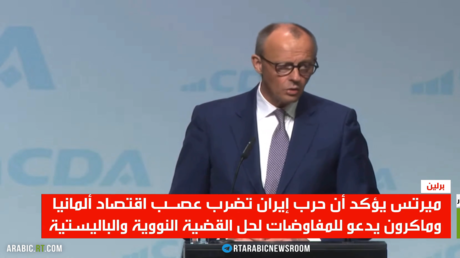
The German Chancellor has warned of severe economic repercussions threatening the industrial framework of Germany due to the ongoing closure of the Strait of Hormuz and the persistent conflict with Iran. This warning comes at a critical time, as the German economy heavily relies on importing oil and gas from the Gulf region, making any disruption in this area directly impact German industry.
The Strait of Hormuz is considered one of the most important waterways in the world, through which approximately 20% of the world's total oil passes. With escalating tensions between Iran and Western nations, this strait has become susceptible to closure or disruption, raising significant concerns in global markets.
Details of the Situation
In statements made by the Chancellor, he emphasized that the continued closure of the strait will lead to rising energy prices, which will increase production costs in German factories. He also pointed out that this situation could hinder companies' ability to compete in global markets, potentially resulting in job losses and rising unemployment.
Concerns are growing that these circumstances may lead to a decline in economic growth in Germany, which is considered one of the strongest economies in Europe. Recent economic reports have shown signs of slowing growth, increasing anxiety about the country's economic future.
Background & Context
Historically, the Strait of Hormuz has witnessed recurring tensions due to political and military conflicts in the region. In recent years, tensions between Iran and the United States have escalated, leading to heightened risks associated with oil shipments. These tensions have not only affected oil prices but also the stability of global financial markets.
Germany is one of the largest oil importers in the world, relying on external energy sources to meet its industrial needs. Therefore, any disruption in oil supplies can have far-reaching effects on the German economy.
Impact & Consequences
If the closure of the Strait of Hormuz continues, we may witness a significant rise in energy prices, affecting all economic sectors. Transportation and production costs are expected to rise, leading to increased prices for consumers. This could contribute to rising inflation, putting additional pressure on households and businesses.
Moreover, these conditions may lead to a decline in foreign investments in Germany, as investors may hesitate to inject their funds into an unstable environment. This situation could negatively impact innovation and long-term economic growth.
Regional Significance
The Arabian Gulf region is one of the most sensitive areas in the world, where economic and political interests intersect. Any disruption in this region can affect regional stability, potentially exacerbating political and economic crises.
Additionally, the closure of the Strait of Hormuz could impact neighboring Arab countries, many of which rely on oil exports. This could lead to a decline in government revenues, affecting economic and social development in these countries.
In conclusion, the closure of the Strait of Hormuz poses a significant challenge to the German economy and the global economy as a whole. The current situation requires urgent diplomatic action to avoid exacerbating crises and achieve stability in the region.