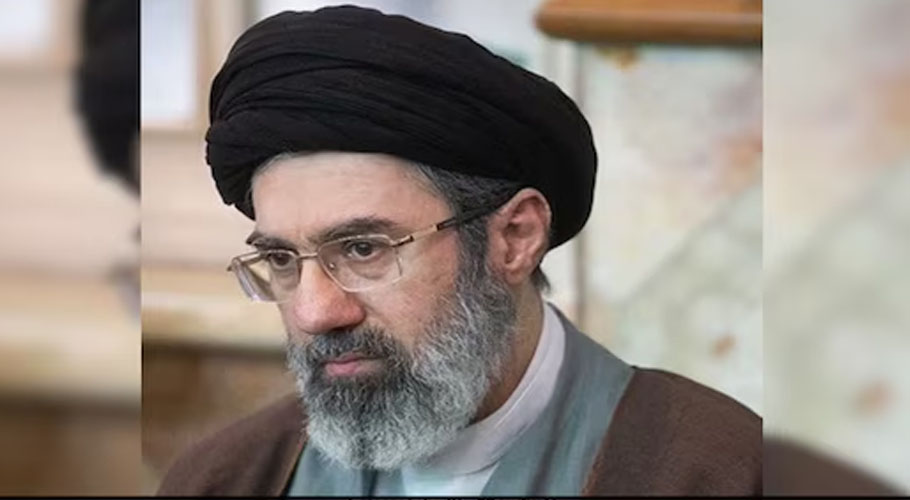
According to the British newspaper The Times, Mojtaba Khamenei, the son of the Supreme Leader of the Islamic Republic of Iran, is suffering from a serious health condition that renders him unable to make decisions. This news comes at a sensitive time for Iran, as the regime faces escalating internal and external challenges.
Reports suggest that Mojtaba Khamenei, considered a prominent figure within the Iranian regime, may be in critical medical condition, raising concerns about the stability of leadership in the country. This information emerges amid rising political and economic tensions in Iran, where the populace is grappling with multiple crises, including inflation and unemployment.
Details of the Situation
Rumors about Mojtaba Khamenei's health are increasing, as no precise details about his condition have been disclosed. However, reports indicate that he may be unable to perform his leadership duties, prompting questions about who will take charge should his health deteriorate further. Mojtaba Khamenei is viewed as a pivotal figure in the Iranian regime, seen as a potential successor to Supreme Leader Ali Khamenei.
These developments come at a highly sensitive time, as Iran faces mounting internal and external pressures. Economic and social crises are worsening, amplifying discontent among citizens. Additionally, tensions with the West, particularly regarding Iran's nuclear program, place the regime in a precarious position.
Background & Context
Since Ali Khamenei assumed the position of Supreme Leader in 1989, Iran has witnessed significant changes in both domestic and foreign policy. Mojtaba Khamenei, regarded as one of the key figures in the regime, has played a prominent role in shaping Iranian policies. However, the deterioration of his health could alter the power dynamics within the country.
Historically, there have been similar instances in Iran where the health of leaders impacted the stability of the regime. For example, the declining health of former President Mahmoud Ahmadinejad led to changes in political leadership. These events raise concerns about how Mojtaba Khamenei's health condition might affect Iran's future.
Impact & Consequences
If Mojtaba Khamenei's health continues to decline, it could lead to a power vacuum within the Iranian regime. This vacuum could be exploited by political rivals or various factions within the system, potentially resulting in internal conflicts. Furthermore, a decline in leadership could affect Iran's ability to address external challenges, including nuclear negotiations and relations with Western countries.
The potential repercussions of this situation may include increased internal tensions, as some factions may seek to bolster their power in the absence of strong leadership. Additionally, Mojtaba Khamenei's health status could impact the overall stability of the regime, raising the likelihood of social unrest.
Regional Significance
Iran is a key player in the region, and any changes in its leadership could affect the regional balance. Neighboring Arab countries are closely monitoring the situation, as any weakening of the Iranian regime could lead to shifts in regional policies. Furthermore, Iran-backed groups in the region may also be affected by this potential leadership change.
In conclusion, the deterioration of Mojtaba Khamenei's health raises numerous questions about Iran's future and its role in the region. The stability of Iranian leadership will have significant implications for political and economic conditions in the Middle East.