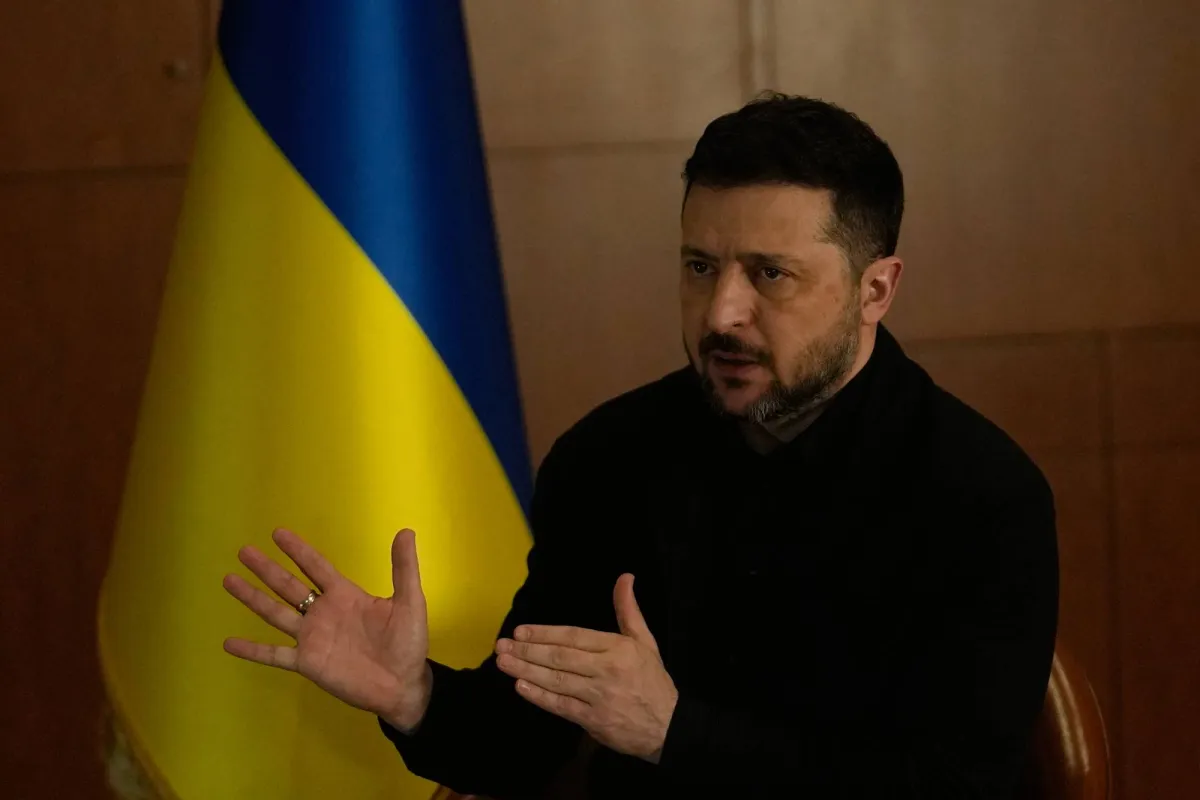
Ukrainian President Volodymyr Zelensky has voiced concerns that the prolonged conflict between the United States and Israel against Iran may lead to a decline in American support for Ukraine. This comes as Kyiv prepares for a reduction in the delivery of Patriot air defense missiles that it urgently needs.
In an interview with the Associated Press conducted in Istanbul, Zelensky emphasized that Ukraine is in dire need of more Patriot defense systems to counter repeated Russian assaults. He explained that the ongoing Russian bombardment of urban areas since the invasion of Ukraine over four years ago has resulted in the deaths of thousands of civilians, noting that Russia is targeting energy supplies to disrupt the industrial production of drones and missiles that Kyiv has recently developed.
Details of the Situation
Zelensky stated, "We must acknowledge that we are not a priority today," expressing his fears that the war in Iran could reduce U.S. support for Ukraine. The latest U.S.-mediated talks between envoys from Moscow and Kyiv ended in February without any progress, with Zelensky accusing Russia of trying to prolong negotiations while continuing its invasion.
He added that the greatest concern lies with the Patriot missiles, as insufficient quantities have been delivered to Ukraine. He pointed out that the continuation of the war in Iran could lead to a reduction in the American aid package, heightening Kyiv's anxieties.
Background & Context
Ukraine aims to weaken the Russian economy and make the war costly for Moscow. However, rising oil prices due to Iran's closure of the Strait of Hormuz bolster Kremlin revenues, enhancing its capacity to sustain the war. Zelensky confirmed that Russia is reaping economic benefits from the Middle Eastern conflict, referencing the limited easing of U.S. sanctions on Russian oil.
Simultaneously, Ukraine has intensified its drone attacks on Russian oil facilities, raising concerns in Moscow. Zelensky also offered to share his country's battlefield expertise with the U.S. and its allies to develop effective countermeasures against Iranian attacks.
Impact & Consequences
As the war in Iran escalates, Zelensky visited Gulf countries to promote Ukraine's expertise in countering Iranian drones, resulting in new defense cooperation agreements. He also positioned Ukraine as a potential partner in protecting global trade routes, offering assistance in reopening the Strait of Hormuz.
Russia is preparing to escalate its war of attrition as weather conditions improve, while Ukraine continues to face significant challenges in defending its territory. According to the Chief of the General Staff of the Ukrainian Armed Forces, Russian forces are attempting to breach defense lines in several strategic areas.
Regional Significance
These developments underscore the importance of cooperation between Arab nations and Ukraine in addressing shared threats, especially amid the rising use of Iranian drones. Additionally, the increase in oil prices due to the conflict impacts the global economy, necessitating coordinated efforts between Arab countries and Ukraine to tackle these challenges.
In conclusion, the situation in Ukraine remains under scrutiny, with growing concerns about the impact of the war in Iran on international support for Ukraine, which could alter the balance of power in the region.