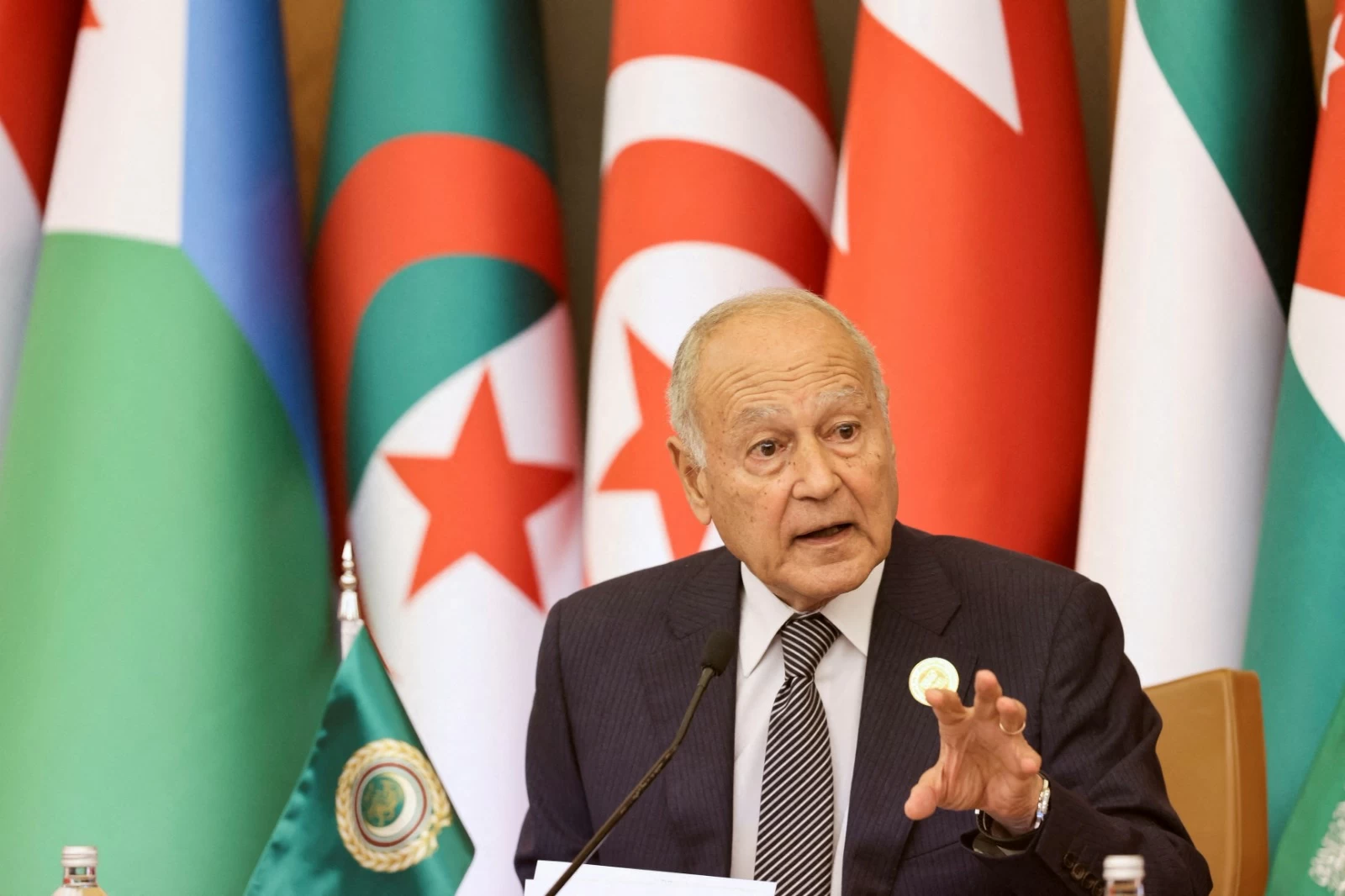
Ahmed Aboul Gheit, the Secretary-General of the Arab League, condemned in the strongest terms the continued Iranian aggression targeting vital civilian facilities in Kuwait. These attacks have affected two electricity generation and water desalination stations, resulting in significant material damage.
Aboul Gheit also pointed to attacks on the Ministry Complex and the Oil Sector Complex in the Shuwaikh area, as well as facilities belonging to the Kuwait National Petroleum Company and the Petrochemical Industries Company. These assaults reflect a reckless Iranian escalation targeting the essential components of life in the Arab Gulf states.
Details of the Incident
Aboul Gheit emphasized that Iran's ongoing targeting of vital civilian facilities, such as water desalination plants and energy and electricity facilities, constitutes a complete crime under international humanitarian law. He noted that these assaults continue despite repeated condemnations from the international community, reflecting an aggressive Iranian approach.
The spokesperson for the Secretary-General, Jamal Rushdi, conveyed Aboul Gheit's affirmation of the Arab League's support for Kuwait, both leadership and people. He expressed full solidarity with Kuwait in the measures it is taking to stop these ongoing Iranian aggressions.
Background & Context
Kuwait has been subjected to a series of Iranian attacks using missiles and drones, which Kuwaiti authorities have attributed to Iran. These assaults targeted vital civilian facilities, raising concerns about regional security and the stability of Gulf states.
Historically, the region has witnessed increasing tensions between Iran and Gulf states, with Gulf countries accusing Iran of supporting armed groups that threaten their stability. These events occur in the context of escalating regional tensions, complicating the security landscape in the area.
Impact & Consequences
These assaults indicate a serious escalation in tensions between Iran and Gulf states, which could lead to negative repercussions for regional security. The continuation of these attacks may affect relations between Iran and Arab countries, increasing divisions in the region.
These events are likely to increase pressure on the international community to intervene, potentially opening the door for further sanctions or diplomatic actions against Iran. Additionally, these assaults could impact foreign investments in Kuwait, negatively affecting the Kuwaiti economy.
Regional Significance
These assaults serve as a wake-up call for countries in the region, highlighting the need to enhance security cooperation among Arab states to confront common threats. Furthermore, these events may prompt Arab countries to reassess their security and defense strategies.
In conclusion, these events underscore the importance of Arab unity in facing challenges, as the Iranian escalation requires a collective response from Arab states to ensure security and stability in the region.