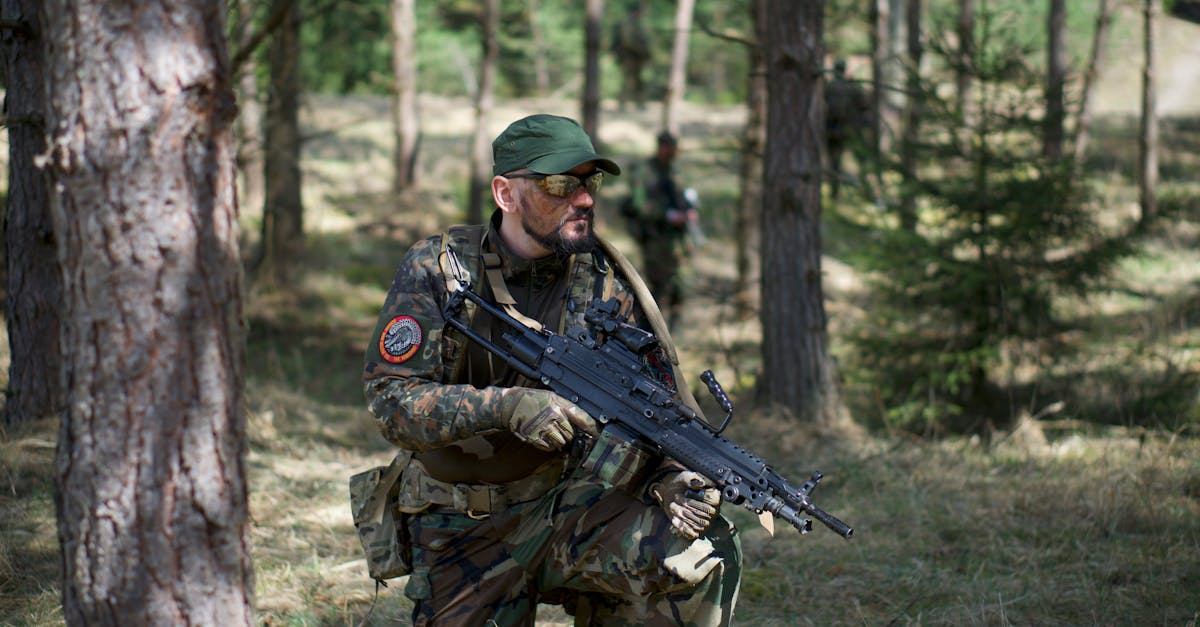
The Indonesian MER-C organization and a team of Muslim lawyers expressed deep sorrow for the deaths of three Indonesian army personnel during a humanitarian mission as part of the peacekeeping forces in Lebanon. The tragic incident occurred in late March, where the soldiers were attacked while performing their humanitarian duties in a region suffering from ongoing conflicts.
During a press conference held in Jakarta, the head of MER-C, Hadiki Habib, confirmed that these soldiers had been carrying out their missions under the United Nations Interim Force in Lebanon (UNIFIL) since 2006. He noted that the situation in Lebanon has significantly worsened in recent years, leading to a deep humanitarian crisis that requires urgent international attention.
Details of the Incident
The three soldiers who lost their lives are: Farizal Romadon, who was killed on March 29 due to an artillery shell attack; Zulmi Aditia Iskandar, who was killed on March 30 while leading a protection mission; and Mohammad Noor Eishwan, who died in a vehicle explosion. These incidents highlight the significant risks faced by peacekeeping personnel in conflict zones.
In this context, Habib strongly condemned the attacks on humanitarian teams, emphasizing the necessity to protect these individuals who work under dangerous conditions. He also called for the necessary protections to be provided to them from all conflicting parties.
Background & Context
Since 2006, Indonesia has contributed troops to the UNIFIL mission in Lebanon, aiming to support peace and stability efforts in the region. With the escalation of conflicts in the Middle East, the situation in Lebanon has become more complicated, exacerbating humanitarian crises.
Historically, Lebanon has witnessed numerous conflicts that have affected its stability, including the civil war that lasted from 1975 to 1990. Since then, the country has suffered from the repercussions of this war, including political and economic divisions.
Impact & Consequences
This incident serves as a stark reminder of the dangers faced by peacekeeping forces in conflict areas. The deaths of the Indonesian soldiers underscore the urgent need to protect humanitarian workers, who are often subjected to assaults in conflict zones.
Moreover, this incident may impact international relations, as Indonesia might call for a review of its policies regarding the deployment of peacekeeping forces to conflict areas. It is crucial for governments to take effective steps to ensure the safety of their soldiers and relief workers.
Regional Significance
The Arab region is significantly affected by humanitarian crises and ongoing conflicts. The deaths of the Indonesian soldiers in Lebanon remind us of the importance of enhancing international efforts to protect humanitarian workers throughout the region.
This incident may also prompt Arab countries to consider how to better support peacekeeping missions and ensure the safety of individuals working in difficult conditions. Strengthening cooperation among Arab states in this area could contribute to improving humanitarian conditions in the region.