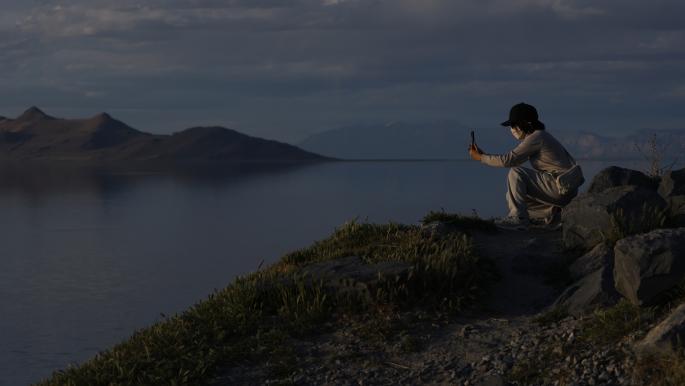
The Great Salt Lake is one of the largest saline lakes in the United States, yet it is currently facing a critical crisis that threatens its existence. Over the past four decades, the lake has lost two-thirds of its area, raising widespread concern among scientists and environmentalists. The primary reason for this decline is the consumption of its water by the agriculture and mining sectors, coupled with the effects of global warming, which lead to rising temperatures and faster evaporation of water.
Agriculture is one of the largest consumers of the lake's water, utilizing vast amounts for crop irrigation. Additionally, mining operations in the area also contribute to the depletion of water resources. While these economic activities are important, they come at the expense of the environment and exacerbate the drought problem.
Details of the Event
According to reports, the Great Salt Lake has experienced a significant drop in water levels, with its surface area decreasing from approximately 1,200 square miles to less than 400 square miles. This substantial decline threatens the surrounding ecosystem and negatively impacts the wildlife and plants that depend on this water for survival.
The problem is worsening with ongoing climate changes, as studies indicate that global warming is causing increased temperatures in the region, which in turn raises evaporation rates. This situation necessitates urgent action to preserve what remains of the lake.
Background & Context
The Great Salt Lake was established in ancient geological times and has been considered an important source of water and natural resources. Over time, human activities have significantly impacted this natural environment. In recent years, local governments have begun taking steps to reduce water consumption, but these efforts are still insufficient to meet current challenges.
Historically, the lake has been a center for agriculture and industry, but with the increasing demand for water, it has become essential to reassess how these resources are managed. It requires a collaborative effort between the government and the local community to preserve and protect this lake from drought.
Impact & Consequences
If water levels continue to decline, it will lead to serious environmental and economic consequences. Drought could result in the loss of biodiversity in the area, affecting local species and threatening the stability of the ecosystem. Additionally, lower water levels will impact economic activities such as agriculture and fishing, potentially leading to job losses and increased poverty in local communities.
Moreover, drought may exacerbate public health issues, as rates of water-related diseases could rise. Therefore, addressing this issue requires a comprehensive response from all stakeholders involved.
Regional Significance
Drought and climate change are major challenges facing many Arab countries. With the increasing demand for water in the region, effective strategies must be developed to tackle these issues. The experience of the Great Salt Lake can serve as an important lesson for other Arab nations facing similar problems.
Regional cooperation in water resource management can contribute to better sustainability, and there should be joint efforts to adapt to climate changes. Protecting the environment and conserving natural resources is a collective responsibility that requires concerted efforts at all levels.
In conclusion, the crisis of the Great Salt Lake highlights the importance of sustainable water resource management. Urgent and effective responses are needed to preserve this natural environment and ensure its sustainability for future generations.