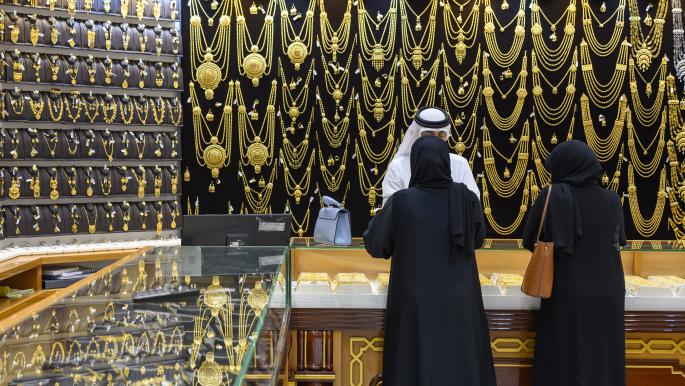
Concerns are rising among consumers regarding the decision to purchase gold amid volatile economic and political conditions. With ongoing conflicts and wars in certain regions, many are asking a crucial question: Should they buy gold now or wait for a possible decline in prices?
Gold prices are considered significant economic indicators that are heavily influenced by global events, as investors turn to gold as a safe haven during crises. However, the current market fluctuations make it challenging to determine the ideal time for purchase.
Recent Trends in Gold Prices
Reports indicate that gold prices have seen notable increases in recent months, surpassing the threshold of $2000 per ounce. This rise is attributed to several factors, including heightened demand for the precious metal as a hedge against inflation, alongside political instability in various countries.
At the same time, some analysts predict that prices may correct in the near future, which could lead investors to wait before making a purchase decision. However, this waiting period may come with the risk of missing out on opportunities if prices continue to rise.
Background & Context
Historically, gold is regarded as an asset that retains its value during times of crisis. In previous financial crises, gold prices experienced significant surges, making it a preferred choice for investors. Nonetheless, the current situation is somewhat different, as multiple economic and political factors intertwine to affect prices.
For instance, military conflicts in regions such as the Middle East and Eastern Europe are driving up demand for gold, while the monetary policies of major countries influence supply and demand dynamics. These factors complicate predictions regarding the future trajectory of prices.
Impact & Consequences
If gold prices continue to rise, this may increase pressure on consumers looking to purchase gold as an investment. Conversely, if prices decline, investors might find themselves in a better position to buy, potentially leading to increased demand in the market.
Moreover, fluctuations in gold prices impact local economies, especially in countries that rely on gold exports. Any significant changes in prices could affect government revenues and lead to shifts in economic policies.
Regional Significance
In the Arab region, gold is considered a vital asset preferred by many as a means of preserving wealth. With rising political and economic tensions, demand for gold as a safe haven is increasing. This demand could further drive up prices, affecting consumers' purchasing power.
Additionally, gold-producing countries in the region may benefit from rising prices, bolstering their economies. However, price volatility could lead to instability in local markets, prompting governments to take measures to address these challenges.
In conclusion, the decision to purchase gold remains a complex issue that requires careful consideration of current circumstances. Consumers and investors must be aware of the risks and opportunities available and make their decisions based on a thorough market analysis.