Hezbollah's Secretary-General, Hassan Nasrallah, asserted that negotiating with Israel amidst the ongoing war conditions is viewed as a forced surrender, stressing that the resistance will not accept this option. This was stated during a public address, where he highlighted that the situation in the region necessitates a unified stance against the Israeli occupation.
Nasrallah added that the resistance in Lebanon continues its preparations to confront any aggressions and will not hesitate to defend the rights of the Lebanese people. He also called for strengthening unity among various Palestinian factions to face the current challenges.
Details of the Event
In his speech, Nasrallah addressed the security situation in Lebanon, noting that tensions with Israel have escalated recently. He pointed out that the resistance has achieved significant accomplishments in countering Israeli aggressions and is prepared to face any potential escalation.
He also discussed the importance of Arab support for the Palestinian cause, affirming that unity among Palestinian factions is the only way to achieve shared goals. He indicated that any negotiations with Israel should be conditional upon ending the occupation and restoring usurped rights.
Background & Context
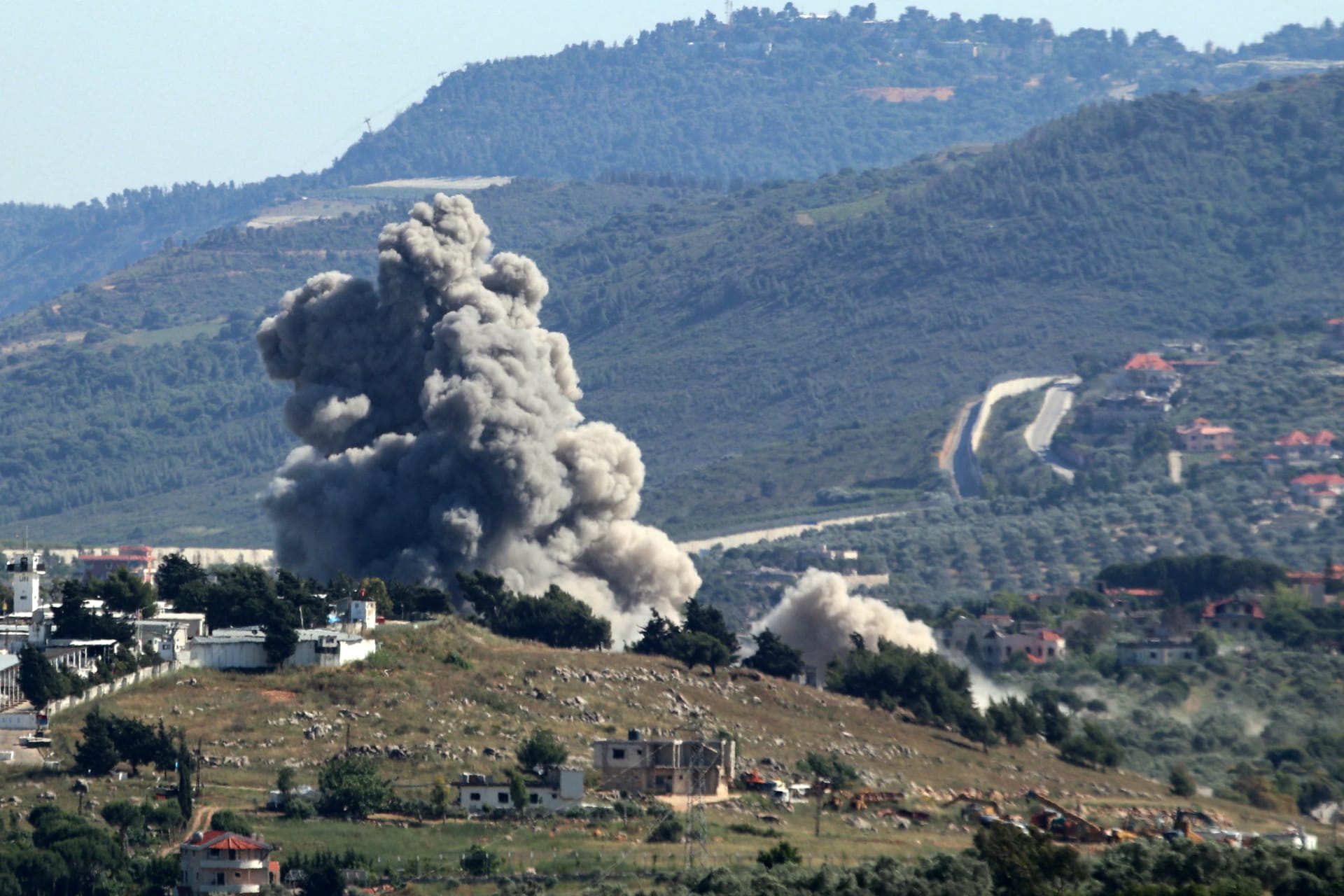
Nasrallah's statements come at a sensitive time for the region, where tensions between Israel and Palestinian factions are increasing, especially following the recent escalation in Gaza. The Lebanese-Israeli border has witnessed intense military movements, heightening concerns in Lebanon.
Historically, Hezbollah has been at the forefront of resistance against the Israeli occupation, having fought several wars with Israel since its establishment in the 1980s. The party is considered part of the resistance axis that includes Iran, Syria, and Palestinian factions, reflecting the complexities of the conflict in the region.
Impact & Consequences
Nasrallah's statements emphasize that any attempt to negotiate with Israel under the current circumstances could exacerbate the situation and provoke violent reactions from Palestinian factions. Furthermore, these statements may impact relations between Lebanon and other Arab countries, particularly those seeking to normalize relations with Israel.
These conditions could potentially lead to military escalation in the region, negatively affecting security and stability in Lebanon and neighboring countries. Additionally, the ongoing tensions may impact the Lebanese economy, which is already suffering from multiple crises.
Regional Significance
Nasrallah's remarks serve as a call to unify ranks in the face of the Israeli occupation, reflecting the importance of the Palestinian cause in Arab consciousness. These statements may elicit varied reactions in Arab countries, where some seek to strengthen relations with Israel within the framework of peace agreements.
At the same time, these remarks could bolster popular support for the resistance in Lebanon and Palestine, potentially leading to heightened tensions in the region. Thus, the situations in Lebanon and Palestine remain closely linked to regional and international developments.