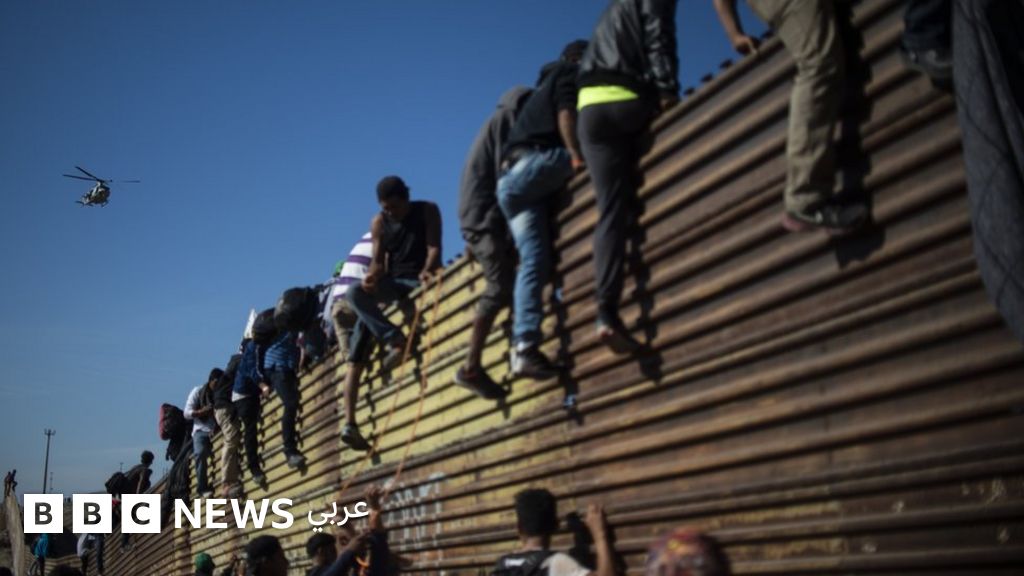
Costa Rica has announced a new agreement to receive migrants who were deported from the United States during the administration of former President Donald Trump. This decision comes at a time when there is growing pressure on the US government to find countries willing to accept these individuals who suffered difficult conditions during their detention.
This agreement reflects the ongoing challenges faced by the United States in managing immigration issues, as the US government seeks to reduce the number of undocumented migrants by deporting them to other countries. Costa Rica has expressed its willingness to contribute to this effort, raising questions about how this decision will impact relations between the countries involved.
Details of the Agreement
The agreement was reached during talks between the US government and its Costa Rican counterpart, where the importance of international cooperation in addressing immigration issues was emphasized. Under this agreement, Costa Rica will accept a number of deported migrants, providing them with a new opportunity to start afresh in a new environment.
It is worth noting that this agreement comes at a sensitive time, as many Central American countries are suffering from economic and social crises, which increases the number of migrants seeking to reach the United States. Therefore, accommodating these migrants in Costa Rica may help alleviate pressures on the US borders.
Context and Background
Historically, the United States and Costa Rica have enjoyed close relations, with Costa Rica being considered one of the more stable countries in the region. However, the issue of immigration has significantly affected these relations, especially under the strict policies implemented by the Trump administration. In recent years, there has been an increase in the number of migrants from Central American countries, exacerbating humanitarian crises.
Although Costa Rica is considered a relatively safe destination, accommodating migrants may place additional pressure on its limited resources. This decision has elicited mixed reactions from both the local and international communities, with some viewing it as a positive step towards enhancing regional cooperation, while others consider it a new challenge.
Consequences and Impact
This agreement could have wide-ranging effects on immigration policy in the region. On one hand, this decision may encourage other countries to take similar steps to accept migrants, thereby enhancing regional cooperation efforts. On the other hand, it may lead to increased pressures on Costa Rica itself, which may face challenges in accommodating these individuals and providing the necessary support.
Moreover, this agreement could affect relations between the United States and Central American countries, as it may be seen as a step towards addressing immigration issues more humanely. However, questions remain about how this agreement will be implemented and its effectiveness in addressing ongoing humanitarian crises.
Impact on the Arab Region
Although this news pertains to Central America, it also has implications for the Arab region. With the increasing number of refugees and migrants worldwide, there is a pressing need for international solutions that promote human rights and provide protection for those in need. Costa Rica's experience could serve as a model for how to handle immigration issues humanely.
In conclusion, there is hope that this agreement will lead to improved conditions for deported migrants and contribute to enhancing cooperation among countries to face shared challenges in the field of immigration.