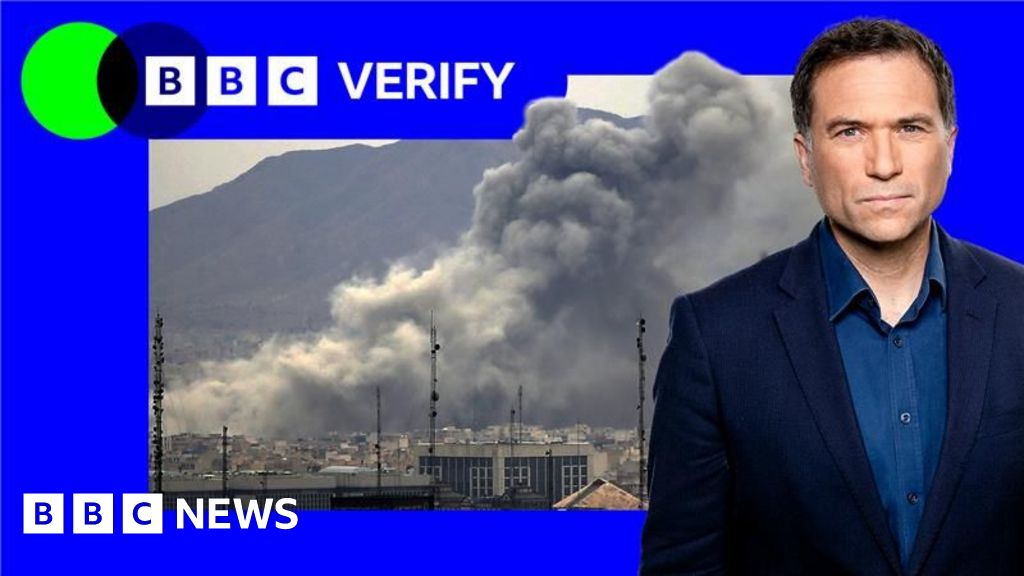
The United States continues to incur significant costs due to its ongoing war against Iran. Analyst Russ Atkins details these expenses and their effects on the American economy. Estimates indicate that the war, which began several years ago, has cost American taxpayers billions of dollars, raising questions about the viability of these expenditures under current circumstances.
As the United States continues its military strategy in the region, political and economic pressures are mounting on the U.S. government to justify these expenses. Atkins discusses how these costs encompass not only direct military expenditures but also the broader economic impact on the American market.
Details of the Event
The American military costs in Iran include expenses for military equipment, soldier salaries, and logistical support operations. According to reports, these expenses have exceeded $200 billion since the beginning of the conflict. There are also indirect costs related to domestic security and potential threats arising from this war.
The United States aims to achieve its strategic objectives in the region, but these goals come at a high price. Many question the effectiveness of this strategy in achieving stability in the region, especially amid rising tensions with Iran.
Background & Context
Historically, U.S.-Iranian relations have been tense since the Islamic Revolution in 1979. These relations have seen a notable escalation in recent years, particularly following the U.S. withdrawal from the Iranian nuclear agreement in 2018. This withdrawal led to the imposition of severe economic sanctions on Iran, further intensifying tensions between the two countries.
Iran is considered one of the key countries in the Middle East, having a significant influence on political and economic events in the region. Therefore, any military conflict with Iran has wide-ranging implications for neighboring countries and U.S. interests in the Middle East.
Impact & Consequences
The costs of the American war against Iran directly affect the U.S. economy, as vast resources are allocated to the conflict instead of investing in other areas such as education and infrastructure. Additionally, these expenditures may lead to an increase in the U.S. budget deficit, negatively impacting the national economy.
Moreover, the continuation of the conflict could exacerbate security conditions in the region, increasing the likelihood of new conflicts erupting. This situation may also affect global oil prices, as any escalation in the conflict could lead to a significant rise in prices.
Regional Significance
The Arab countries neighboring Iran are among the most affected by the conflict. Tensions between the United States and Iran could destabilize countries like Iraq, Syria, and Lebanon. These conditions may also impact the relationships between Arab countries and Iran, complicating the political landscape in the region.
Ultimately, the question remains whether the United States can achieve its strategic objectives in the region without incurring further economic and political costs. Understanding these dynamics is vital for Arab countries seeking to maintain their stability and security amid these changing circumstances.