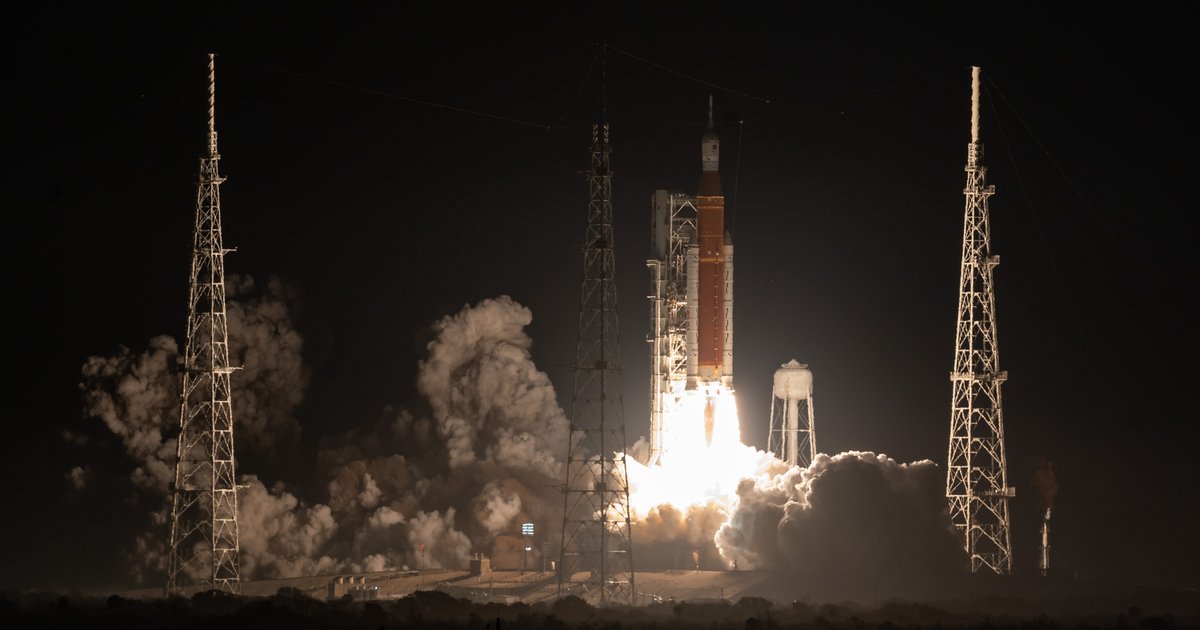
NASA has initiated the countdown for its first manned mission to the Moon in over half a century, preparing to launch the Artemis 2 spacecraft. This mission marks a significant step in space exploration and the development of modern technology.
Through this mission, NASA aims to return humans to the Moon, with the spacecraft scheduled to embark on a journey lasting approximately 10 days, which includes a landing on the lunar surface. This mission is part of the Artemis program, which aims to establish a permanent human presence on the Moon, paving the way for future exploration of Mars.
Details of the Mission
The Artemis 2 spacecraft is set to launch in the first quarter of 2024, where it will orbit the Moon before returning to Earth. The mission will include a crew of four astronauts, who will conduct scientific experiments and technological tests during the journey. This event follows the success of the Artemis 1 mission, which was uncrewed and demonstrated the spacecraft's capability to travel to the Moon.
This mission is part of NASA's vision for space exploration, as the agency seeks to enhance international cooperation in space and develop new technologies that contribute to the exploration of other planets.
Background & Context
The last manned mission to the Moon was in 1972, when the Apollo 17 spacecraft landed on the lunar surface. Since then, no space agency has sent astronauts to the Moon. With the growing global interest in space exploration, many countries have begun developing their own space programs, increasing competition in this field.
The Artemis program is part of NASA's strategy to expand the boundaries of space exploration and reflects a new direction towards more comprehensive exploration of outer space. The program aims to enhance scientific understanding of the universe and develop new technologies that can benefit humanity.
Impact & Consequences
The Artemis 2 mission represents a turning point in space exploration, as it will contribute to technological innovation and the development of industries related to space. Additionally, this mission will open new horizons for international cooperation, as NASA collaborates with other space agencies such as the European Space Agency.
This mission is expected to impact various fields, including education and scientific research, as it will inspire new generations of scientists and engineers. Moreover, success in this mission could enhance the United States' status as a leading power in space.
Regional Significance
The Artemis 2 mission presents an opportunity for Arab countries to enhance their participation in space exploration. Some Arab nations, such as the United Arab Emirates, have begun developing their own space programs, reflecting a growing interest in this field. This mission could contribute to strengthening cooperation between Arab countries and global space agencies.
In conclusion, the Artemis 2 mission represents an important step towards a bright future for space exploration, potentially leading to new discoveries and technological advancements that can improve human life.