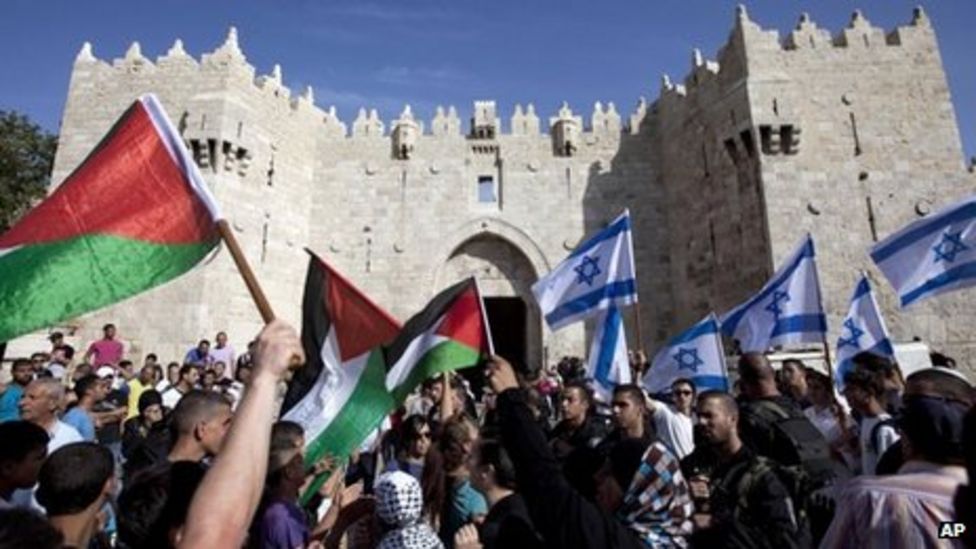
All eyes are on the coming hours that may determine the fate of the ongoing war, as tensions rise and fears of a new escalation grow. These critical moments could significantly impact the political and security situations in the region.
In light of these circumstances, many countries are holding emergency meetings to discuss the current situation, with increasing calls for de-escalation and avoidance of conflict. Some nations have expressed their readiness to mediate in order to reach a peaceful solution, while the conflicting parties continue to strengthen their military positions.
Event Details
Reports indicate that the deadline set for reaching an agreement is nearing its end, heightening tensions further. In this context, informed sources have reported that intensive diplomatic efforts are being made by several countries to ensure that the situation does not worsen.
Recent military movements by the involved parties have also raised concerns within the international community, as major powers seek to influence the course of events by pressuring the parties to come to the negotiating table.
Background & Context
Historically, the region has witnessed numerous armed conflicts that have led to serious humanitarian and political repercussions. These conflicts have often been the result of ethnic or religious tensions, in addition to external interventions. The current situation is no exception, as regional and international interests intertwine in a complex manner.
In recent years, the region has seen a rise in conflicts, increasing the number of displaced persons and refugees. This situation requires an urgent response from the international community to ensure the protection of civilians and the provision of humanitarian aid.
Impact & Consequences
If an agreement is not reached in the coming hours, it could lead to a large-scale military escalation, threatening the stability of the entire region. The repercussions of this escalation may extend to neighboring countries, increasing the state of instability.
Some analyses predict that escalation could exacerbate humanitarian crises, as civilians will suffer the consequences of war. This situation necessitates humanitarian organizations to intensify their efforts to provide the necessary assistance.
Regional Significance
The current events have a significant impact on Arab countries, as any escalation could lead to political and economic repercussions. Neighboring countries may find themselves facing new challenges related to security and economy.
The situation may also affect relations between Arab countries, as positions regarding the conflict may vary, increasing divisions. In this context, it is crucial for Arab nations to adopt a unified stance to ensure regional stability.
In conclusion, the coming hours remain critical in determining the fate of the war, as everyone looks forward to a peaceful resolution that ensures security and stability. The situation requires the international community to act urgently to support peace efforts.