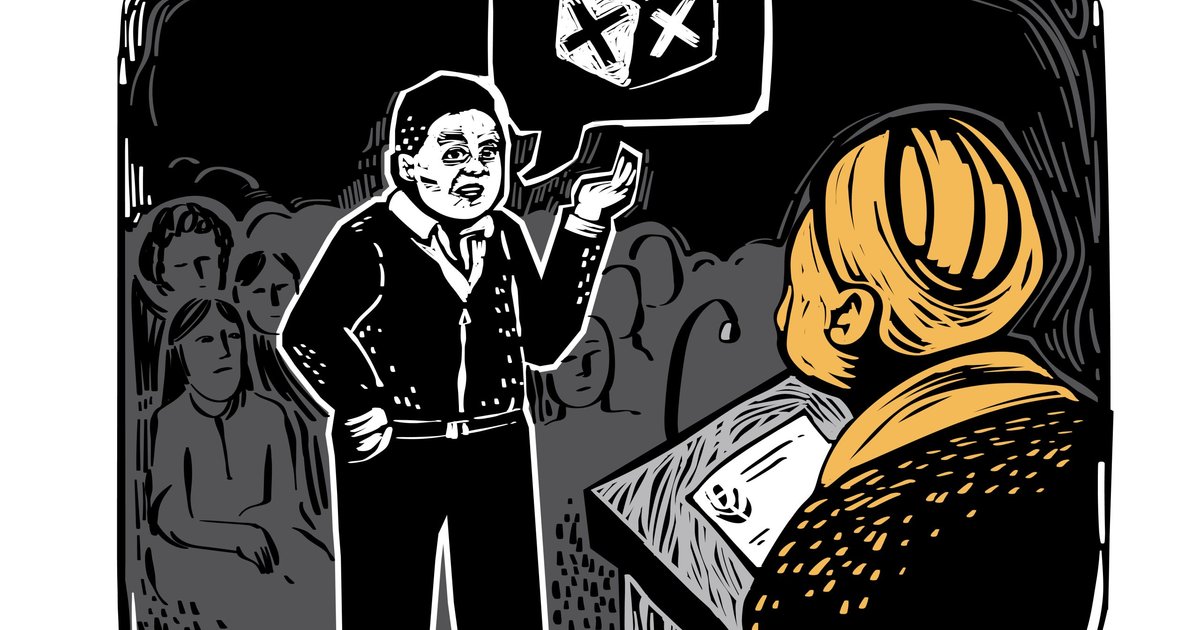
The French investigative committee focused on public media funding is preparing to vote on its report addressing neutrality and funding issues. This vote is considered a critical step before the report becomes available to the public. It is anticipated that this vote will take place in a week, raising questions about the future of public media in the country.
The report comprises a series of recommendations aimed at enhancing transparency and neutrality in public media, which is extremely important given the challenges these institutions face in the digital age. Should the report receive majority approval from committee members, the public will soon have access to its contents.
Event Details
The investigative committee consists of 30 members and was formed to review how public media in France is funded, as well as to assess its neutrality in news reporting. This report is part of broader efforts to improve transparency in media, especially in light of increasing criticism regarding the bias of certain media outlets.
The upcoming vote is seen as a test of consensus among committee members on sensitive issues related to media. This event highlights the importance of public media in promoting democracy and ensuring that information is delivered fairly and objectively to the public.
Background & Context
Historically, public media in France has faced multiple challenges regarding funding and neutrality. In recent years, there has been a surge in discussions about how funding affects the independence of media outlets. These discussions have manifested in various reports and studies addressing the relationship between money and politics in media.
This committee comes at a sensitive time, as public media faces increasing pressure to provide content that is objective and neutral, amid growing competition from private media and social media platforms. This report is seen as a step towards enhancing trust between the public and the media.
Impact & Consequences
If the recommendations in the report are adopted, it could lead to radical changes in how public media is funded, potentially affecting its operations and editorial directions. This may encourage greater transparency and enhance the independence of these outlets from political and financial pressures.
The significance of this topic is heightened by the challenges democracies face worldwide, where independent media is considered one of the cornerstones of maintaining public freedoms. Therefore, the outcomes of this vote could have far-reaching implications for the management of public media in France.
Regional Significance
The issue of media funding and neutrality is particularly important in the Arab world, where many countries face similar challenges regarding press freedom and media independence. The French experiences could serve as a model for enhancing transparency and neutrality in media.
Amid the political and social crises affecting some Arab countries, strengthening the role of independent public media is essential to ensure accurate and reliable information is provided to the public. Thus, monitoring the results of this vote in France may offer valuable lessons for Arab nations in addressing media issues.