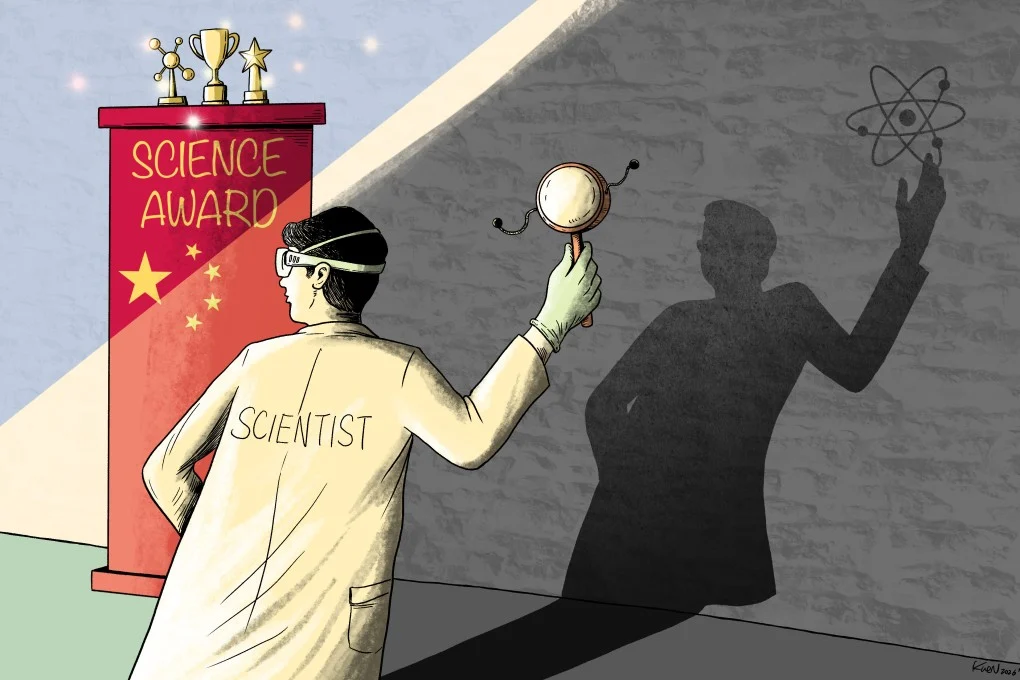
Academics in China have accused the science and technology awards system of illegal practices, including exaggeration of achievements and bribery. Despite government efforts to address these issues, these flaws remain entrenched, raising concerns about the future of innovation in the country.
The science and technology awards in China are considered one of the most prominent means of reflecting scientific and technological progress in the country, awarded to researchers and inventors in recognition of their accomplishments. However, critics have pointed out that the system suffers from deep-rooted problems, including the establishment of illicit personal relationships and the inflation of achievements, which threatens the credibility of these awards.
Details of the Issue
Criticism of the awards system in China is on the rise, with allegations that many winners have obtained their awards through illegal means, such as bribery or leveraging personal connections. Some academics have noted that these practices lead to an erosion of trust in the academic system and negatively impact the quality of scientific research.
Although the Chinese government has taken steps to combat these practices, critics argue that current efforts are insufficient. Numerous cases of manipulation in award results have been reported, raising questions about how scientific achievements are evaluated in the country.
Background & Context
Historically, the awards system in China was seen as a means to promote innovation and scientific advancement, especially amid increasing global competition. However, recent years have witnessed a growing skepticism regarding the integrity of this system, prompting many academics to call for radical reforms.
China is one of the leading countries in research and development, with the government investing heavily in science and technology. However, the presence of illegal practices within the awards system could hinder progress and affect the country's reputation on the international stage.
Impact & Consequences
If these practices continue, they could lead to a decline in the quality of scientific research in China, negatively impacting innovation and technological advancement. Additionally, the loss of trust in the awards system may result in decreased investments in research and development, as investors might hesitate to support projects that could be based on unsound foundations.
Moreover, these issues could affect international academic relations, as foreign researchers may avoid collaborating with institutions that might be involved in illegal practices. Therefore, reforming the awards system becomes an urgent necessity to maintain China's reputation as a leading nation in science and technology.
Regional Significance
The Chinese experiences in innovation and technology serve as a model for many Arab countries seeking to enhance their scientific capabilities. However, the existence of illegal practices within the awards system could serve as an important lesson for Arab nations to avoid repeating these mistakes. Arab countries should strive to build transparent and fair systems for evaluating scientific achievements, thereby enhancing trust in their academic institutions.
In conclusion, the science awards system in China requires radical reforms to ensure its integrity and effectiveness. Addressing these issues is not only crucial for China but also for other countries seeking to promote innovation and scientific advancement.