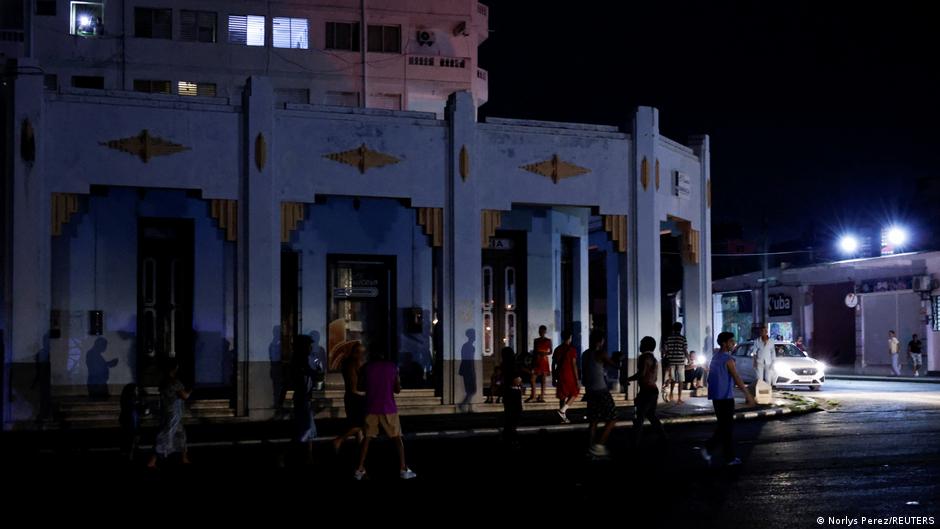
Cuba is currently experiencing a severe energy crisis after Minister of Energy Vichente de la Oulivi announced on state television that the country's oil reserves have been depleted. This announcement comes at a time when Cuba is facing increasing power outages, which have sparked protests in the capital Havana.
The minister indicated that the electricity network in Cuba has entered a "critical" state, stating: "We have no fuel [oil], no diesel at all... The impact of the blockade is causing us great harm, as we are not receiving fuel."
Details of the Crisis
The United States has continued to impose a blockade on fuel imports to Cuba for the past four months as part of its efforts to pressure the communist government. In January 2026, former President Donald Trump issued an executive order threatening to impose tariffs on any country supplying fuel to Cuba. Since then, Cuba has ceased receiving fuel supplies from its largest suppliers, Venezuela and Mexico.
The minister noted that the only shipment that reached Cuba since December was from a Russian-flagged tanker, which delivered a cargo of crude oil in April. Nevertheless, the minister confirmed that Cuba continues to negotiate for fuel imports, but rising oil prices due to the war in Iran complicate matters.
Background & Context
Historically, Cuba has suffered from the effects of the US blockade that began over six decades ago. This blockade has significantly impacted the Cuban economy, leading to severe shortages of essential goods, including food and medicine. In recent weeks, conditions have worsened due to ongoing power outages, with the minister reporting that many areas in Havana are experiencing electricity cuts of up to 20 hours daily.
Under these circumstances, protests erupted in Havana, where hundreds of residents gathered in the suburbs, blocking roads by setting fire to piles of garbage, chanting for the restoration of electricity.
Impact & Consequences
This crisis represents a significant test for the Cuban government and its ability to handle emergencies. Cuban President Miguel Díaz-Canel blamed the "criminal energy blockade" imposed by the United States for the suffering of the country. In contrast, Marco Rubio, the US Secretary of State, criticized the Cuban government, stating that Cuba's problems stem from rampant corruption within the military.
Pressure is mounting on the Cuban government under these conditions, which could exacerbate the social and economic situation in the country. Some observers have noted that these crises might lead to political changes in the near future.
Regional Significance
The crises facing Cuba exemplify how foreign policies impact developing nations. While Cuba suffers from the blockade, many Arab countries continue to face similar challenges amid economic and political pressures. These crises highlight the importance of Arab cooperation in addressing common challenges.
In conclusion, Cuba remains in the grip of a severe energy crisis, necessitating international community attention. The continuation of the US blockade will worsen the humanitarian situation in the country, calling for urgent action from international organizations.