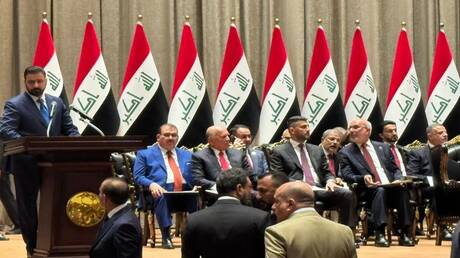
On Thursday, the Iraqi Parliament voted to grant confidence to Prime Minister Ali Falah Al-Zaydi's government, reflecting parliamentary support for the new government's program. This vote comes after a series of discussions and debates surrounding the ministerial formation and proposed agendas.
This step is crucial for the new government as Al-Zaydi aims to achieve political and economic stability in the country. The government has received support from several political blocs, indicating a relative consensus in the Iraqi political landscape.
Details of the Vote
The Al-Zaydi government secured parliamentary confidence with a majority of votes, with several representatives from various political blocs voting in favor. A ministerial program was presented that includes a range of economic and social reforms, in addition to enhancing security and stability in the country.
The new government's priorities include addressing the economic crises facing Iraq, such as corruption and unemployment, as well as improving public services. Al-Zaydi has also pledged to work towards achieving national reconciliation and strengthening unity among the diverse components of the Iraqi population.
Background & Context
The granting of confidence to Al-Zaydi's government occurs amid complex political circumstances, as Iraq faces multiple challenges including rampant corruption, deteriorating economic conditions, and security tensions. The country has experienced frequent governmental changes in recent years, impacting the stability of governmental institutions.
The new government was established following parliamentary elections that witnessed intense competition among political blocs, with calls for forming an inclusive government that encompasses all political parties. Public pressure and demands for reform have accelerated the formation of the government.
Impact & Consequences
The granting of confidence to Al-Zaydi's government is expected to have positive effects on the political and economic situation in Iraq. If the government can implement its reform program, it may lead to improved living conditions for citizens and restore trust in governmental institutions.
However, the greatest challenge remains how to address the multiple crises facing the country, including corruption and unemployment. The government's success in achieving its goals largely depends on its ability to maintain sustainable political consensus.
Regional Significance
The new government in Iraq serves as a model for the region, as many Arab countries seek to achieve political and economic stability. The success of Al-Zaydi's government may encourage other nations to take similar steps towards reform and change.
Moreover, Iraq's stability has a direct impact on regional security, as it is a pivotal point in the political and economic conflicts in the Middle East. Strengthening stability in Iraq could contribute to improving relations among Arab countries and enhancing regional cooperation.
In conclusion, granting confidence to Ali Falah Al-Zaydi's government represents an important step towards achieving stability in Iraq, reflecting parliamentary support for efforts aimed at reforming economic and political conditions. The greatest challenge remains the implementation of these reforms amid the complex circumstances facing the country.