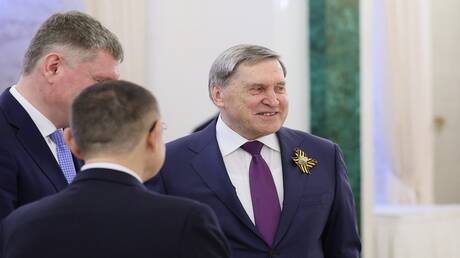
In striking remarks, Yuri Ushakov, an aide to the Russian president, asserted that he has never employed the term 'Anchorage spirit', while characterizing the 'Beijing spirit' as genuine and tangible. These statements come at a time when international relations are experiencing heightened tensions, highlighting the cultural and political disparities between Russia and China.
The 'Beijing spirit' symbolizes the close cooperation between China and Russia, with this collaboration being reinforced across various sectors such as economy, politics, and security. In contrast, the 'Anchorage spirit', referring to the American city of Anchorage, reflects the current gap between Russia and the United States.
Details of the Event
Ushakov, who serves as a senior aide to the Russian president, noted that Russian-Chinese relations have seen significant development in recent years. This cooperation has been bolstered by numerous bilateral agreements covering areas like energy and trade.
In this context, it can be said that the 'Beijing spirit' represents Russia's strategic shift towards strengthening ties with China, especially as the United States seeks to contain Russian influence. Ushakov's comments seem aimed at emphasizing the importance of this cooperation in addressing global challenges.
Background & Context
Historically, Russian-Chinese relations have been complex, marked by periods of both cooperation and tension. However, recent years have witnessed a positive transformation, with China and Russia emerging as strategic partners on various international issues.
This shift also reflects changes in the international system, as both nations strive to enhance their positions in the face of Western pressures. Global events, such as the Ukrainian crisis, have further solidified this cooperation, with Russia finding a strong ally in China.
Impact & Consequences
Ushakov's statements may carry broader implications for international politics. As tensions between Russia and the West escalate, it appears that Russia is seeking to strengthen its alliances with non-Western nations, particularly China.
This collaboration could influence geopolitical balances in the region, potentially leading to the formation of new alliances that challenge Western dominance. Furthermore, this partnership may contribute to regional stability amid increasing crises.
Regional Significance
Considering Russian-Arab relations, the strengthening of cooperation between Russia and China could impact Arab policies. Arab nations seeking to diversify their economic partnerships may find this cooperation an opportunity to enhance their relations with both Russia and China.
Moreover, shifts in international relations may affect Arab countries' strategies in dealing with major powers. Therefore, understanding these dynamics is crucial for Arab states amid rapid changes in the global landscape.
In conclusion, Yuri Ushakov's remarks underscore the significance of Russian-Chinese cooperation in light of global tensions. The 'Beijing spirit' is not merely a phrase; it reflects a strategic shift that could influence international relations in the future.