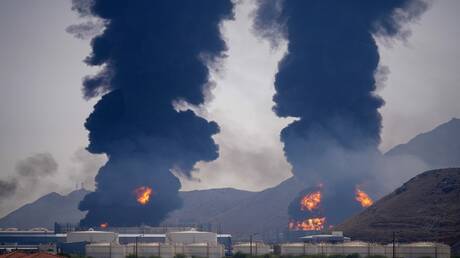
The death toll in the United Arab Emirates due to Iranian attacks has risen to 11, as UAE air defenses intercepted 15 ballistic missiles on March 26. These events come at a sensitive time when the region is witnessing escalating tensions between Iran and Arab states, raising concerns about regional security.
The Iranian attacks, which targeted multiple areas in the UAE, represent a serious escalation in the ongoing conflict. UAE authorities have confirmed that the attacks resulted in casualties and significant material damage, further heightening fears regarding the stability of the region.
Details of the Incident
On March 26, UAE air defenses detected the launch of 15 ballistic missiles from Iranian territory, successfully intercepting most of them. However, the attacks resulted in the deaths of 11 individuals, highlighting the severity of the security situation in the region. An emergency state has been declared in some affected areas as authorities seek to assess the damage and provide support to those impacted.
These attacks come at a critical time, as relations between Iran and Arab states are increasingly strained, particularly following a series of hostile statements from both sides. The UAE has expressed concern over Iranian military escalation, prompting it to bolster its defensive capabilities.
Background & Context
Historically, relations between Iran and Arab states, especially Gulf countries, have been tense due to various issues, including Iran's nuclear program and Tehran's support for armed groups in the region. These tensions have led to a series of military and political conflicts that have affected regional stability.
In recent years, the UAE has witnessed a rise in Iranian threats, prompting it to enhance its defensive capabilities. The nation has developed an advanced air defense system, which has helped it respond to recent attacks. However, these events underscore the need for diplomatic solutions to mitigate tensions in the region.
Impact & Consequences
These attacks serve as a wake-up call for Arab states, emphasizing the need to strengthen security and defense cooperation to address external threats. Additionally, military escalation could lead to greater intensification of regional conflicts, impacting security and stability in the area.
Moreover, these events may negatively affect the UAE's economy, as the country heavily relies on tourism and foreign investment. The attacks could lead to a decline in confidence regarding security and stability, affecting investment flows.
Regional Significance
The repercussions of these attacks extend beyond the UAE, raising concerns in other Gulf countries. These events may increase tensions between Iran and Arab states, threatening regional security. Additionally, military escalation could lead to external interventions, complicating the situation further.
In conclusion, Arab states must remain vigilant and work to enhance security and defense cooperation to address the growing threats. Diplomatic dialogue is the only way to achieve stability in the region, and Arab nations should strive to find peaceful solutions to existing conflicts.