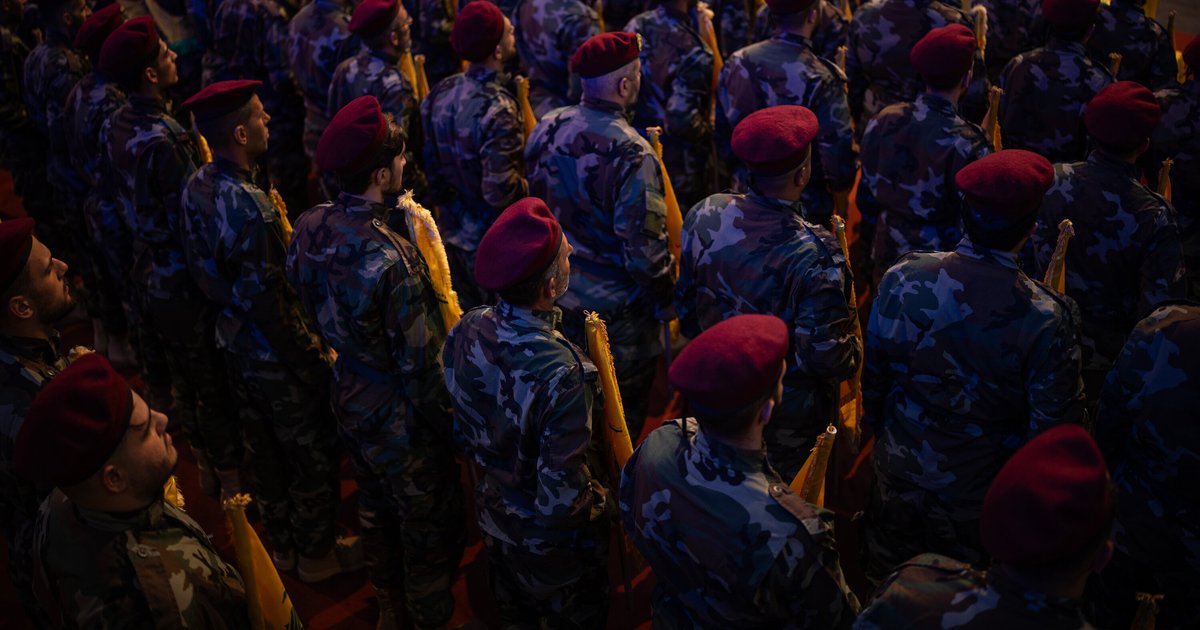
Doubts are increasing in Israel regarding the disarmament of Hezbollah, as many observers question the true objectives of a potential war on Lebanon. Amid escalating tensions, the discussion arises about whether this war will succeed in achieving its goals or exacerbate the situation in the region.
This debate comes at a sensitive time, as threats from Hezbollah are on the rise, with the group being one of the most prominent armed factions in Lebanon. Reports indicate that the group may have enhanced its military capabilities, complicating any potential military operation against it.
Details of the Current Situation
In recent days, the Israeli political landscape has witnessed a sharp division regarding how to deal with Hezbollah. Some military leaders believe that a military option is the only solution, while others prefer to seek diplomatic avenues. This division reflects the uncertainty surrounding the future of Israeli-Lebanese relations.
Despite this, there is a consensus that any military escalation could lead to severe consequences for both sides. Many analysts have warned that war could worsen the humanitarian situation in Lebanon, which is already suffering from economic and social crises.
Background & Context
Historically, relations between Israel and Lebanon have been tense, with the region witnessing several wars and conflicts. Since 2006, when the Second Lebanon War broke out, tensions between the two sides have not ceased. Hezbollah, which many consider a terrorist organization, enjoys significant popularity in Lebanon, making any military action against it complicated.
In recent years, threats from Hezbollah have increased, especially with the escalation of the conflict in Syria and its impact on Lebanon. Additionally, Iranian support for the group complicates matters further, as it is viewed as a direct threat to Israeli security.
Impact & Consequences
If war breaks out, the repercussions will be far-reaching. It may lead to mass displacement of Lebanese citizens, increasing the burden on neighboring countries. Furthermore, any military escalation could affect regional stability and intensify conflicts in the area.
Moreover, war could bolster Hezbollah's position in Lebanon, as it may be perceived as a defender of the homeland against aggression. This would complicate any future efforts to achieve peace in the region.
Regional Significance
The situation in Lebanon is part of the larger picture in the Arab region. Any escalation in Lebanon could impact neighboring countries, such as Syria and Palestine, where conflicts may intersect. Additionally, the situation in Lebanon could affect relations between Arab countries and Israel, especially in light of the normalization attempts witnessed in recent years.
In conclusion, the most pressing question remains: Will Israel succeed in achieving its military objectives against Hezbollah, or will the war lead to counterproductive outcomes that complicate the situation in the region?