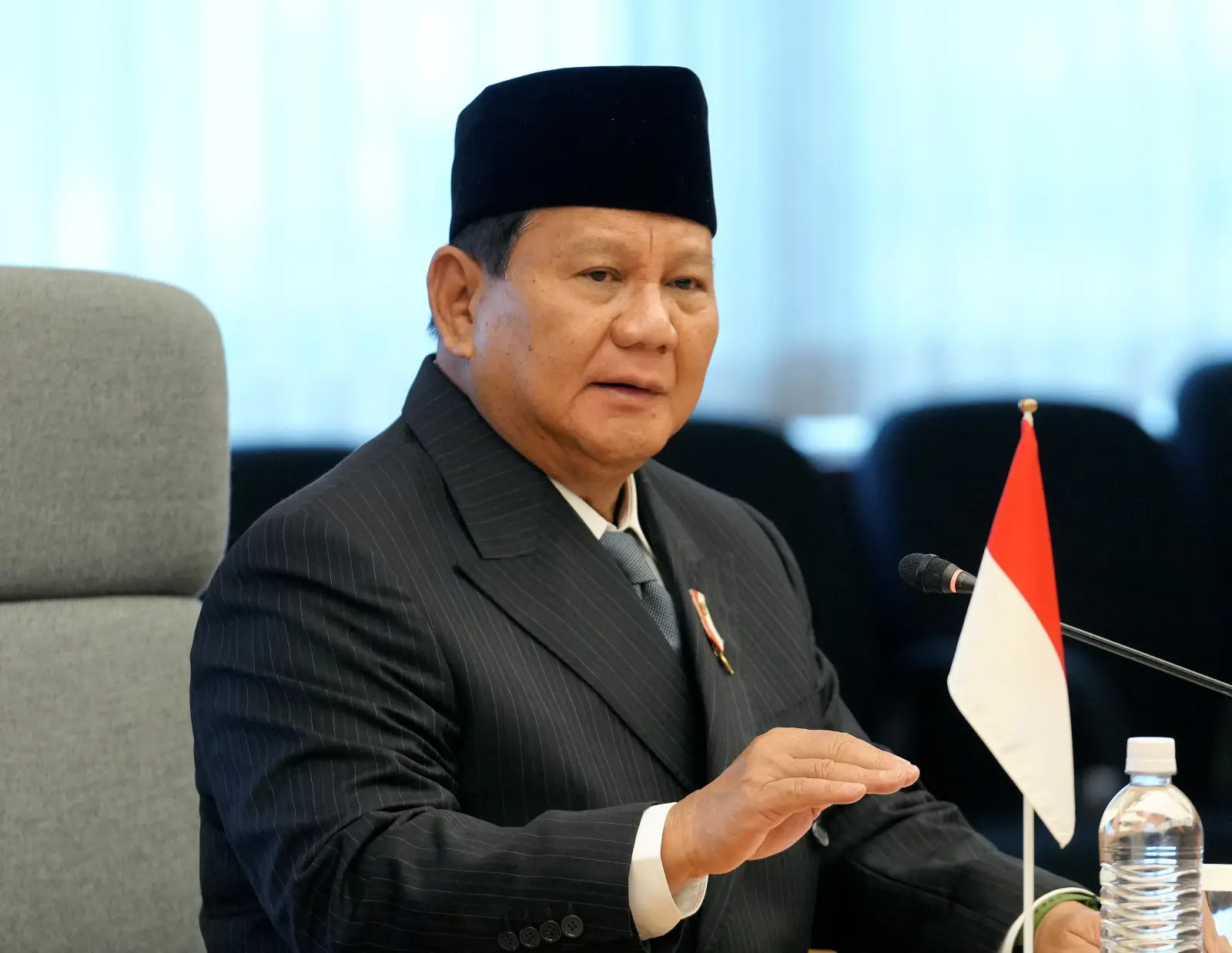
Recently, rumors have circulated on social media suggesting that former Indonesian President Susilo Bambang Yudhoyono and Infrastructure Minister Agus Harimurti Yudhoyono expressed support for abolishing the "Free Nutritious Food" (MBG) program in favor of free education up to higher education levels. These rumors sparked widespread debate in Indonesian circles, particularly on the Facebook platform.
According to the circulating post, Yudhoyono and his son were depicted together in a photo with text calling for the cancellation of the food program in favor of free education. However, no official statements from either figure have been found to confirm this claim, raising questions about the credibility of the information being shared.
Details of the Incident
After conducting thorough investigations, it was found that the image used in the post had been altered using artificial intelligence techniques, with image detection tools indicating a 99.9% likelihood that the photo is fake. Reports also confirmed that the "Free Nutritious Food" program remains active and operational in many Indonesian regions, undermining the credibility of the rumors that have spread.
In a statement, Muhammad Misbachun, head of the financial affairs committee in the Indonesian parliament, emphasized that the food program is a long-term investment aimed at improving the quality of life for the youth in the country. He noted that the government is committed to supporting this program as part of its efforts to enhance living standards.
Background & Context
Indonesia is one of the largest countries in Southeast Asia, facing significant challenges in education and health sectors. Over the years, the government has launched several programs aimed at improving living standards, including the "Free Nutritious Food" program, which aims to provide essential nutrition to children in schools. This program reflects the government's commitment to promoting children's health and providing a conducive educational environment.
On the other hand, free education up to higher education is a controversial topic in Indonesia, with many striving to achieve this goal. However, abolishing food support programs could lead to negative consequences for children's health, making it essential to maintain a balance between education and nutrition.
Impact & Consequences
These rumors highlight the importance of verifying information before sharing, especially in the age of social media where news spreads rapidly. The proliferation of false news can undermine trust between the government and citizens and negatively impact social programs aimed at improving people's lives.
Moreover, such rumors can distract attention from real issues that need addressing, such as improving education quality and providing healthcare. It is crucial to raise community awareness about how to handle information circulating online.
Regional Significance
This issue is particularly significant for Arab countries, where many face similar challenges in education and health. Raising awareness about the importance of social programs and supporting them can have a positive impact on communities. Additionally, verifying information before publication is a fundamental step in maintaining community stability.
In conclusion, everyone must act responsibly when dealing with information and strive to raise awareness about the importance of social programs aimed at improving the lives of individuals and communities.