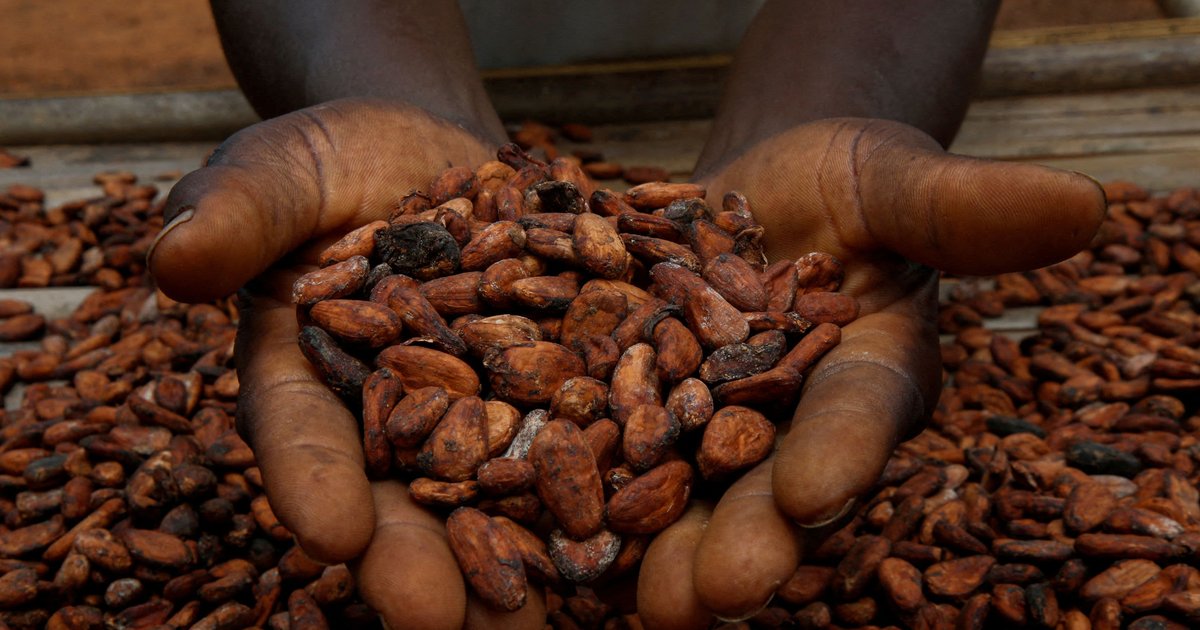
The Indonesian Ministry of Trade (Kemendag) announced a decline in cocoa prices in April 2026, with the reference price for cocoa dropping to $3,190.63 per ton, marking a decrease of $856.82 or 21.17% compared to March 2026. This decline reflects an increase in the supply of cocoa in global markets, while demand has not increased accordingly.
The Director General of Foreign Trade at the ministry, Tomi Andan, stated that this price drop is due to improved production in major cocoa-producing countries, leading to a significant increase in supply. However, there has not been a similar increase in demand, which negatively impacted prices.
Details of the Event
Cocoa prices in Indonesia are determined based on global market indicators, and the price for cocoa in April 2026 was set at $2,886 per ton, representing a 22.46% decrease from the previous month. Additionally, the customs duties on cocoa during the period from April 1 to April 30, 2026, were set at 5%.
In a related context, prices for other products such as leather remained unchanged, while some other products like synthetic resin experienced a slight price increase, rising by 1.44% to reach $916 per ton.
Background & Context
Indonesia is considered one of the leading cocoa-producing countries globally, playing a vital role in meeting global market needs. Historically, cocoa prices have experienced significant fluctuations due to various factors, including climate changes, trade policies, and global market conditions.
Cocoa prices have been particularly affected in recent years due to changes in production in major countries such as Côte d'Ivoire and Ghana, where agricultural and environmental challenges have led to fluctuations in supply. However, improvements in Indonesian production have contributed to a significant increase in supply.
Impact & Consequences
The decline in cocoa prices affects many sectors, including the chocolate and confectionery industries, as it can lead to lower production costs. However, Indonesian farmers may face challenges due to lower prices, impacting their income and ability to invest in agriculture.
Moreover, the price drop may affect investments in the cocoa sector, as investors may hesitate to inject more funds amid price instability. This situation could impact the future of the agricultural sector in Indonesia, necessitating measures to support farmers and improve their economic conditions.
Regional Significance
The Arab region is a significant consumer of cocoa and its products, with many Arab countries relying on cocoa imports to meet market needs. The price decline may provide an opportunity for Arab countries to acquire cocoa at lower prices, potentially boosting the chocolate and confectionery industry in the region.
However, Arab countries must pay attention to the impact of price fluctuations on farmers in producing countries, as supporting farmers and improving their conditions is essential to ensure sustainable production.