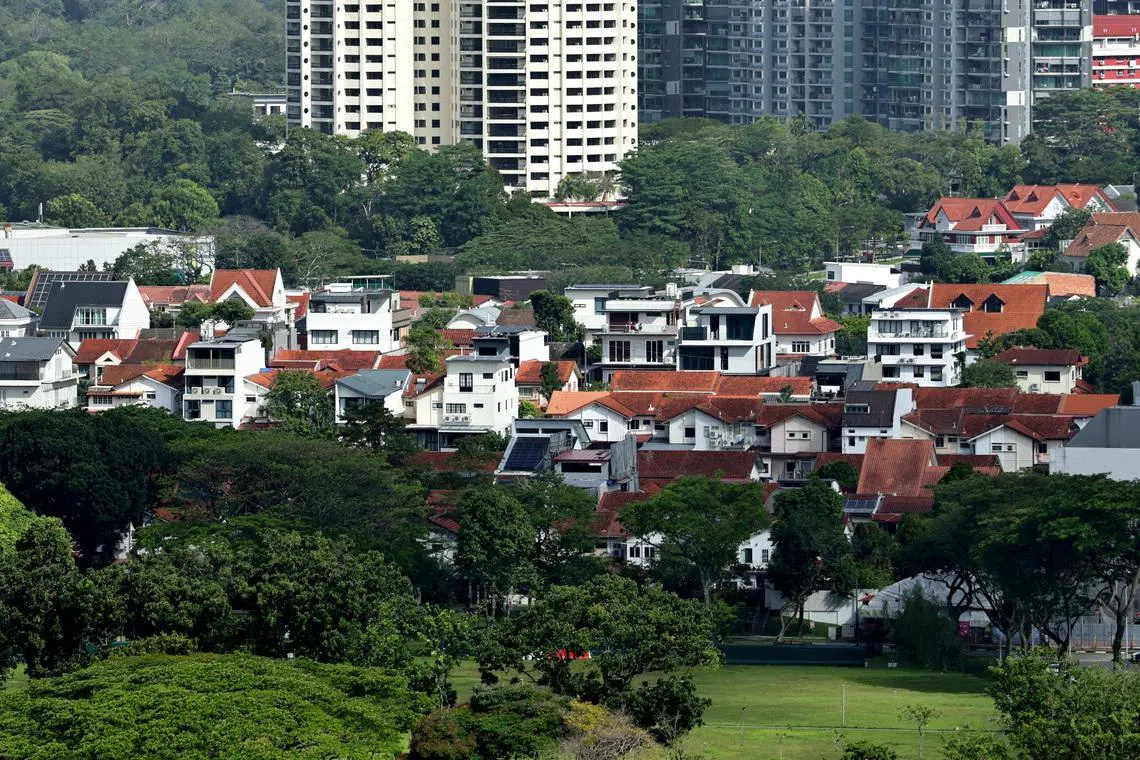
Private residential property prices have seen a notable decline for the third consecutive quarter, significantly impacted by falling land prices and weak sales volume. This downturn reflects major challenges facing the real estate market, raising questions about the future of the sector amid current economic conditions.
According to reports, the decrease in residential property prices comes at a time when the market is experiencing a decline in demand, leading to a substantial drop in sales volume. This trend shows that investors and potential buyers are adopting a cautious approach in their decision-making, increasing pressure on prices.
Details of the Event
Data shows that private residential property prices have decreased significantly, particularly influenced by land prices. This decline is not merely a transient phenomenon but reflects a shift in market dynamics, as buyers have become more cautious in their investments. Additionally, the weak sales volume indicates a decline in market confidence, complicating the situation further.
This price decline serves as a wake-up call for investors and developers, who must reassess their strategies in light of these changing conditions. The continuation of this trend could lead to negative impacts on the economy as a whole, as many sectors rely on the health of the real estate market.
Background & Context
Historically, real estate markets have experienced significant fluctuations, but what is happening today can be considered one of the most challenging periods. Markets have been affected by several factors, including global economic changes, rising interest rates, and increased construction costs. These combined factors have led to a decline in market confidence, contributing to falling prices.
In recent years, many major cities around the world have witnessed a drop in property prices, reflecting changes in supply and demand. However, the current situation requires investors and developers to think strategically to ensure the sustainability of their businesses under these difficult circumstances.
Impact & Consequences
The decline in property prices can have widespread effects on the economy. When property prices fall, many sectors, including construction, finance, and services, are affected. Additionally, falling prices may lead to a loss of confidence in the market, deterring investors from entering new projects.
Furthermore, the decline in prices may impact individuals who own properties, as they may find themselves in a difficult financial position if the value of their assets decreases. This situation could lead to an increase in defaults, putting additional pressure on the financial system.
Regional Significance
In the Arab region, this decline in property prices could have significant effects, as many countries rely on the real estate sector as one of the main drivers of their economies. If this trend continues, it could lead to a decrease in investments in the sector, negatively affecting economic growth.
Moreover, the decline in property prices may increase social pressures, as individuals may find it difficult to purchase homes. This situation could widen the gap between social classes, necessitating government action to support the real estate market and stimulate demand.
In conclusion, the decline in private residential property prices poses a significant challenge to the market, requiring all stakeholders to consider new strategies to adapt to these conditions. Understanding the factors affecting the market can help in making better decisions in the future.