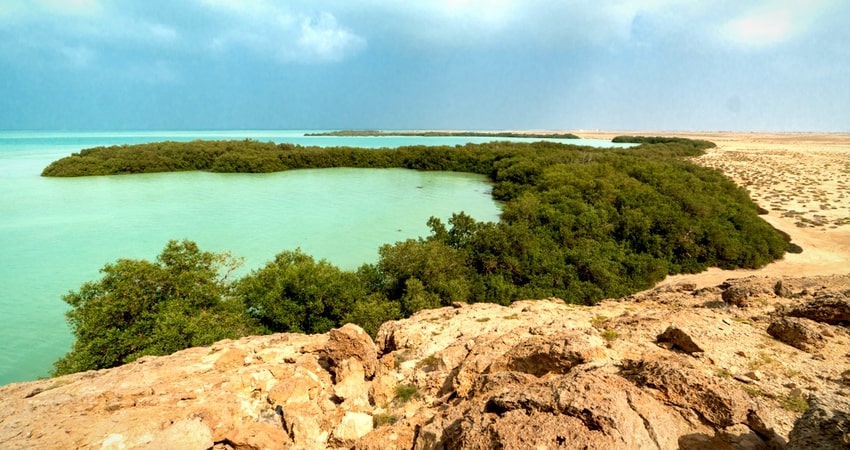
The waters of Farasan Islands in Saudi Arabia are adorned with schools of Hareed fish, which appear during specific seasons, enhancing the beauty of the marine nature. This environmental phenomenon attracts tourists and highlights the biodiversity of the region.
Hareed fish are considered a distinctive marine species that are abundant in the waters of Farasan Islands, where their large schools create a stunning natural scene that captivates onlookers. This type of fish typically appears during certain seasons of the year, making it a part of the unique marine ecosystem that the islands enjoy.
Event Details
Hareed fish are found in the waters of Farasan Islands seasonally, migrating to the area in search of food and reproduction. This phenomenon is not only a magnet for divers and nature lovers but also contributes to enhancing eco-tourism in the region. Farasan Islands are among the prominent tourist destinations in the Kingdom, known for their natural beauty and biological diversity.
Farasan Islands witness a significant influx of visitors during the season when Hareed fish appear, allowing tourists to enjoy close encounters with these fish. The area also offers opportunities for diving and swimming, making it an ideal destination for families and adventure enthusiasts.
Background & Context
Farasan Islands are part of the Jazan region and are characterized by their rich biological diversity. The islands host a variety of marine organisms, including coral reefs and colorful fish. This diversity makes them one of the protected marine areas in the Kingdom, where the Saudi government strives to preserve the marine environment and promote eco-tourism.
Historically, Farasan Islands were known for their strategic location on maritime trade routes. Over time, these islands have become a favored tourist destination for visitors both from within the Kingdom and abroad, contributing to the development of the tourism infrastructure in the region.
Impact & Consequences
The phenomenon of Hareed fish appearance contributes to raising environmental awareness among visitors, encouraging them to care for the marine environment. This phenomenon also supports the local economy by increasing the number of tourists, which leads to improved living standards for local residents.
Eco-tourism is one of the vital sectors in the Kingdom, as the government aims to develop this sector as part of Vision 2030. By promoting eco-tourism, the Kingdom can contribute to preserving biodiversity and enhancing sustainable development.
Regional Significance
Farasan Islands serve as a model for eco-tourism in the Arab region. Other countries can benefit from the Kingdom's experience in promoting eco-tourism and preserving biodiversity. This type of tourism can also contribute to enhancing regional cooperation in environmental protection.
In light of the environmental challenges facing the region, preserving biodiversity and promoting eco-tourism are priorities. These efforts can improve the quality of life for residents and boost the local economy.
In conclusion, Hareed fish remain a symbol of natural beauty in Farasan Islands, and this environmental phenomenon serves as an invitation for visitors to enjoy the beauty of nature and preserve it.