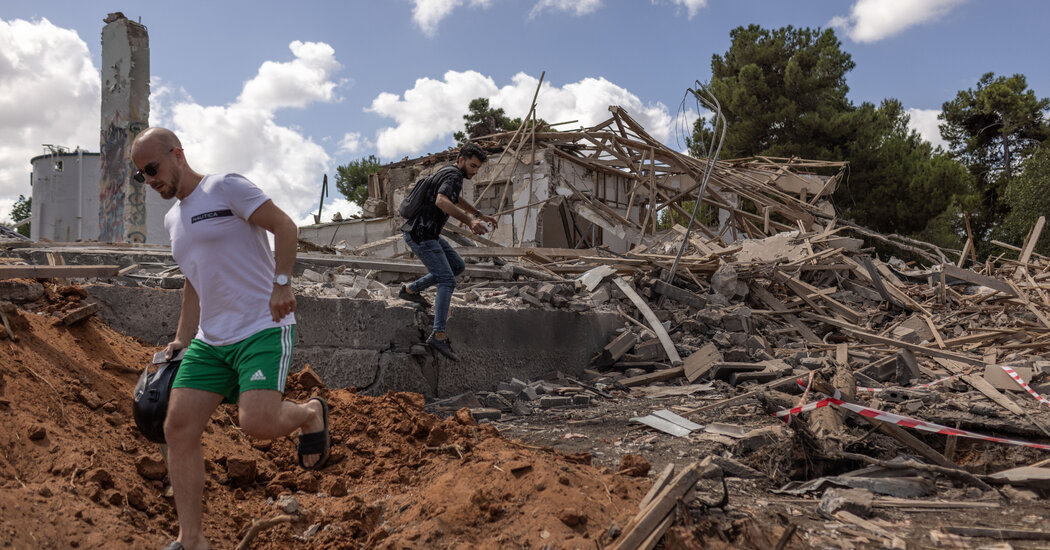
The Azadi indoor stadium in Tehran, Iran, was destroyed due to a joint attack by the United States and Israel on March 5. The stadium, which accommodates 12,000 spectators, was primarily used for volleyball matches and is located within the largest sports complex in Iran.
The attack on the stadium comes amid escalating tensions between Iran and both the United States and Israel, as both countries seek to implement their strategies in the region. The attack not only resulted in the destruction of the sports facility but also provoked widespread reactions from Iranian officials and the international community.
Details of the Incident
The stadium targeted in the attack is part of the Azadi Sports Complex, which includes a range of other sports facilities. The attack caused significant damage to the stadium's infrastructure, raising concerns about the future of sporting events in the country. Reports indicate that the attack was carried out using drones, reflecting a development in military attack methods.
These events occur at a highly sensitive time, as the region witnesses an escalation in military and political tensions. Military sources confirmed that the attack aimed to weaken Iran's ability to organize sporting events, which are considered part of the national identity.
Background & Context
Historically, relations between Iran and the United States have been tense, especially since the Islamic Revolution in 1979. These tensions have intensified in recent years, with increased Israeli military activities against Iran. The attack on Azadi Stadium represents a new step in this ongoing conflict and reflects the challenges Iran faces in maintaining its sovereignty and security.
Iran, which considers sports an important part of its culture, now faces direct threats affecting its ability to host sporting events. The attack on Azadi Stadium is not merely an assault on a sports facility but an attack on Iranian national identity.
Impact & Consequences
The attack on Azadi Stadium could have far-reaching consequences at both the regional and international levels. It is likely to escalate tensions between Iran and the United States, which may impact regional security. Additionally, this attack could affect Iran's relations with other countries, especially those seeking to improve ties with Tehran.
Moreover, the destruction of Azadi Stadium may impact sports in Iran as a whole, potentially leading to the cancellation or postponement of many important sporting events. This situation could affect the morale of the Iranian people, who view sports as part of their culture and identity.
Regional Significance
The attack on Azadi Stadium may have direct implications for Arab countries, particularly those that share relations with Iran. This escalation could increase tensions in the region, impacting security and stability in neighboring countries. Furthermore, this event may raise concerns among Arab nations regarding the potential for military conflicts to escalate in the region.
Ultimately, the attack on Azadi Stadium represents a turning point in the ongoing conflict between Iran, the United States, and Israel, reflecting the challenges faced by the region amid rising military and political tensions.