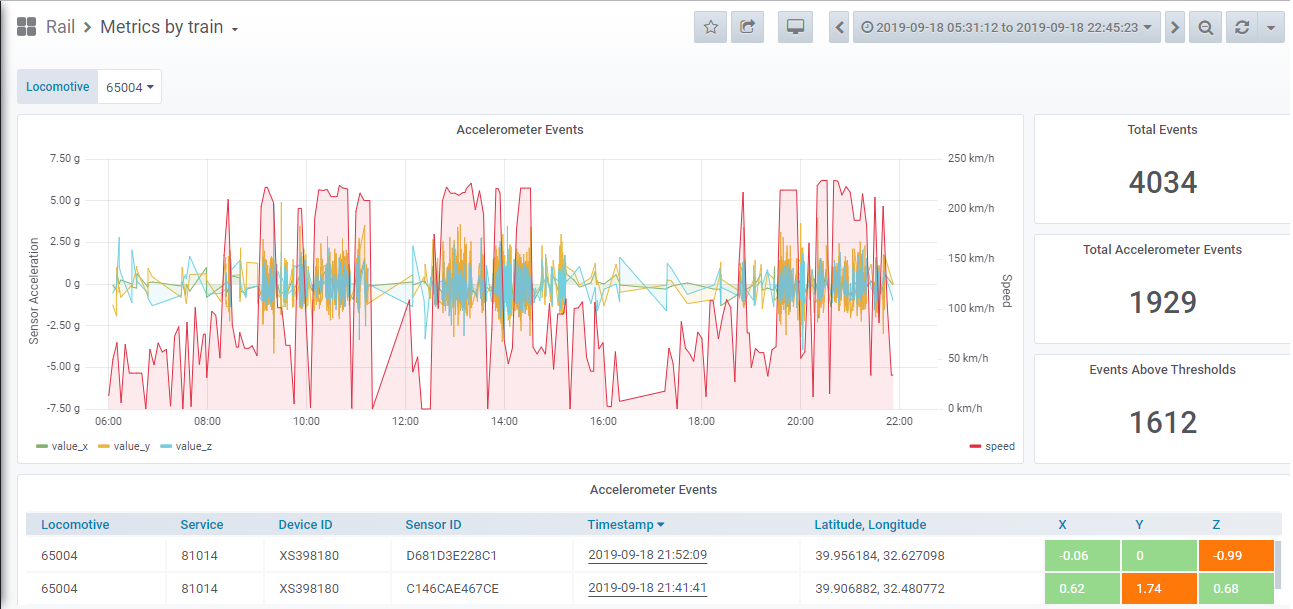
The National Research and Innovation Agency (BRIN) in Indonesia has announced the development of a monitoring system for train accidents in response to a recent tragic incident where the Argo Parahyangan train collided with an electric train in the Bekasi area, resulting in casualties. This new system aims to enhance railway safety by providing real-time monitoring of track conditions over bridges.
In his statements, BRIN's head Ari Satriya confirmed that this system is part of a comprehensive effort to improve the railway infrastructure in Indonesia, addressing not only technical concerns but also social and legal aspects.
Details of the Incident
Ari noted that the developed system is known as the Structural Health Monitoring System (SHMS), which can significantly impact train safety. This system will enable the national railway company PT KAI to continuously monitor the condition of bridges, facilitating quick decision-making to prevent accidents.
He further explained that BRIN has conducted in-depth studies related to the performance of high-speed trains and the development of new signaling systems. These studies encompass a range of technologies being developed by the agency's researchers, reflecting their commitment to enhancing the railway system in the country.
Background & Context
Historically, Indonesia has witnessed numerous train accidents that have affected passenger safety. With the increasing number of passengers and reliance on railways as a mode of transport, it has become essential to develop new technologies to ensure safety. The development of a real-time monitoring system represents a significant step towards achieving this goal.
Moreover, Indonesia aims to strengthen cooperation with local companies such as PT Industri Kereta Api (INKA) in Madiun, reflecting its desire to improve the quality of railway services and foster innovation in this sector.
Impact & Consequences
The development of this system could have positive effects on public safety levels in Indonesia. By improving infrastructure monitoring, accidents can be significantly reduced, thereby enhancing passenger confidence in using railway services. Additionally, this system may contribute to improving the operational efficiency of the railway network.
However, challenges associated with implementing these new technologies must be considered, including the need for staff training and ensuring compatibility with existing systems. Addressing these challenges will be crucial for the success of the new system.
Regional Significance
Although this news pertains to Indonesia, there are lessons that Arab countries can learn. With the increasing reliance on railways as a means of transport in many Arab nations, it is vital to enhance the safety of these networks. The technologies used in Indonesia could serve as a model for improving railway systems in the region.
In conclusion, the development of a monitoring system for train accidents in Indonesia is an important step towards enhancing safety and improving infrastructure, which could have positive impacts on transportation levels in the country and the region.