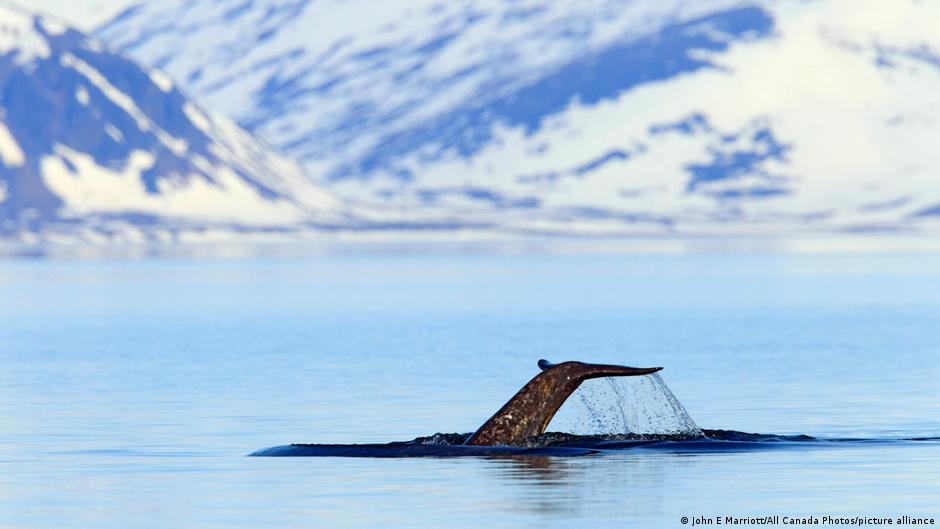
Narwhals, also known as the 'unicorns of the sea,' symbolize the frozen waters of Canada. However, these marine creatures are encountering significant challenges due to the rising noise from shipping activities in the region. Researchers believe that this noise may be linked to the decline in narwhal populations in northern Canada.
Alex Ottowak, a resident of the Mitimatalik area, recalls his childhood memories of narwhal migrations in the icy waters. He states, 'It was like an endless scene of whales swimming continuously in the same direction.' Yet, these sightings have become rare in recent years, as fishermen have noticed a significant decrease in narwhal numbers.
Event Details
Over 80,000 narwhals inhabit northeastern Canada and Greenland, where narwhal meat serves as a vital source of protein, iron, and vitamin C for Inuit communities. However, the number of narwhals in the region has drastically decreased, plummeting from over 20,000 whales in the early 2000s to around 2,000 by 2021.
Researchers believe that climate change plays a role in this decline, as the region is experiencing temperature increases at a rate four times faster than the rest of the world. Nevertheless, the changes in narwhal populations have occurred more rapidly than can be explained by climate change alone, raising questions about the impact of noise from shipping activities.
Background & Context
In 2015, Baffinland Iron Mines Corporation opened a port near Mitimatalik, leading to a significant increase in shipping traffic. In just two years, approximately 4 million tons of iron ore were shipped through the waters, significantly raising noise levels. Ottowak and other researchers have established listening stations to monitor the effects of this noise on narwhals.
Studies have shown that narwhals avoid areas where ships approach, ceasing to feed and moving away from fishing zones. Local fishermen have also observed changes in narwhal behavior, noting that they have become more cautious in the presence of vessels.
Impact & Consequences
Marine noise poses a significant threat to narwhals, as these creatures rely on echolocation for communication and hunting. High noise levels affect their ability to locate prey, leading to population declines. Researchers warn that these changes could have dire consequences for the marine ecosystem in the region.
Moreover, the increase in shipping traffic in marine corridors may exacerbate the problem, as companies seek to exploit the increasingly accessible frozen waters. This necessitates the implementation of stringent policies to protect narwhals and the marine environment.
Regional Significance
Although this event is occurring in Canada, it has global implications. Climate and environmental changes affect all countries, including Arab nations facing similar challenges. It is crucial to learn from these experiences and develop strategies to preserve biodiversity in our regions.
In conclusion, protecting narwhals and the marine environment requires international cooperation and greater awareness from local communities and industries. Continuous efforts must be made to conserve these unique creatures and ensure their sustainability for future generations.