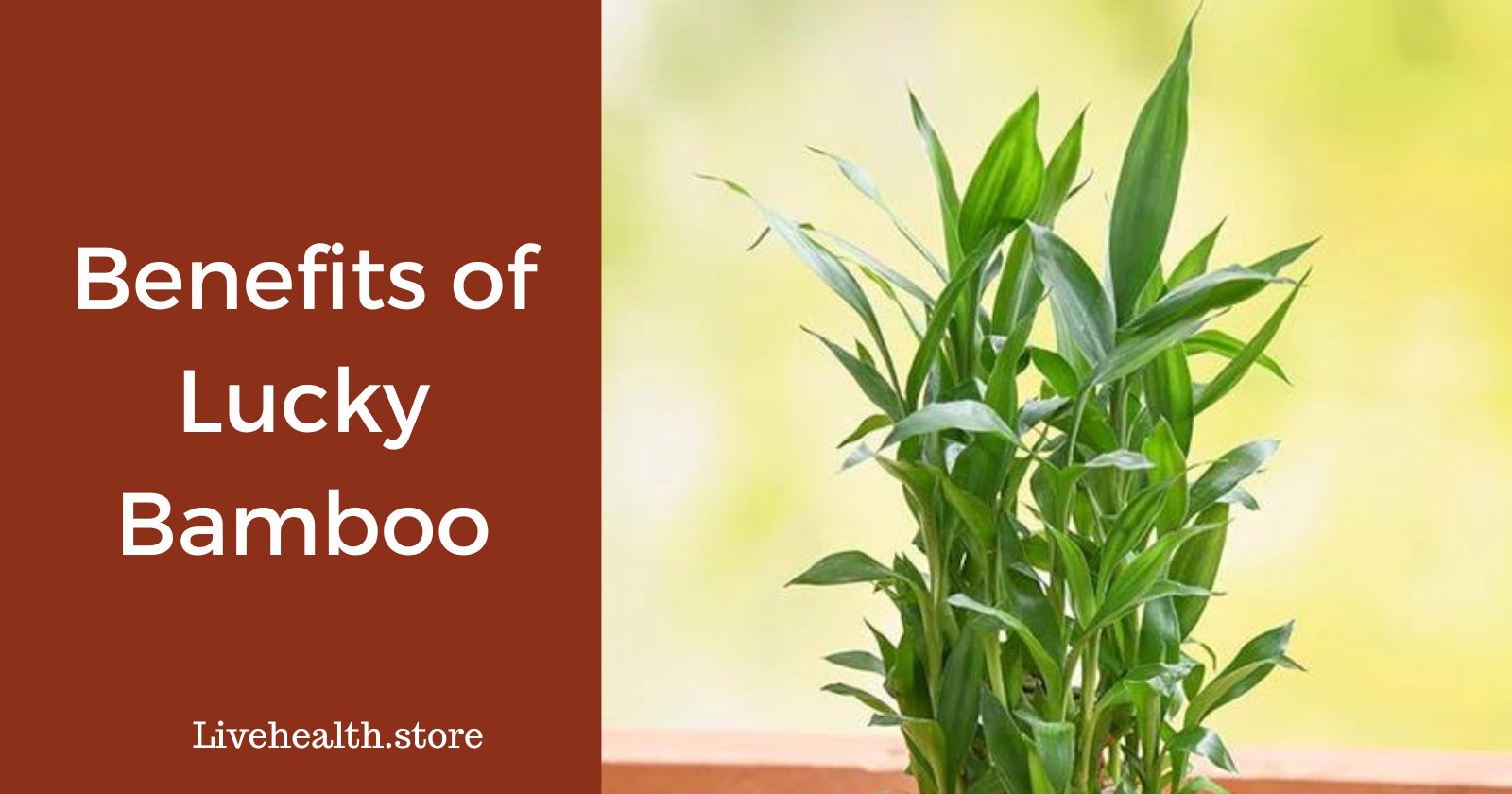
Bamboo is one of the plants that boasts multiple nutritional and health benefits, yet its consumption requires certain conditions to ensure these benefits are achieved. Research has shown that bamboo is high in fiber and vitamins, making it an excellent choice for many diets.
However, consumers must be cautious when consuming bamboo, as some species contain toxic compounds that can adversely affect health if consumed in large quantities or improperly.
Details of the Event
The benefits of bamboo are numerous, as it is a rich source of vitamins such as Vitamin C and Vitamin K, in addition to minerals like calcium and magnesium. The fiber present in bamboo promotes digestive health and helps regulate blood sugar levels.
Nevertheless, consumers should be aware that some types of bamboo contain a compound called cyanide, which can be harmful if consumed in large amounts. Therefore, it is essential to consume only safe species that have been properly processed before eating.
Background & Context
Historically, bamboo has been used in many cultures as both food and medicine. In some Asian countries, bamboo is considered a staple part of the diet, where it is used in the preparation of many traditional dishes. As awareness of the health benefits of natural foods increases, interest in bamboo has been rising in other parts of the world.
Despite its benefits, more research is needed to fully understand its health effects, especially given the increasing consumption of bamboo in modern diets.
Impact & Consequences
The health benefits of bamboo present an opportunity to enhance proper nutrition, but there should be awareness campaigns for consumers on how to safely consume it. Proper consumption of bamboo can lead to improved overall health and reduced risks of certain chronic diseases.
On the other hand, there should be regulation of the types of bamboo available in markets to ensure that no toxic varieties could affect consumers' health. Additionally, promoting sustainable bamboo farming can contribute to food security in many regions.
Regional Significance
In the Arab region, bamboo can play a significant role in enhancing dietary diversity. With the growing interest in sustainable agriculture, bamboo could be considered a good option for cultivation in areas with suitable climatic conditions.
Moreover, incorporating bamboo into Arab diets could improve public health, especially in light of the food challenges faced by many countries in the region.
In conclusion, bamboo is considered an ideal food, provided it is consumed with caution and an understanding of the appropriate types. Consumers must be aware of potential risks and seek the necessary information to ensure safe consumption of this food.