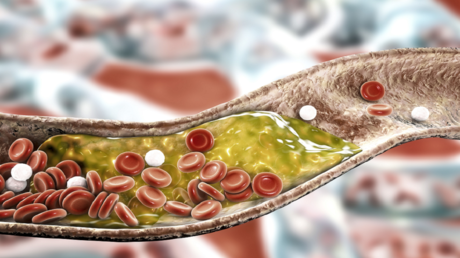
Cardiologists reveal two types of foods that can significantly reduce harmful cholesterol levels in the blood, offering a natural alternative to statin medications. These foods, known for their numerous health benefits, can lead to noticeable improvements in heart health within a short period.
These foods include sources rich in fiber and healthy fats, which play a vital role in regulating cholesterol levels. By incorporating these foods into their daily diet, individuals can achieve positive results in their cardiovascular health.
Details of the Findings
Experts report that foods containing soluble fiber, such as oats and fruits, along with healthy fats found in nuts and avocados, can contribute to lowering harmful cholesterol. These foods work by reducing cholesterol absorption in the intestines, leading to lower levels in the bloodstream.
Experts also noted that regularly consuming these foods can have positive effects on heart health, as they can help reduce the risk of cardiovascular diseases. Studies have shown that individuals following a diet rich in these foods tend to have better cholesterol levels compared to those who do not include them in their diet.
Background & Context
The issue of high cholesterol levels is a common health concern worldwide, affecting millions of people. In recent years, research has increased regarding how to improve heart health through nutrition, leading to new discoveries about foods that can play a role in lowering cholesterol.
Statin medications are among the most commonly used drugs for treating high cholesterol; however, they may come with side effects. Therefore, the search for natural alternatives has become essential for many patients seeking to improve their health without relying on medication.
Impact & Consequences
Incorporating these foods into the diet can have far-reaching effects on overall health. As awareness of the importance of healthy nutrition grows, more individuals may turn towards better dietary choices, contributing to lower rates of heart disease.
This information also paves the way for future research on how nutrition can be used as a means of disease prevention, highlighting the importance of nutritional awareness in communities.
Regional Significance
In the Arab region, where rates of obesity and heart diseases are rising, these discoveries can serve as a call to adopt healthier eating patterns. With many foods rich in fiber and healthy fats available in local markets, individuals can benefit from them to improve their health.
Moreover, these initiatives can help raise health awareness among younger generations, leading to a healthier and more nutrition-conscious society.
In conclusion, incorporating foods that help lower cholesterol into the diet is an important step towards improving heart health. As public interest in overall health increases, this information can guide individuals towards making better dietary choices.