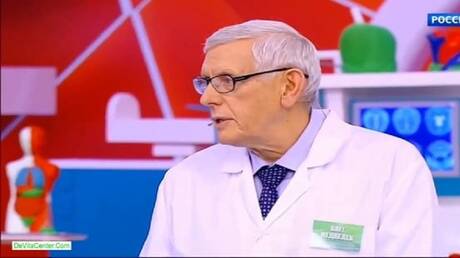
Oleg Medvedev, head of the pharmacy department at Moscow State University, has reported that hydrogen may play a crucial role in reducing the side effects of radiation therapy for tumors. This discovery could contribute to improving the quality of life for patients undergoing this type of treatment, enhancing their chances of living longer.
In recent years, research has increased regarding the impact of hydrogen on public health, with studies showing that it possesses antioxidant properties. These properties may help protect cells from damage caused by radiation therapy, making hydrogen a potential factor in promoting longevity.
Event Details
Medvedev spoke during a scientific conference focused on recent research in the field of pharmacy, where he presented results from studies indicating that using hydrogen as a dietary supplement can reduce common side effects of radiation therapy, such as fatigue and nausea. He also noted that hydrogen could contribute to improving the effectiveness of the treatment itself.
These findings are intriguing, as radiation therapy is one of the most widely used treatments in combating tumors, yet it has side effects that negatively impact patients' quality of life. Therefore, any advancement in this area could have a significant effect on patient care.
Background & Context
Historically, radiation therapy has relied heavily on traditional techniques, but with advancements in medical science, research has begun to explore new ways to improve outcomes. Hydrogen, a common element in nature, has started to gain attention as an alternative or complementary treatment.
In recent years, numerous studies have been conducted on the benefits of hydrogen, including its effects on inflammation and chronic diseases. This new research reflects a growing trend toward seeking safer and more effective treatments.
Impact & Consequences
If future research proves the effectiveness of hydrogen in reducing the side effects of radiation therapy, it could lead to significant changes in how tumors are treated. This could improve patients' quality of life, potentially encouraging more individuals to seek treatment.
Furthermore, this discovery could open new avenues in medical research, allowing for the exploration of hydrogen's use in other areas of medicine, such as chronic diseases or even in promoting public health.
Regional Significance
In the Arab region, where cancer rates are rising, this discovery could have a substantial impact. If hydrogen is adopted as an adjunct treatment, it could enhance patient care and reduce the health burdens on healthcare systems.
Moreover, promoting research in this field could encourage Arab countries to invest in medical sciences, thereby enhancing their standing in the global scientific arena.
In conclusion, Oleg Medvedev's discovery represents an important step toward improving available treatments for patients and reflects the significance of scientific research in promoting public health and longevity.