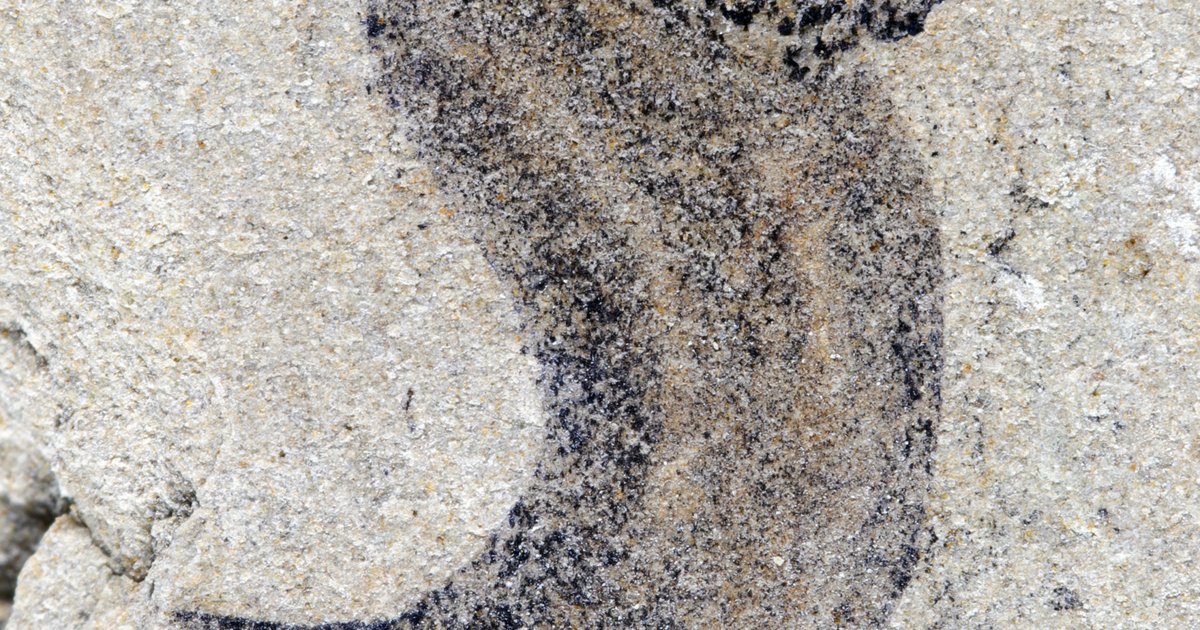
Paleontologists have unveiled a new collection of fossils that includes species from the Ediacaran and Cambrian periods, indicating significant biological transitions. These discoveries, found at multiple sites, enhance our understanding of the evolution of life on Earth and open new avenues for studying ancient animal forms.
Studies suggest that these fossils date back to a time before the Cambrian period, implying that life on Earth was more complex than previously thought. Scientists believe that these discoveries will help clarify how different species evolved and interacted with their environments.
Details of the Discovery
The new fossils were discovered in several locations around the world, demonstrating the diversity of life during those time periods. The fossils include multiple types of organisms, indicating the presence of a complex ecosystem prior to the Cambrian period. This discovery reflects the environmental changes that occurred during those times and how they affected the evolution of life.
Scientists analyzed these fossils using advanced techniques, allowing them to gain a better understanding of the biological diversity that existed during those eras. Preliminary results suggest that some of these species shared characteristics with modern living organisms, paving the way for further research on the evolution of life.
Background & Context
The Ediacaran and Cambrian periods represent critical times in Earth's history, witnessing the emergence of complex life forms. These periods precede what is known as the Cambrian explosion, a historical event marked by a tremendous diversity of marine life. Previous studies focused on organisms that appeared during this explosion, but new discoveries indicate that life was present and diverse long before that.
Historically, the periods preceding the Cambrian were considered poor in terms of biodiversity, but these discoveries may challenge that notion. Scientists are now working to reevaluate the traditional understanding of life's evolution on Earth.
Impact & Consequences
These discoveries could significantly impact our understanding of life's evolution on Earth. If life began to exhibit complexity before the Cambrian period, it suggests a need to reconsider how species are classified and evolved. Scientists believe that these findings may lead to changes in educational curricula related to biology and evolution.
Furthermore, these discoveries may open new avenues for research in other fields such as ecology and geology. A better understanding of life's evolution can aid in addressing current environmental issues by providing insights into how species respond to environmental changes.
Regional Significance
For the Arab region, these discoveries highlight the importance of scientific research in understanding the history of life on Earth. Arab countries possess sites rich in fossils that could reveal valuable information about the history of life in the region. Enhancing research in this field could contribute to the development of scientific tourism and elevate the status of Arab countries as centers for scientific research.
In conclusion, these new discoveries open wide horizons for understanding the history of life on Earth, reinforcing the importance of scientific research and underscoring the role of scientists in exploring the mysteries of nature.