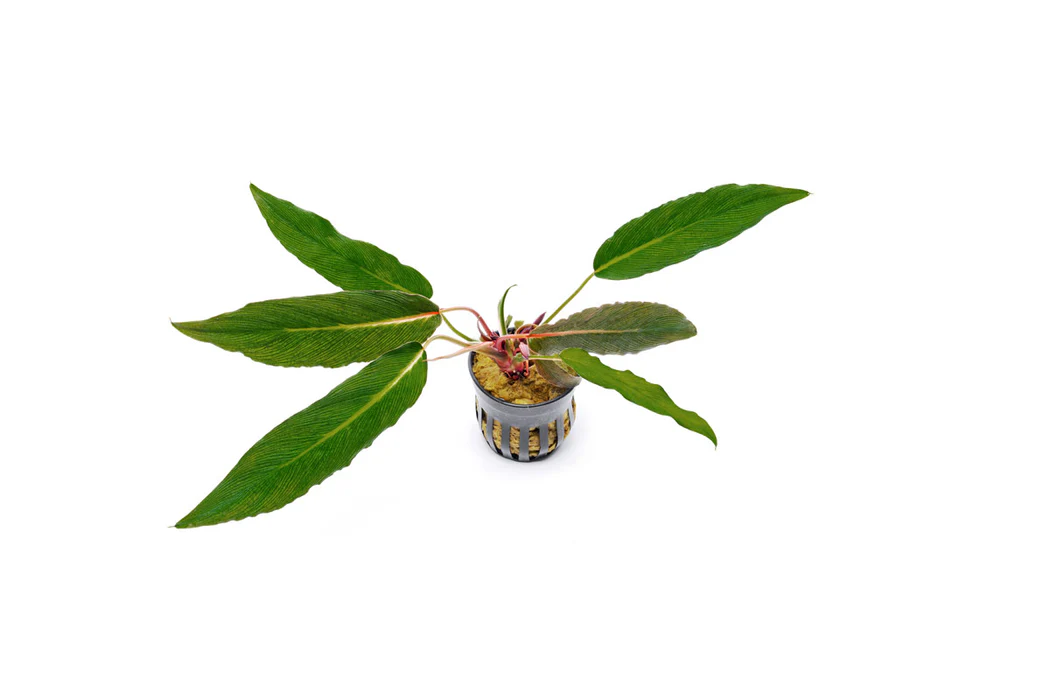
Researchers have unveiled a new plant species named Homalomena bungamerah in North Sumatra, which has been proposed for classification as endangered. This discovery was published in the International Taiwan Journal on March 17, 2026, by a team of researchers including Winnie A. Mustaqim, Arifin S. D. Irsyam, and Mohammad R. Hari.
This plant is unique as it grows on rock surfaces instead of moist soil, making it particularly vulnerable. Arifin, one of the researchers, noted that the number of known plants of this species is extremely limited, as they have only been found in one location.
Details of the Discovery
These discoveries are part of ongoing efforts to understand biodiversity in Indonesia, where Homalomena bungamerah exemplifies plants that require urgent protection. According to standards set by the International Union for Conservation of Nature, this plant faces multiple threats, including exploitation by humans and habitat degradation.
The leaves of this plant are characterized by a rough texture and a curled shape, distinguishing it from other species. Researchers have emphasized the importance of protecting the habitats of this species before it faces the risk of extinction permanently.
Background & Context
Historically, Indonesia is considered one of the richest countries in biodiversity, hosting a wide array of plant and animal species. However, many of these species face threats due to human activities such as deforestation and urban expansion. This new discovery serves as evidence of the urgent need to protect the environment.
The efforts of researchers are complemented by local communities, as two young individuals from the village of Kombong Gotong Ruoyong contributed to this discovery, reflecting the importance of collaboration between science and local communities in preserving biodiversity.
Impact & Consequences
This discovery acts as a wake-up call regarding the state of biodiversity in Indonesia. If urgent actions are not taken to protect threatened species, we may lose a part of our natural heritage that cannot be replaced. This discovery highlights the importance of scientific research in understanding biodiversity and its challenges.
It also underscores the necessity of establishing nature reserves to protect endangered species. Preserving these species is not only the responsibility of the government but also requires the involvement of local communities and researchers.
Regional Significance
Although this discovery pertains to Indonesia, issues related to biodiversity are of concern to all countries, including Arab nations. Many Arab countries face similar challenges regarding biodiversity conservation, such as desertification and habitat degradation. Indonesian experiences can serve as inspiration for Arab countries in their efforts to preserve biodiversity.
In conclusion, the discovery of Homalomena bungamerah is a significant step towards raising awareness about the importance of biodiversity conservation. It requires collective efforts from all stakeholders to ensure the protection of this species and its habitats.