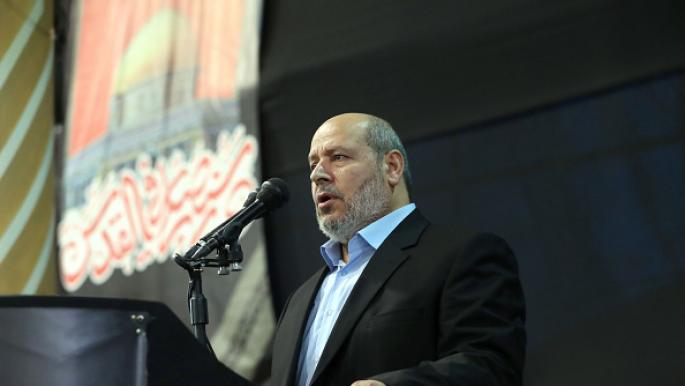
On Thursday, Khalil Hayya, head of Hamas in Gaza, spoke with Iranian Foreign Minister Abbas Araghchi about the latest developments in Palestine. This call comes at a time when the region faces numerous political and security challenges, reflecting the importance of coordination between Palestinian factions and their supporting nations.
During their conversation, Hayya and Araghchi addressed the current situation in Palestine, including the Israeli military escalation in the West Bank and Gaza Strip. They also discussed ways to enhance cooperation between Hamas and Iran, particularly in light of the current circumstances that require Palestinian unity to confront challenges.
Details of the Event
This call occurs during a sensitive time as Israel continues its military operations in the West Bank, raising increasing concerns within Palestinian circles. Hayya emphasized the necessity of supporting Palestinian resistance against the occupation, underscoring the significance of Iranian support in this context.
The meeting also touched on the humanitarian situation in Gaza, where residents are suffering from a suffocating blockade and difficult living conditions. Araghchi reaffirmed Iran's steadfast position in supporting Palestinian rights, stressing the importance of providing urgent humanitarian assistance.
Background & Context
Historically, the relationship between Hamas and Iran has been central to the Palestinian-Israeli conflict. Iran is considered one of the main supporters of Hamas, providing both financial and military assistance. This relationship has experienced fluctuations over the years but remains strong under the current circumstances.
In recent years, the region has witnessed an escalation of tensions, particularly following several rounds of escalation between Palestinian factions and the Israeli army. This escalation occurs amid political crises in the region, complicating the situation further.
Impact & Consequences
These communications between Hamas and Iran may enhance coordination among Palestinian factions, potentially altering the dynamics of the conflict in the region. Additionally, Iranian support for Hamas could increase tensions with Israel, which views Iran as a strategic threat.
These developments are likely to impact future negotiations between Palestinians and Israelis, as Palestinian factions may adopt a more hardline stance in light of increased Iranian support.
Regional Significance
The implications of this call extend beyond Palestine, potentially affecting relations between Arab countries and Iran. Amid current tensions, some Arab nations may adopt more cautious positions towards Iran, while others might seek to enhance cooperation with Tehran in facing common challenges.
Furthermore, the situation in Palestine could influence security and stability across the region as a whole, necessitating a unified Arab response to address these challenges.
The call between Hayya and Araghchi reflects the importance of coordination among Palestinian factions and their supporting countries under the current circumstances. It highlights the urgent need to support Palestinian rights in the face of Israeli occupation.