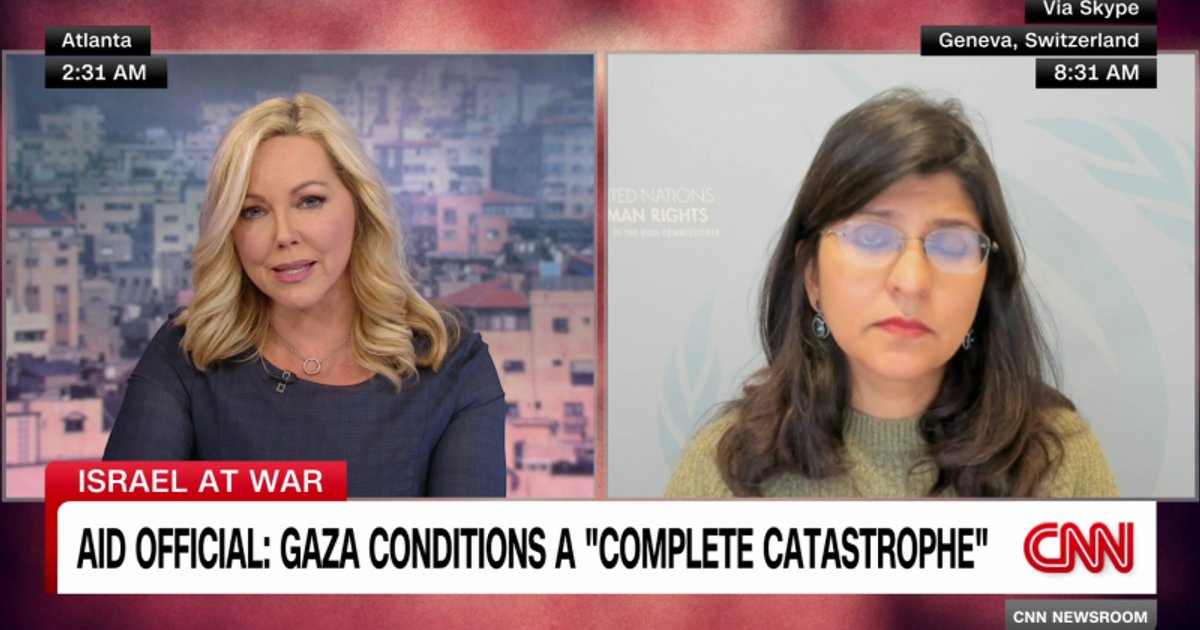
Jordanian Foreign Minister Ayman Safadi and Palestinian Foreign Minister Riyad Al-Maliki convened in Amman to address the worsening humanitarian and economic situation in the Gaza Strip. This meeting occurs during a sensitive period, as residents of Gaza face significant challenges due to the ongoing blockade and military operations.
During the meeting, Safadi emphasized the urgent need for intensified international efforts to provide humanitarian aid to the people of Gaza, highlighting the importance of international support for Palestine in these difficult circumstances. Al-Maliki pointed out the negative impact of the blockade on the daily lives of Palestinians, calling for immediate action to end their suffering.
Details of the Meeting
This discussion is part of ongoing efforts to alleviate the suffering of Gaza's residents, who are experiencing severe shortages of food, water, and electricity. Safadi noted that the situation in Gaza requires an urgent response from the international community, warning that the continuation of current conditions could exacerbate humanitarian crises.
The importance of Palestinian unity in facing challenges was also addressed, with Al-Maliki stressing the need to enhance cooperation among Palestinian factions to achieve common goals. An agreement was reached on the significance of coordination between Jordan and Palestine in this context.
Background & Context
Historically, Gaza has witnessed numerous humanitarian crises due to ongoing conflicts and the blockade imposed for over a decade. These crises have led to a deterioration of the economic and social situation, forcing residents to live under harsh conditions. Additionally, the politically unstable environment in the region complicates potential solutions.
In recent years, various Arab and international countries have attempted to provide support to Gaza, but significant challenges remain. This meeting between Safadi and Al-Maliki represents an important step towards strengthening Arab cooperation in addressing humanitarian crises.
Impact & Consequences
The ongoing situation in Gaza could significantly affect stability in the region. Humanitarian crises may lead to an outbreak of violence and increased tensions among Palestinian factions. Furthermore, a lack of swift response from the international community could negatively impact relations between Arab nations and Israel.
Moreover, any international action to support Gaza could contribute to improving humanitarian conditions, potentially leading to relative stability in the region. Thus, the meeting between Safadi and Al-Maliki holds great significance in this context.
Regional Significance
The situation in Gaza is a central issue in the Arab-Israeli conflict, with direct implications for relations between Arab countries and Israel. Improving humanitarian conditions in Gaza may help enhance stability in the region and reflect the commitment of Arab nations to support the Palestinian cause.
Furthermore, the success of efforts to improve conditions in Gaza could encourage other Arab countries to take similar steps to support the Palestinians, thereby strengthening their position on the international stage.
In conclusion, hope remains pinned on the international community to support Gaza and alleviate the suffering of its residents, as the current conditions demand urgent and effective action.