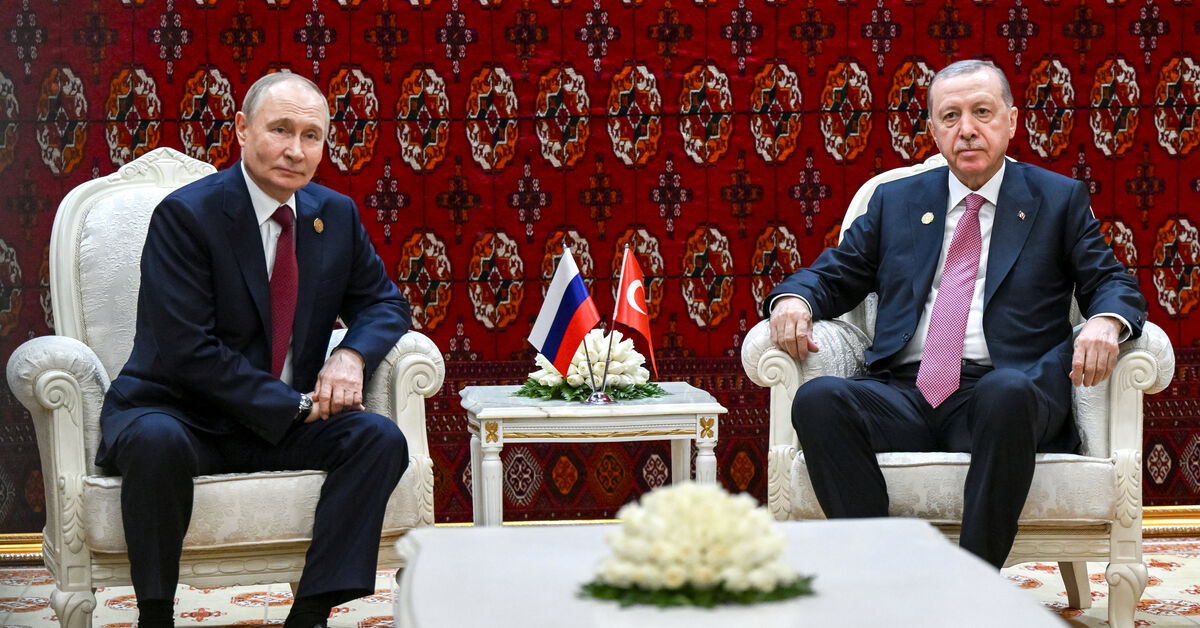
Russian President Vladimir Putin conducted a phone call with Turkish President Recep Tayyip Erdogan on Friday, during which they discussed the current situation in the Middle East. The Kremlin reported that the conversation was part of the coordination between the two countries to address the challenges facing the region.
This call comes at a time when the Middle East is experiencing heightened tensions, particularly due to the political and security crises affecting several countries. Both leaders emphasized the importance of cooperation between Russia and Turkey to ensure stability in the region.
Details of the Event
Both Russia and Turkey are seeking to strengthen their relations across various fields, including politics, security, and economics. In recent years, there has been a notable rapprochement between the two countries, despite some disagreements over specific issues such as the conflict in Syria. This phone call is part of ongoing efforts to enhance dialogue between Moscow and Ankara.
It is worth noting that Putin and Erdogan have met several times in the past, addressing numerous regional and international issues. This phone call reflects the leaders' commitment to work together to tackle the complex issues facing the region.
Background & Context
Historically, Russian-Turkish relations have been volatile, characterized by periods of cooperation and tension. However, recent events, including conflicts in Syria and Libya, have contributed to strengthening cooperation between the two nations. Both Russia and Turkey have shown a mutual interest in achieving stability in the region, reflecting a shift in regional dynamics.
There is also increasing international interest in monitoring the relations between Russia and Turkey, especially amid the current tensions in the Middle East. This cooperation is seen as part of a broader strategy aimed at achieving a balance of power in the region.
Impact & Consequences
This phone call could enhance cooperation between Russia and Turkey in multiple areas, including security and energy. Such cooperation may contribute to improving security conditions in the region, especially in light of the rising threats from extremist groups.
Furthermore, strengthening relations between Moscow and Ankara could impact the regional balance, potentially leading to a shift in the power dynamics in the Middle East. This may reflect on U.S. and Western policies towards the region, necessitating a reassessment of current strategies.
Regional Significance
The Russian-Turkish relations hold particular importance for Arab countries, as they can influence the situations in Syria, Libya, and Iraq. Given the current tensions, any improvement in relations between Russia and Turkey could contribute to achieving stability in these nations.
Moreover, cooperation between Russia and Turkey could open new avenues for Arab countries in economic and security collaboration. This phone call underscores the importance of dialogue and cooperation in addressing shared challenges.
In conclusion, the phone call between Putin and Erdogan reflects the leaders' commitment to collaborate in facing the challenges confronting the Middle East. These relations are expected to continue evolving, which could significantly impact the conditions in the region.