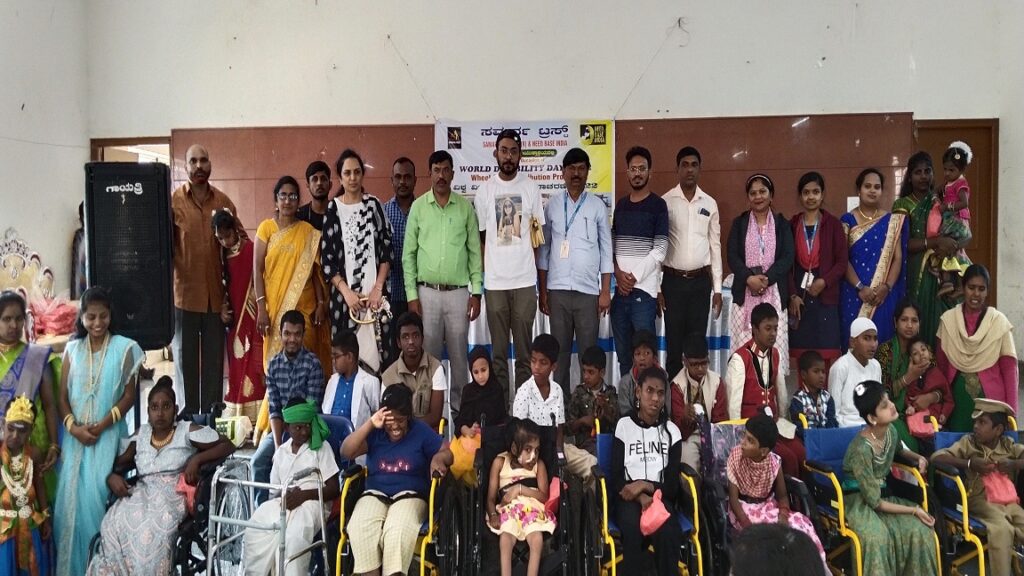
As part of its efforts to improve the quality of life for people with disabilities, the Social Affairs Department (Sudinsos) in South Jakarta distributed 33 wheelchairs to citizens who require these assistive devices. This initiative was carried out in the Kebayoran Lama area, where the wheelchairs were presented in an official ceremony attended by several local officials.
Bernard Tambunan, the head of the Social Affairs Department in South Jakarta, emphasized that this assistance aims to reduce the beneficiaries' reliance on others, making it easier for them to carry out their daily activities more comfortably and independently.
Event Details
The wheelchairs were distributed to beneficiaries from several neighborhoods, with Kebayoran Lama Utara receiving seven wheelchairs, Kebayoran Lama Selatan receiving nine wheelchairs, Grogol Selatan receiving two, Grogol Utara receiving six, Pondok Pinang receiving one, and Cipulir receiving eight wheelchairs.
Bernard urged citizens who need other assistive devices, such as wheelchairs or prosthetics, to approach the local government to submit their requests, facilitating the process of obtaining this assistance.
Background & Context
This initiative is part of the ongoing efforts by the Indonesian government to improve the lives of people with disabilities. Over the years, numerous programs and projects have been implemented aimed at promoting the rights of this segment of society, including providing assistive devices and improving access to public services.
It is noteworthy that Indonesia, like many other countries, faces significant challenges in the field of disability rights, necessitating further efforts from both the government and civil society to achieve equality and social justice.
Impact & Consequences
The distribution of wheelchairs has a significant positive impact on the lives of beneficiaries, as it enhances their independence and reduces their reliance on others. This type of support can improve their quality of life and increase their participation in society.
Furthermore, these initiatives reflect the Indonesian government's commitment to achieving sustainable development goals, particularly the goal related to promoting inclusivity and equality.
Regional Significance
These initiatives serve as a model for the Arab region, where many countries face similar challenges in the realm of disability rights. Arab nations can benefit from these experiences to enhance their policies and programs related to this demographic.
Enhancing the rights of people with disabilities in the Arab world requires collaboration between governments and civil society, contributing to improving the lives of millions of citizens.