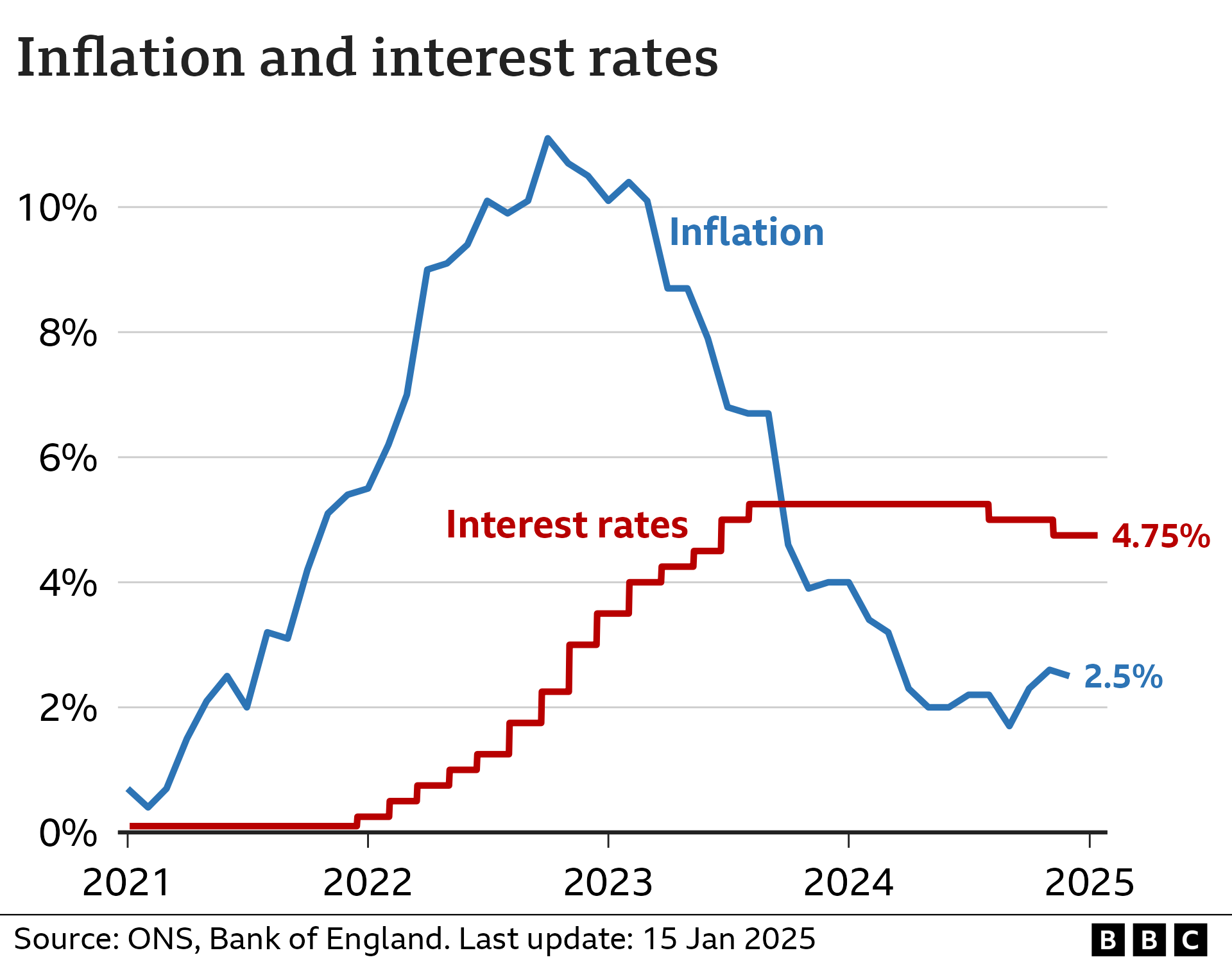
Following a rare unanimous vote in March to keep interest rates unchanged, the Bank of England is heading towards this month's Monetary Policy Committee (MPC) meeting amid diverging opinions on how to address rising inflation caused by soaring energy prices. Policymakers are facing new challenges regarding the effects of inflation on the British economy, raising questions about future monetary policies.
Reports indicate that some committee members prefer more aggressive actions to combat inflation, while others advocate for caution in taking any new steps. This divergence in opinions comes at a sensitive time, as the bank seeks to strike a balance between supporting economic growth and combating rising inflation.
Details of the Meeting
In the March meeting, all members agreed to keep interest rates unchanged, which is an unusual step given the current economic conditions. However, the challenges associated with high energy prices may prompt some members to reconsider their strategies. The upcoming meeting is expected to address how energy prices are impacting inflation and how the bank can respond to these changes.
Concerns are growing that the rise in energy prices witnessed in global markets could lead to a sustained increase in inflation, putting additional pressure on households and businesses. In this context, the Bank of England must make tough decisions regarding monetary policy, which may include raising interest rates in the future.
Background & Context
Historically, the United Kingdom has experienced economic fluctuations due to changes in energy prices, with past crises leading to high inflation rates. For instance, in the 1970s, the country faced high inflation due to rising oil prices, prompting stringent measures from the Bank of England. Today, the bank faces similar challenges but in a different context where factors such as the COVID-19 pandemic and the war in Ukraine intersect to affect the markets.
Energy prices are a fundamental part of the British economy, influencing production costs and the prices of goods and services. Therefore, any changes in energy prices can have widespread effects on the economy as a whole.
Impact & Consequences
If the Bank of England decides to raise interest rates, it could have significant implications for the British economy. This is likely to increase borrowing costs, which may negatively affect investments and economic growth. At the same time, raising interest rates could help curb inflation, contributing to long-term price stability.
Bank policymakers must also consider the reactions of financial markets and consumers to any changes in monetary policy. Instability in the markets could exacerbate the economic situation, making it essential to make well-considered decisions.
Regional Significance
Economic developments in the United Kingdom indirectly affect the Arab region, particularly concerning oil and energy prices. Rising energy prices in global markets could lead to increased revenues for Gulf countries, but at the same time, it may impact economic growth in energy-importing nations.
Moreover, any changes in the Bank of England's monetary policy could affect investment flows to the region, necessitating close monitoring by investors and decision-makers in Arab countries.
In light of the current economic challenges, the Bank of England stands at a crossroads. The current situation requires a delicate balance between supporting growth and combating inflation, making the upcoming Monetary Policy Committee meeting pivotal in determining future trends for the British economy.