On Wednesday, April 1, 2026, the US dollar experienced significant movements in global markets, rising against several major currencies. This change comes amid economic and political developments impacting financial markets.
The dollar's value is influenced by various factors, including economic data released from the United States, as well as geopolitical tensions that may affect investments. As inflation concerns persist, investors are seeking to protect their assets by investing in the greenback.
Event Details
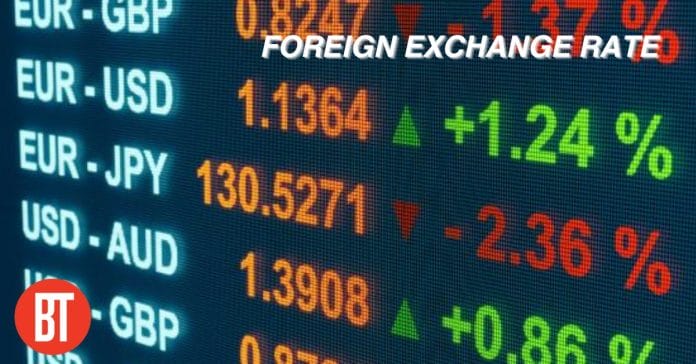
According to the latest updates, the US dollar recorded a rise of 0.5% against the euro, reaching 1.12 dollars per euro. It also increased against the British pound, reaching 1.30 dollars per pound. These increases come at a time when financial markets are experiencing notable volatility, which boosts demand for the dollar as a safe haven.
Conversely, some other currencies have declined, with the Japanese yen dropping 0.3% against the dollar, reflecting a decrease in confidence in Asian markets. Cryptocurrencies have also seen fluctuations, with the value of Bitcoin falling 2% in recent hours.
Background & Context
The US dollar is considered the most traded currency in the world, and its rise or fall significantly impacts the global economy. In recent years, the dollar has experienced substantial fluctuations due to the monetary policies adopted by the US Federal Reserve, aimed at controlling inflation and stimulating economic growth.
Historically, the value of the US dollar has been linked to various factors, including interest rates, economic growth, and geopolitical tensions. Currently, attention is focused on how the Federal Reserve will respond to the current economic challenges and how this will affect the dollar's value.
Impact & Consequences
The rise of the US dollar affects the global economy in multiple ways. On one hand, it can lead to increased costs for US exports, negatively impacting companies that rely on foreign markets. On the other hand, it can enhance the purchasing power of American consumers, potentially leading to increased domestic demand.
Additionally, a stronger dollar may affect emerging markets, as it could cause capital flows towards the United States, increasing pressure on local currencies. This situation could exacerbate economic crises in some countries that rely on foreign investments.
Regional Significance
The Arab region is among the most affected by fluctuations in the US dollar, as many countries depend on the dollar for their international trade. A rising dollar may lead to increased import costs, which could affect the prices of essential goods in local markets.
Moreover, the rise of the dollar may impact foreign investments in the region, as investors might shift towards more stable markets. This situation may require Arab governments to take measures to adapt to changes in the global market.
In conclusion, the US dollar remains a focal point in global markets, as its value continues to change amid evolving economic and political conditions. It is important to monitor upcoming developments to understand their impact on both the global and local economies.